

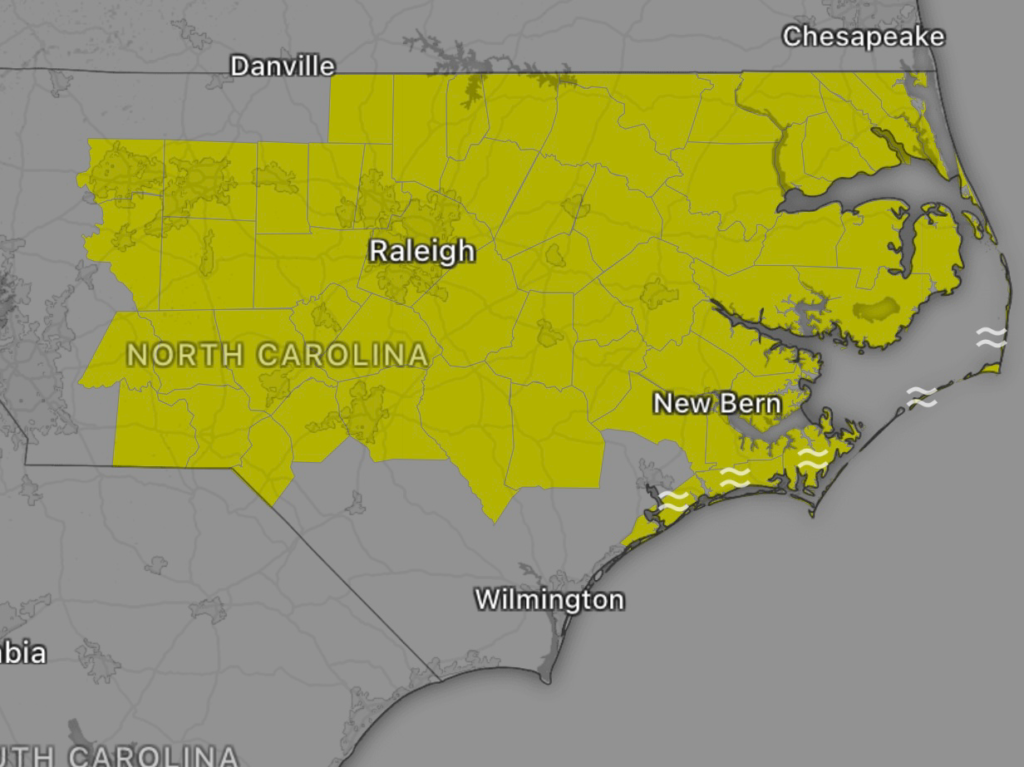
North Carolina Weather Update: Drought Conditions Fuel Elevated Fire Danger Across the State
North Carolina is facing a challenging combination of hot temperatures, below-average rainfall, and worsening drought conditions that continue to increase wildfire risks across much of the state. Residents, particularly in western and central North Carolina, are being urged to remain vigilant as fire danger levels remain elevated heading into the summer season.
According to recent drought assessments, more than 65% of North Carolina is currently experiencing extreme to exceptional drought conditions. Areas across the Piedmont Triad, foothills, and mountain regions have seen significant rainfall deficits, creating dry vegetation that can easily ignite and spread fire.
Fire Danger Remains Elevated
The North Carolina Forest Service continues to monitor wildfire activity statewide. As of June 15, preliminary reports indicated 34 wildfires burned more than 133 acres in a single day, while over 5,100 wildfires have been reported statewide since the beginning of 2026.
Fire weather experts warn that dry fuels, low humidity, and occasional gusty winds can rapidly increase wildfire potential. Earlier this year, portions of North Carolina experienced Red Flag Warnings due to conditions favorable for rapid wildfire growth. Similar weather patterns could return if drought conditions persist.
Current fire danger ratings across North Carolina forests vary by location, with some areas reporting moderate conditions while others, including portions of central North Carolina, have reached extreme fire danger classifications.
Areas of Greatest Concern
Regions currently facing the highest wildfire risk include:
- Western North Carolina Mountains
- Foothill Communities
- Piedmont Triad Region
- Portions of Central North Carolina
- Areas with ongoing drought stress and dry vegetation
Eastern North Carolina has also experienced elevated wildfire concerns despite occasional rainfall events. Officials note that a single round of rain is often not enough to significantly reduce wildfire threats when drought conditions remain entrenched.
Weather Pattern Outlook
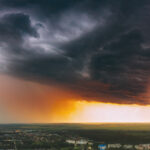
Forecasters expect periods of scattered thunderstorms across parts of North Carolina during the coming weeks. While rainfall may provide localized relief, uneven precipitation coverage means many communities could remain dry. Lightning associated with thunderstorms can also create additional wildfire ignition risks if rainfall is limited.
Fire Safety Tips for North Carolina Residents
Residents should take extra precautions during periods of elevated fire danger:
- Avoid outdoor burning whenever possible.
- Properly extinguish campfires before leaving.
- Never discard cigarettes on roadways or dry grass.
- Keep vehicles off dry vegetation.
- Maintain defensible space around homes.
- Monitor local burn restrictions and fire danger statements.
- Report smoke or fire immediately to local authorities.
Final Thoughts
While summer thunderstorms may bring some temporary relief, North Carolina’s ongoing drought remains a significant concern for both wildfire activity and water resources. With thousands of wildfires already reported this year and drought conditions expected to persist in some regions, residents should stay informed of local forecasts, fire danger ratings, and any burn restrictions issued by state and local officials.