
















Triple Earthquake Activity Rattles the South China Sea Near Catuday, Philippines
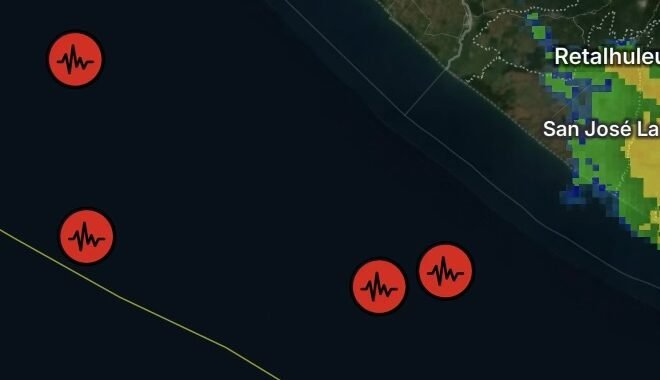
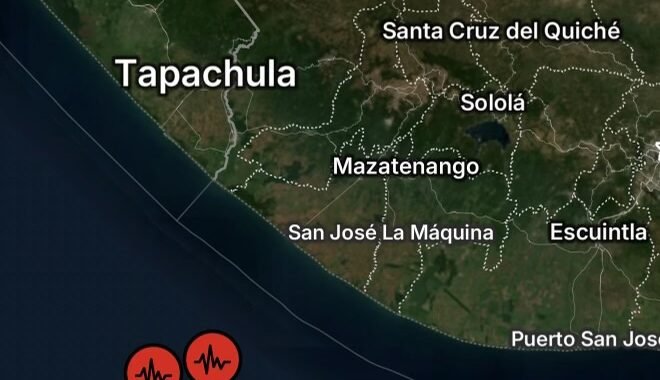
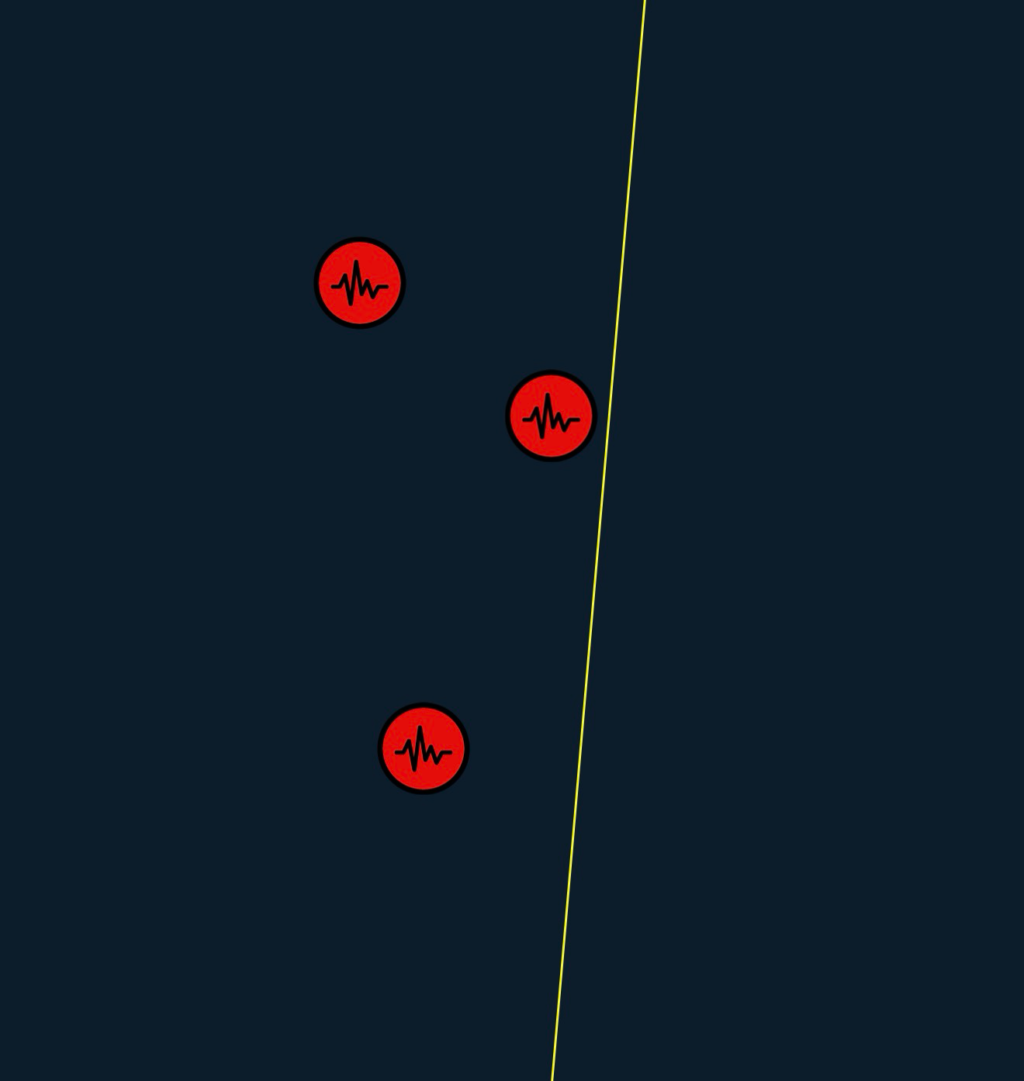
On June 28, 2026, a series of three notable earthquakes were recorded in the South China Sea region near Catuday, Philippines, drawing attention from seismic monitoring agencies and raising concerns about ongoing tectonic activity in the area. While no major damage reports have been confirmed at this time, the clustered nature of these events highlights the continued instability along this active seismic zone.
The earthquakes occurred within a short time window, indicating a localized swarm-type pattern rather than a single isolated seismic event. Such sequences are often associated with shifting stress along underwater fault systems common in the Philippine Sea Plate boundary region.
Seismic Activity Overview
According to seismic monitoring data, the region experienced three separate tremors on June 28, 2026. These events were centered offshore in the South China Sea, near the northern Philippine region of Luzon.
While magnitudes varied, each quake contributed to a noticeable pattern of repeated movement beneath the ocean floor. Earthquake swarms like this are not uncommon in tectonically active zones such as the Philippines, which lies along the Pacific Ring of Fire—one of the most seismically active regions in the world.
What This Means for the Region
Although the earthquakes did not appear to reach destructive levels, repeated seismic activity in a short timeframe can indicate:
- Ongoing adjustment along underwater fault lines
- Release of built-up tectonic stress
- Increased monitoring sensitivity in surrounding regions
- Potential for aftershock activity in the coming days
The Philippines regularly experiences seismic activity due to its position along converging tectonic plates, making continuous monitoring essential for coastal and island communities.
Regional Seismic Context
The waters surrounding northern Luzon and the South China Sea are known for frequent low-to-moderate magnitude earthquakes. These events are typically deep or offshore, reducing their impact on populated areas but still serving as important indicators of geological movement beneath the region.
Seismologists continue to analyze patterns in these clustered events to better understand whether they are part of a short-term swarm or a longer evolving seismic sequence.
Conclusion
The three earthquakes recorded near Catuday, Philippines on June 28, 2026, underscore the persistent seismic activity in the South China Sea region. While no immediate hazards have been reported, the clustering of events serves as a reminder of the dynamic and ever-changing nature of tectonic forces in the Pacific Ring of Fire.
Residents and monitoring agencies are encouraged to stay alert for updates as seismic activity continues to be observed in the region.