










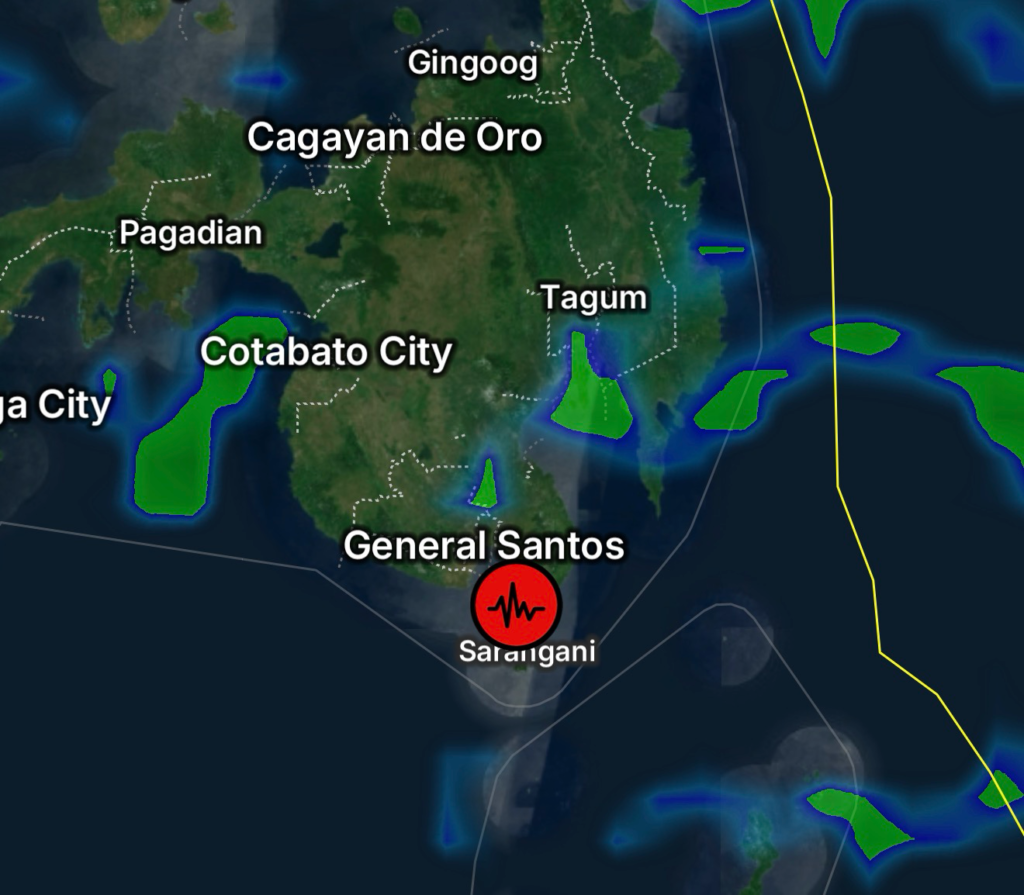
A notable offshore earthquake was recorded near Kiupo, Philippines on June 28, 2026, drawing attention once again to the country’s position within one of the most seismically active regions in the world. The event serves as a reminder of the constant geological forces shaping the area surrounding the western Pacific.
The Philippines, part of the Pacific Ring of Fire, experiences frequent earthquakes due to the complex interaction of multiple tectonic plates. These movements often occur beneath the ocean floor, which can generate seismic activity felt across nearby coastal communities.
Philippines sits along several major fault lines, making it highly susceptible to both minor tremors and stronger seismic events. Offshore earthquakes like the one near Kiupo are typically caused by subduction zones, where one tectonic plate is forced beneath another, releasing energy in the form of seismic waves.
While this recent earthquake did not immediately result in widely reported damage, offshore quakes are closely monitored due to the potential risks they may pose, including aftershocks and, in some cases, tsunami activity depending on magnitude and depth.
Residents in coastal areas are encouraged to remain aware of official updates from geological monitoring agencies. Even moderate earthquakes can be felt across large distances, especially when occurring beneath the sea.
Earthquake Safety Tips
- Drop, cover, and hold on during shaking
- Stay away from windows and heavy objects
- If near the coast, move to higher ground if advised
- Keep emergency kits with water, food, and flashlights ready
- Monitor official seismic alerts and follow evacuation orders if issued
Earthquake activity near Kiupo reinforces the importance of preparedness in regions located along active fault zones. Ongoing monitoring continues to provide critical data for understanding seismic behavior and improving early warning systems across the Philippines and surrounding waters.
Earthquake Preparedness Essentials & Safety Guide
Being prepared before an earthquake occurs can make a significant difference in protecting yourself and your family. Keep essential emergency supplies in an easily accessible location and review your emergency plan regularly. Having the right equipment on hand can help you remain safe and self-sufficient during power outages, disrupted communications, or temporary service interruptions following an earthquake.
Earthquake Preparedness Essentials
- Emergency Survival Kit (Shop Emergency Survival Kits)
- Drinking water (at least one gallon per person per day for several days)
- Non-perishable food and a manual can opener
- First aid kit and essential medications
- Flashlight with extra batteries
- NOAA Weather Radio or battery-powered emergency radio
- Portable power bank for charging mobile devices
- Multi-tool or emergency tool kit
- Emergency blankets or sleeping bags
- Dust masks, work gloves, and protective goggles
- Whistle for signaling for help
- Personal hygiene and sanitation supplies
- Important documents stored in a waterproof container
- Cash in small bills
- Pet food and emergency supplies for pets, if applicable
Earthquake Safety Tips
- Before an earthquake: Secure heavy furniture, appliances, and televisions to walls. Know safe places in every room, such as under a sturdy table or desk.
- During an earthquake: Drop, Cover, and Hold On. Stay away from windows, mirrors, and heavy objects that could fall. If outdoors, move to an open area away from buildings, trees, and power lines.
- After an earthquake: Check yourself and others for injuries, inspect your home for hazards such as gas leaks or structural damage, and be prepared for aftershocks. Follow instructions from local emergency officials and avoid damaged buildings until they have been declared safe.
Affiliate Disclosure: As an Amazon Associate, Radar Watch HQ earns from qualifying purchases. If you purchase through our recommended links, we may receive a small commission at no additional cost to you. Your support helps us continue providing weather alerts, preparedness resources, and emergency safety information.