



Wind Advisory in Effect for San Diego County Deserts
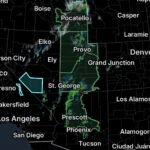
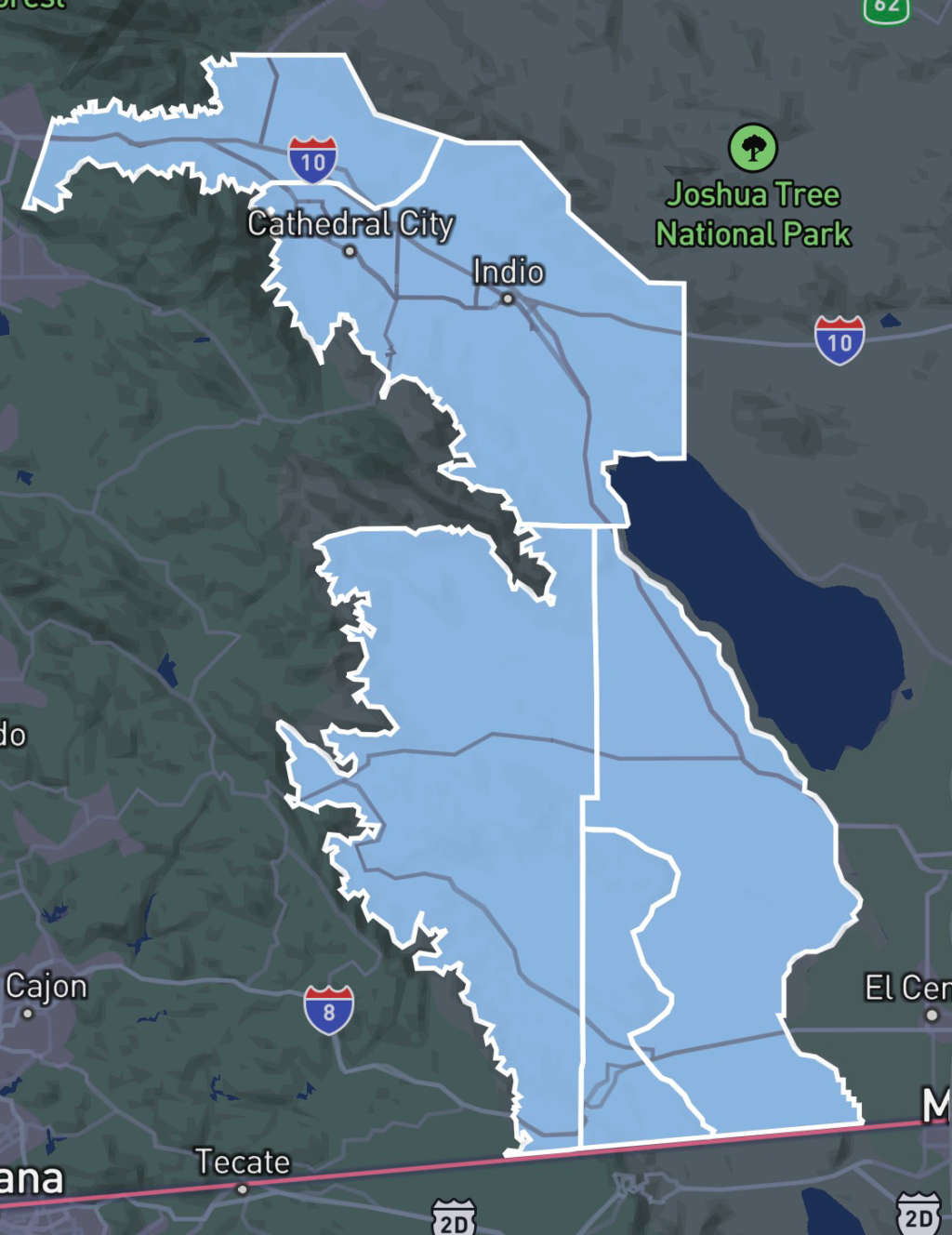
A Wind Advisory has been issued across the San Diego County Deserts, including areas such as Borrego Springs, due to strengthening west winds producing hazardous gusty conditions.
According to the National Weather Service, winds are expected to reach 20 to 35 mph with gusts up to 60 mph, especially during peak daytime and evening hours. These conditions are strong enough to create travel hazards, blowing dust, and scattered power disruptions.
The advisory is expected to continue through late Sunday, with the strongest winds occurring during afternoon and evening hours when desert terrain enhances wind acceleration.
Current Wind Conditions in the San Diego County Deserts
The wind pattern affecting the region is driven by a tightening pressure gradient across Southern California, funneling strong westerly winds through desert corridors and mountain passes.
Key impacted zones include:
- Borrego Springs and surrounding desert basins
- Desert mountain slopes
- Pass areas where winds intensify due to terrain funneling
Wind speeds in some locations may approach or exceed localized gusts of 60 mph, especially in exposed areas.
Impacts of the Wind Advisory
1. Blowing Dust and Reduced Visibility
Desert soils are highly sensitive to wind events. Strong gusts can lift dust into the air, causing:
- Reduced visibility on highways
- Dangerous driving conditions
- Sudden dust plumes in open desert roads
2. Travel Hazards
High-profile vehicles such as RVs, trucks, and trailers may experience difficulty maintaining control.
Motorists should expect:
- Sudden crosswinds on open highways
- Difficulty navigating desert passes
- Increased braking distance requirements
3. Power Interruptions
Gusty winds may bring down tree limbs or impact utility lines, resulting in:
- Localized power outages
- Flickering or temporary disruptions in service
4. Fire Weather Concerns
While not always the primary hazard, strong dry winds in desert regions can rapidly increase wildfire risk when combined with low humidity and dry vegetation.
Why the San Diego Deserts Are Prone to Strong Winds
The desert regions of Southern California are especially vulnerable to wind events due to:
- Channeling effects through mountain passes
- Large temperature differences between inland deserts and coastal zones
- Dry air masses that move quickly across open terrain
These conditions often amplify wind speeds compared to surrounding regions.
Safety Tips During a Wind Advisory
If you are in or traveling through the San Diego County Deserts, follow these safety guidelines:
For Drivers:
- Keep both hands on the wheel
- Reduce speed on open roads
- Avoid driving high-profile vehicles if possible
- Watch for sudden dust storms
For Home & Property:
- Secure outdoor furniture and loose objects
- Park vehicles away from trees or unstable structures
- Close windows and secure doors
For Outdoor Activity:
- Avoid hiking or desert camping in exposed areas
- Be prepared for sudden wind shifts
- Stay updated with local weather alerts
When Will the Winds Ease?
Wind conditions are expected to gradually weaken after the advisory period ends late Sunday. However, localized gusts may continue in higher terrain and desert passes until the pressure gradient fully relaxes.
Final Thoughts
The current Wind Advisory for the San Diego County Deserts highlights the importance of preparedness in fast-changing desert weather conditions. Strong gusts, blowing dust, and travel hazards can develop quickly, making situational awareness essential.
Stay informed through official weather updates and avoid unnecessary travel during peak wind periods.
Essential Wind Advisory Preparedness Items
The following items are recommended to help ensure safety, comfort, and emergency readiness during high-wind conditions:
Emergency Safety Essentials
- Battery-powered flashlight or lantern
- Extra batteries (AA/AAA/Rechargeable packs)
- Portable phone charger / power bank
- Battery-operated NOAA weather radio
- First aid kit (fully stocked and accessible)
Home & Property Protection
- Heavy-duty duct tape and tarps (for temporary securing needs)
- Sandbags or weighted objects (to stabilize outdoor items)
- Bungee cords, rope, and tie-down straps
- Window insulation film or protective coverings
- Surge protectors for electronics
Power Outage Preparedness
- Backup generator (if available and safely operated outdoors only)
- Extension cords rated for outdoor use
- Coolers for food preservation
- Non-perishable food supply (3–5 days recommended)
- Bottled drinking water (1 gallon per person per day minimum)
Personal Safety & Comfort
- Warm clothing layers or wind-resistant jackets
- Gloves and protective eyewear (for debris protection if outside)
- N95 mask or face covering (for dust and airborne particles)
- Blankets or emergency thermal blankets
- Prescription medications (minimum 7-day backup supply)
Vehicle Emergency Kit
- Jumper cables
- Reflective warning triangles or road flares
- Tire repair kit and portable air pump
- Emergency roadside kit
- Full fuel tank before wind event intensifies