





Heat Advisory in Effect for Birmingham, Huntsville, and Montgomery Alabama: Dangerous Heat Builds Across the Region
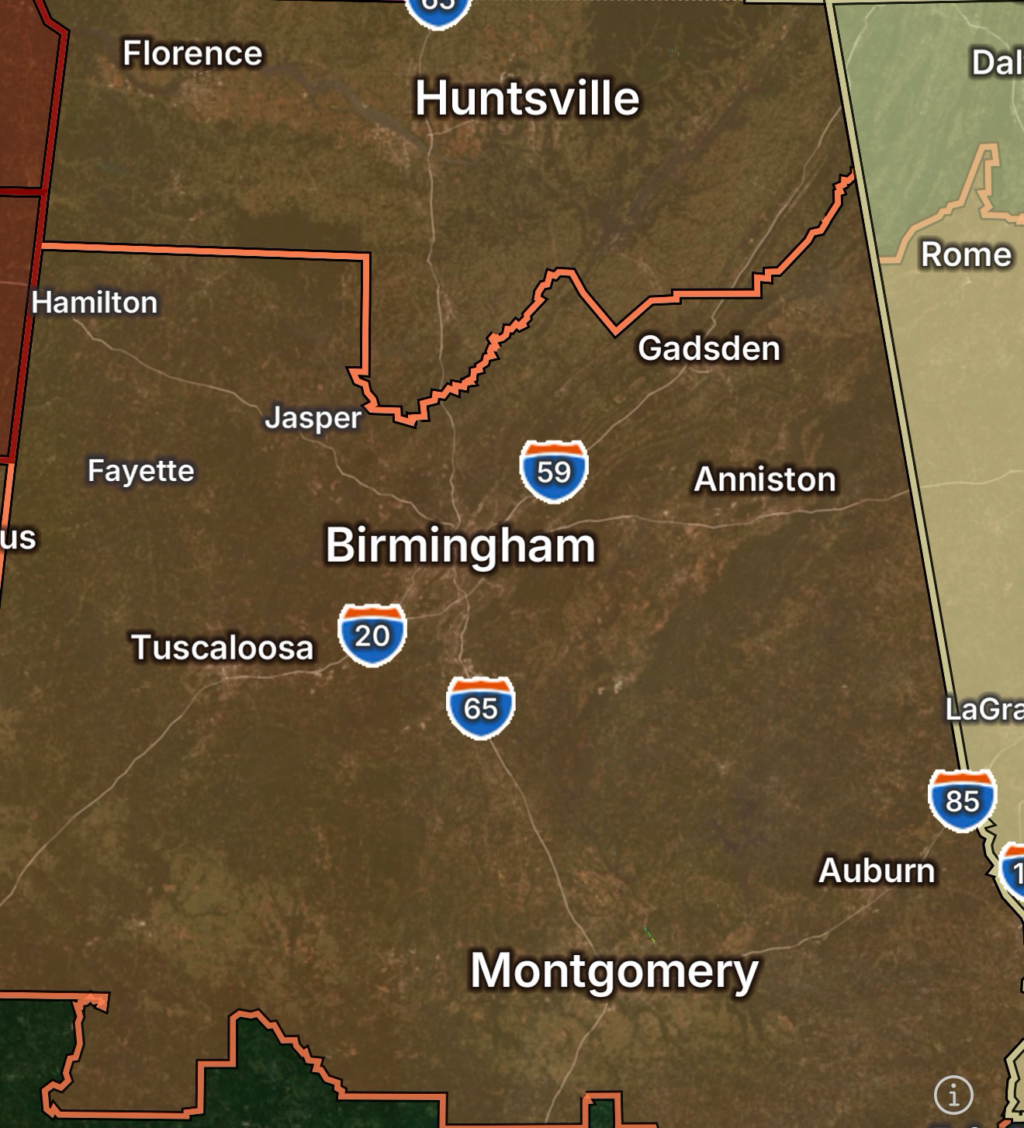
A Heat Advisory is currently impacting major portions of central and northern Alabama, including Birmingham, Huntsville, and Montgomery, as a surge of heat and humidity pushes conditions into potentially dangerous territory.
Meteorologists warn that the combination of high temperatures and elevated moisture levels will produce oppressive heat index values, increasing the risk of heat-related illness for those exposed to outdoor conditions.
Heat Advisory Conditions Across Alabama
The ongoing weather pattern is driven by a strong area of high pressure settling over the Southeast, trapping warm, humid air across the region and limiting overnight cooling.
Across the advisory area, conditions include:
- Heat index values ranging from 100°F to 106°F
- Limited nighttime relief from heat and humidity
- Persistent warm air mass across Alabama
The most intense conditions are expected during afternoon and early evening hours, when both temperature and humidity peak.
Regional Impact Breakdown
Huntsville and North Alabama
North Alabama, including Huntsville, is expected to experience some of the most intense heat conditions in the state.
- Heat index values potentially exceeding 105°F to 106°F
- Prolonged exposure risk during midday hours
- High humidity limiting natural cooling overnight
Birmingham Metro and Central Alabama
In Birmingham and surrounding communities:
- Afternoon highs in the low to mid-90s
- Heat index values near or above 100°F
- Increased strain on outdoor activity and transportation
Urban areas may experience enhanced heat retention due to pavement and building density.
Montgomery and South-Central Alabama
Montgomery is also under significant heat stress conditions:
- High humidity contributing to elevated heat index readings
- Afternoon values approaching advisory thresholds
- Reduced air circulation in stagnant conditions
Health Risks Associated With the Heat Advisory
Prolonged exposure to these conditions can lead to heat-related illnesses, particularly for vulnerable populations.
Potential health impacts include:
- Heat exhaustion
- Heat cramps
- Dehydration
- Dizziness and fatigue
- Heat stroke in severe cases
Outdoor workers, elderly individuals, and those without access to cooling are at the highest risk.
Why This Heat Wave Is Concerning
Heat advisories are issued when conditions become dangerous due to the combination of temperature and humidity, not just heat alone.
When heat index values rise above 100°F:
- The body struggles to regulate temperature efficiently
- Sweating becomes less effective for cooling
- Risk of rapid overheating increases
This creates hazardous conditions even for healthy individuals during prolonged outdoor exposure.
Travel and Daily Life Impacts
Residents across Birmingham, Huntsville, and Montgomery may also experience:
- Hot vehicle interiors reaching unsafe levels quickly
- Increased energy demand due to air conditioning usage
- Reduced outdoor work efficiency and scheduling delays
- Limited comfort during late-day outdoor activities
Outlook for Alabama
The Heat Advisory may persist for multiple days as the high-pressure system remains in place. Meteorologists will continue monitoring for potential upgrades if heat index values increase further.
Residents are encouraged to stay alert to updated forecasts and any additional advisories issued by local National Weather Service offices.
Heat Preparedness Essentials & Safety Statement
Extreme heat conditions can rapidly become hazardous when high temperatures combine with humidity, increasing the risk of heat exhaustion, dehydration, and heat stroke. Proper preparedness is essential to reduce exposure risks and support personal safety during heat advisories and prolonged hot weather events.
Heat Preparedness Essentials
- Reusable water bottles or hydration containers
- Electrolyte drinks or hydration tablets
- Portable battery-powered fan or cooling device
- Cooling towels or instant cold packs
- Sunscreen (SPF 30 or higher) for outdoor exposure
- Lightweight, breathable, light-colored clothing
- Wide-brim hat and UV-protective sunglasses
- Emergency water supply for home and vehicle use
- Phone power bank or backup charging device
- Basic first aid kit with heat-related illness supplies
Safety Statement
During periods of extreme heat, individuals should prioritize hydration, limit prolonged outdoor exposure, and seek air-conditioned or shaded environments whenever possible. Vulnerable populations, including children, elderly individuals, and those with pre-existing health conditions, are at increased risk and should take additional precautions. Heat conditions can escalate quickly, and awareness combined with proper preparedness is critical to reducing heat-related health impacts.