

Dangerous Fire Weather and Heat Grip Colorado, Utah, and New Mexico
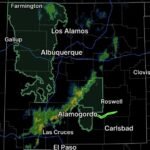
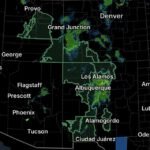
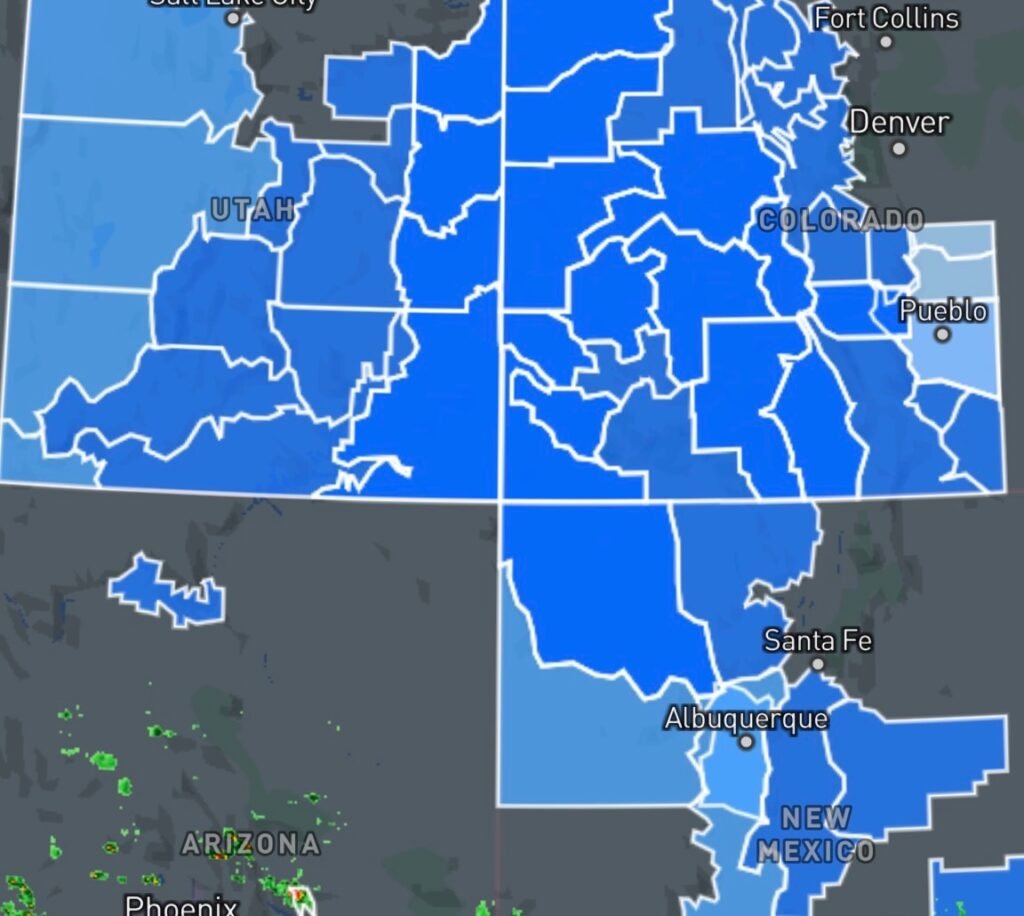
Residents across portions of Colorado, Utah, and New Mexico are facing a dangerous combination of extreme heat, low humidity, gusty winds, and critically dry vegetation as the National Weather Service continues to issue Red Flag Warnings, Fire Weather Watches, and Heat Advisories throughout the region. These weather conditions significantly increase the risk of rapidly spreading wildfires and create hazardous outdoor conditions for anyone working or recreating outside.
Why Fire Danger Is So High
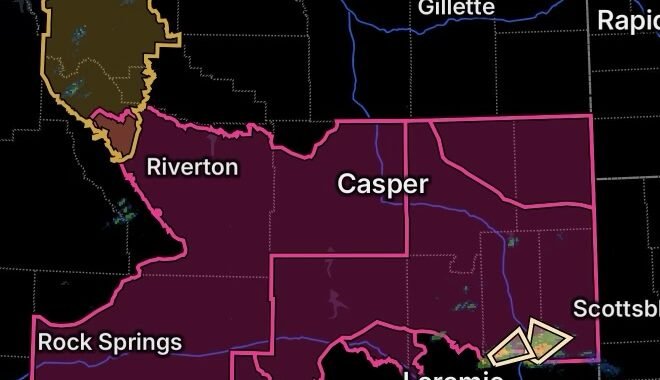
A Red Flag Warning is issued when weather conditions are favorable for wildfires to ignite and spread quickly. Strong winds, very low humidity levels, and dry fuels combine to create an environment where even a small spark can lead to a fast-moving wildfire. (weather.gov)
Current warnings issued by the National Weather Service Grand Junction office cover portions of western Colorado and eastern Utah, where afternoon humidity values are expected to fall between 7 and 12 percent while wind gusts may reach 40 mph. Fire officials warn that any new fire starts could spread rapidly under these conditions. (National Weather Service)
Fire Weather Watch Signals Continued Threat
In addition to ongoing Red Flag Warnings, Fire Weather Watches remain in effect for several areas. A Fire Weather Watch means critical fire weather conditions are expected to develop within the next 12 to 72 hours and may be upgraded to a Red Flag Warning if confidence increases. (Pacific Crest Trail Association)
Forecasters indicate that dry fuels, gusty winds, and hot temperatures will continue to create elevated wildfire concerns through the middle of the week across much of the Four Corners region. (National Weather Service)
Heat Advisories Add Another Layer of Concern
Alongside the fire weather threat, portions of Colorado, Utah, and New Mexico are experiencing above-average temperatures. Prolonged heat increases the likelihood of heat-related illnesses while also drying out vegetation even further, creating ideal conditions for wildfire development and rapid spread. (The Guardian)
The combination of extreme heat and low humidity can quickly lead to dehydration, heat exhaustion, and heat stroke, especially for those spending extended periods outdoors.
What Residents Should Do
Officials recommend taking the following precautions:
- Avoid outdoor burning and activities that may create sparks.
- Secure trailer chains to prevent dragging and sparking.
- Properly dispose of cigarettes and smoking materials.
- Stay hydrated and limit strenuous outdoor activities during peak afternoon heat.
- Follow local burn bans and fire restrictions.
- Monitor the latest forecasts and emergency alerts from local authorities.
- Have an evacuation plan ready if you live in a wildfire-prone area.
Looking Ahead
The wildfire season across the Southwest is entering a critical period as drought conditions, low humidity, and recurring heat episodes continue to impact the region. Forecasters expect elevated fire danger to remain a concern throughout much of the week, with additional Red Flag Warnings and Fire Weather Watches possible as weather patterns evolve. (National Weather Service)
Residents across Colorado, Utah, and New Mexico should remain weather aware, avoid activities that could spark a wildfire, and closely monitor updates from the National Weather Service and local emergency management officials.