



Arizona Weather Update: Dust Advisories, Flash Flood Warnings, and Power Outages Impact the State
Monsoon Season Brings Multiple Weather Hazards
Arizona residents are experiencing a mix of dangerous weather conditions as the 2026 monsoon season begins to ramp up. The combination of intense heat, developing thunderstorms, and strong outflow winds has prompted weather alerts across portions of the state, including dust advisories, flash flood warnings, and reports of power outages.
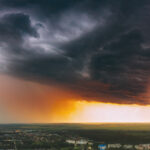
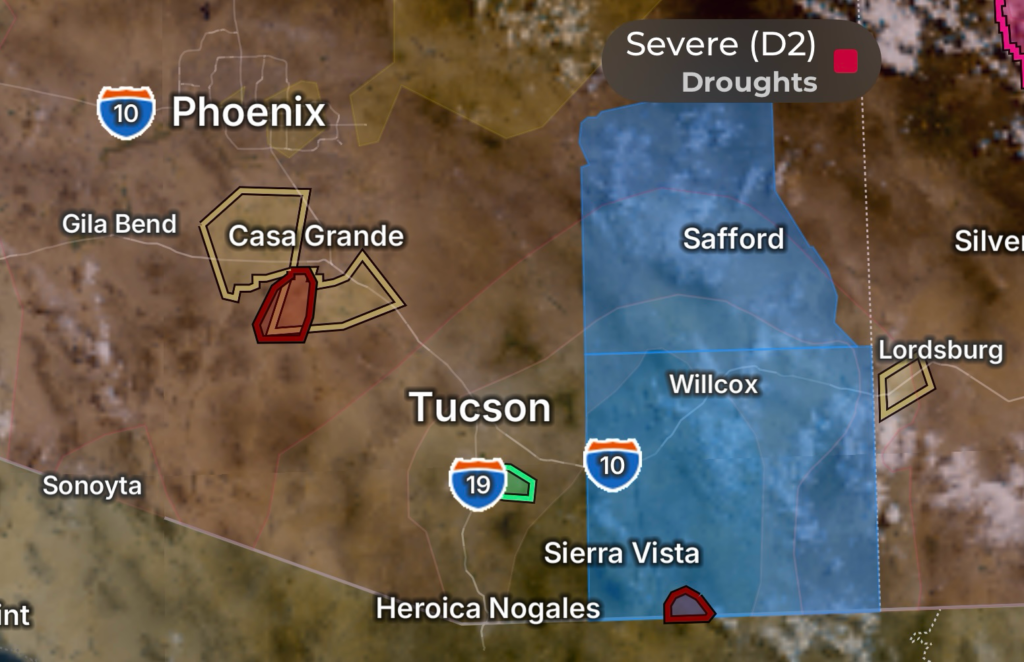
Meteorologists continue to monitor storm development across central and southern Arizona, where isolated thunderstorms are capable of producing heavy rainfall, damaging wind gusts, blowing dust, frequent lightning, and localized flooding.
Dust Advisories and Reduced Visibility
One of the most significant threats during Arizona’s monsoon season is the development of dust storms, commonly known as haboobs. These massive walls of dust can rapidly reduce visibility to near zero, creating extremely dangerous travel conditions on highways and interstates. Recent forecasts indicate that strong thunderstorm outflows may generate blowing dust across portions of the Phoenix metropolitan area and surrounding desert regions. (FOX 10 Phoenix)
The National Weather Service warns that dust storms can arrive with little notice and may be accompanied by wind gusts exceeding 40 mph. Drivers are urged to follow the “Pull Aside, Stay Alive” safety procedure when encountering dense dust. (National Weather Service)
Flash Flood Warnings in Effect
While many areas remain under extreme heat, thunderstorms developing over Arizona’s higher terrain are producing heavy downpours capable of triggering flash flooding. A recent flash flood warning was issued for portions of central Arizona, including areas near the Sierra Ancha Wilderness and State Route 288 south of Young. Additional thunderstorms have been reported near Wickenburg, Bartlett Lake, and surrounding mountain communities. (FOX 10 Phoenix)
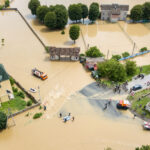
Flash flooding remains one of Arizona’s deadliest weather hazards because dry washes and normally calm waterways can fill rapidly during heavy rainfall. Emergency officials continue to urge residents to avoid flooded roadways and never attempt to drive through standing water. (National Weather Service)
Power Outages Possible During Strong Storms
Strong winds, lightning strikes, and downed power lines remain a concern as storms move across the state. Historically, monsoon thunderstorms have caused widespread power outages throughout Arizona, particularly in the Phoenix and Tucson metropolitan areas. Similar weather setups have resulted in customers losing power as severe winds damaged utility infrastructure. (Digital Journal)
Utility crews remain prepared for storm-related outages, but residents should have emergency supplies available, including flashlights, backup batteries, portable chargers, and sufficient drinking water in case power disruptions occur during periods of extreme heat.
Current Weather Outlook
Temperatures across much of Arizona remain well above normal, with Phoenix reaching near 112 degrees while isolated storms continue to develop across mountainous regions. Forecasters expect additional thunderstorm activity through midweek before drier conditions begin to return later in the week. Strong outflow winds, blowing dust, lightning, and localized heavy rainfall remain the primary threats. (FOX 10 Phoenix)
Safety Tips for Arizona Residents
- Monitor local weather alerts throughout the day.
- Avoid driving into flooded roadways or washes.
- Pull completely off the roadway if caught in a dust storm.
- Stay indoors during lightning-producing thunderstorms.
- Keep emergency supplies and charged devices ready.
- Stay hydrated and limit outdoor activities during extreme heat.
- Report downed power lines and stay at least 20 feet away from them. (Mesa)
Final Thoughts
Arizona’s monsoon season is beginning to showcase its full range of weather hazards. Dust storms, flash flooding, dangerous lightning, strong winds, and power outages can develop quickly and create life-threatening situations. Residents are encouraged to remain weather aware, follow all National Weather Service warnings, and be prepared to act when conditions deteriorate.
As the season progresses, additional rounds of thunderstorms are expected across the state, making preparedness and situational awareness critical for keeping families safe.