


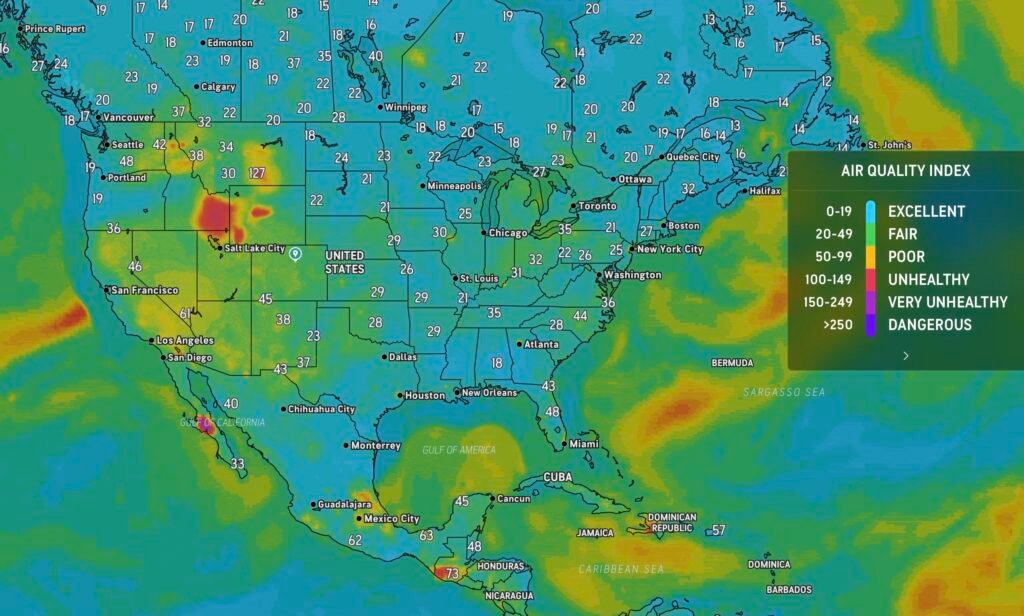
Air Quality Index Map Update: June 16, 2026
Air Quality Across the United States: What the AQI Map Shows Today
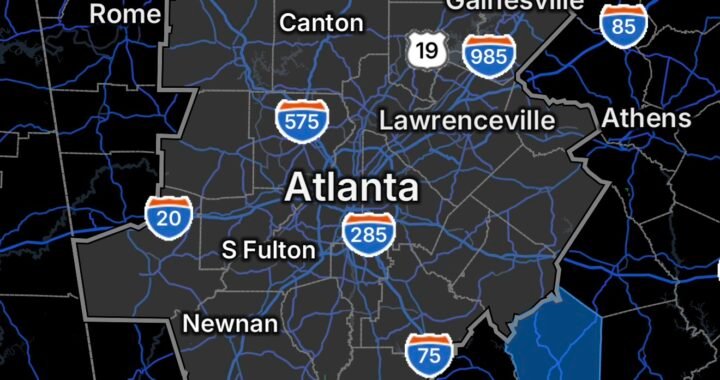
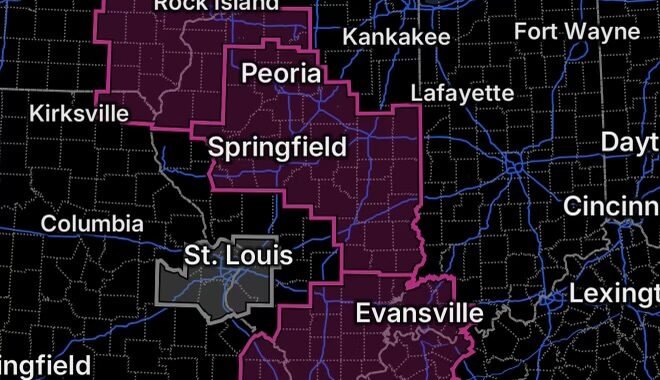
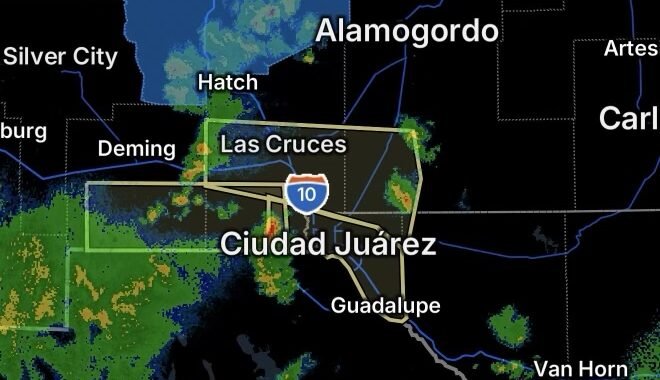
As of June 16, 2026, the Air Quality Index (AQI) map continues to highlight areas of concern across portions of the United States as wildfire smoke, stagnant air masses, ozone pollution, and seasonal heat combine to impact air quality levels.
The AQI is a valuable tool that helps residents understand how clean or polluted the air is and what potential health effects may occur. The index ranges from Good (Green) to Hazardous (Maroon), providing a simple way to assess outdoor air conditions before heading outside.
Current Air Quality Trends
Several factors are influencing air quality across the country today:
- Elevated ozone levels in urban and suburban regions due to summer heat.
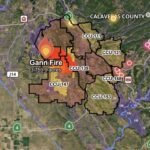
- Smoke transport from ongoing wildfire activity affecting portions of the West and central United States.
- Hazy conditions developing in areas experiencing stagnant weather patterns.
- Increased particulate matter concentrations in locations impacted by dust, smoke, and pollution.
Understanding AQI Categories
Good (0-50)
Air quality is satisfactory, and air pollution poses little or no risk.
Moderate (51-100)
Air quality is acceptable; however, unusually sensitive individuals may experience minor respiratory symptoms.
Unhealthy for Sensitive Groups (101-150)
Children, older adults, and individuals with heart or lung conditions should limit prolonged outdoor activity.
Unhealthy (151-200)
Everyone may begin to experience health effects, while sensitive groups could face more serious impacts.
Very Unhealthy (201-300)
Health alerts are issued, and everyone should avoid prolonged outdoor exposure.
Hazardous (301+)
Emergency conditions exist, and the entire population is likely to be affected.
Health and Safety Recommendations
Residents in areas experiencing reduced air quality should:
- Monitor local AQI forecasts regularly.
- Reduce strenuous outdoor activities when air quality deteriorates.
- Keep windows and doors closed during smoke events.
- Use air purifiers when available.
- Wear a properly fitted N95 mask if outdoor exposure is necessary during periods of heavy smoke.
- Check on vulnerable family members, including children, seniors, and individuals with respiratory conditions.
Looking Ahead
Meteorologists will continue monitoring wildfire activity, weather patterns, and pollution levels that may influence air quality throughout the week. Changes in wind direction, rainfall, and temperature can significantly improve or worsen local air conditions.
The AQI map remains one of the most important tools for tracking environmental conditions and protecting public health. Residents are encouraged to stay informed and adjust outdoor plans accordingly when air quality levels become elevated.