














5.1 Magnitude Earthquake Near Sardinal, Costa Rica: Does It Relate to Tropical Storm Cristina?
A magnitude 5.1 earthquake struck near Sardinal, Guanacaste, Costa Rica on June 9–10, 2026. Preliminary reports indicate the quake occurred offshore or near the Pacific coast and was felt across portions of northwestern Costa Rica.
Are the Earthquake and Cristina Connected?
The short answer is no, not directly.
Earthquakes are caused by movement along faults and tectonic plate boundaries. Costa Rica sits near the interaction of the Cocos Plate, Caribbean Plate, and Panama Microplate, making earthquakes common throughout the region.
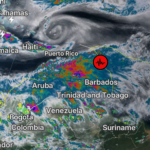
Tropical Storm Cristina, on the other hand, is a weather system driven by ocean temperatures, atmospheric moisture, and wind patterns. Hurricanes and tropical storms do not cause earthquakes.
So Why Are Meteorologists Watching Both?
While Cristina did not trigger the earthquake, the two hazards can combine to increase impacts.
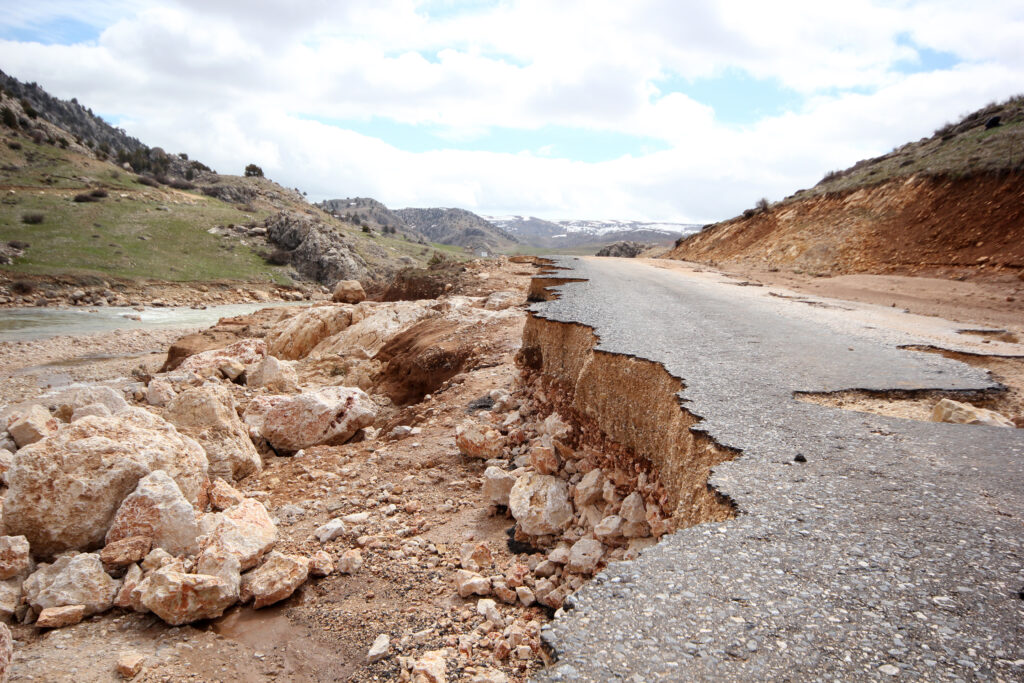
Research in Costa Rica has shown that earthquakes can weaken slopes and hillsides, while later tropical rainfall can trigger landslides and mudslides in those same areas. A documented example occurred after a 2016 Costa Rican earthquake, when heavy rains from Hurricane Otto later contributed to slope failures and debris flows.
Potential Concerns If Heavy Rain Arrives
- Earthquake-shaken terrain can become less stable.
- Saturated soils are more prone to landslides.
- Mountain roads may face rockfalls.
- Rivers can rise rapidly if tropical moisture increases.
- Flooding and landslide risks often occur together during the rainy season.
What This Means During Hurricane Season
Costa Rica enters hurricane season facing multiple natural hazards at once:
- Tropical storms and heavy rainfall
- Flash flooding
- Landslides
- Earthquakes
- Volcanic activity
Costa Rica is considered one of Central America’s most hazard-prone countries because both tectonic and tropical weather threats occur regularly.
Radar Watch HQ Takeaway
The 5.1 earthquake near Sardinal is most likely a routine tectonic event for Costa Rica’s active seismic region and is not evidence that Cristina is strengthening or causing earthquakes. However, if Cristina or its moisture plume brings heavy rain to Costa Rica in the coming days, emergency managers will be watching for secondary impacts such as landslides, flooding, and rockfalls in areas affected by the quake.