


Flash Flood Emergencies Across the United States: What You Need to Know and How to Stay Safe
Dangerous Flooding Threat Expands Across Multiple Regions
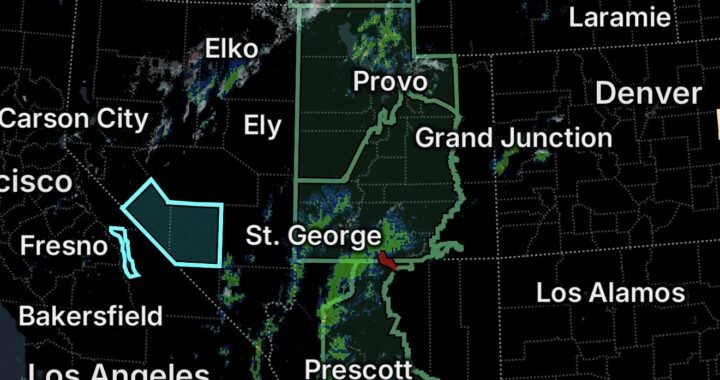
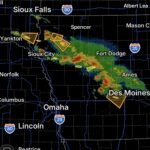
Communities across the United States are facing an elevated risk of dangerous flash flooding as heavy rainfall, tropical moisture, and slow-moving storm systems continue to impact several states. Recent weather patterns have produced widespread flood watches, flash flood warnings, and even flash flood emergencies in parts of the country.
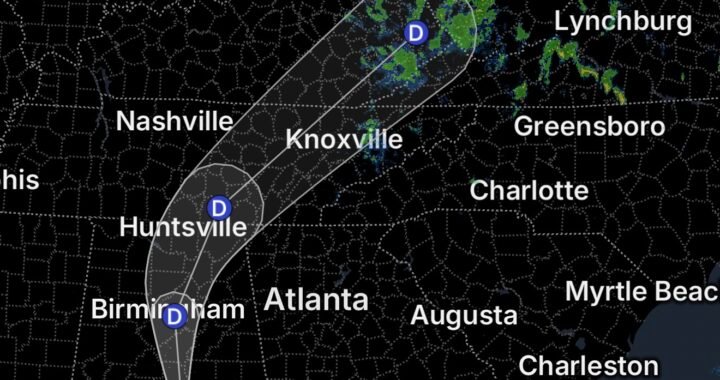
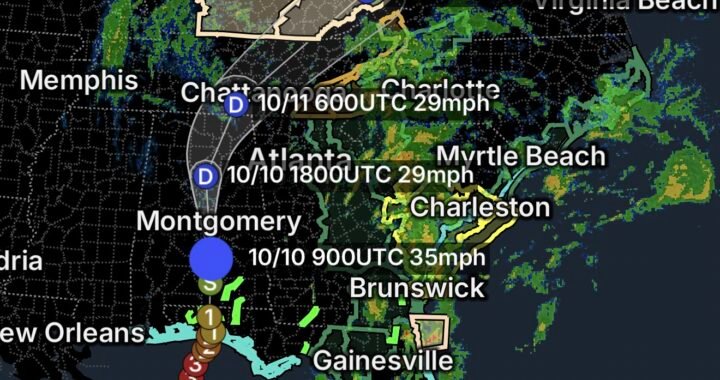
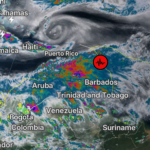
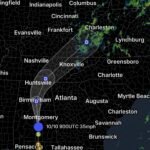
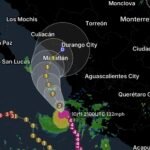
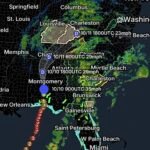
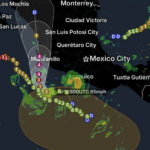
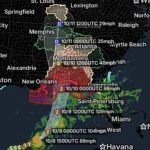
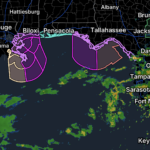
The threat is especially concerning across portions of the Gulf Coast, Southeast, and areas affected by the remnants of Tropical Storm Arthur, where repeated rounds of heavy rainfall have saturated the ground and increased runoff into rivers, streams, and urban drainage systems. Some locations could receive several inches of rain in only a few hours, creating life-threatening conditions. (New York Post)
What Is a Flash Flood Emergency?
A Flash Flood Emergency is the highest level of flash flood alert issued by the National Weather Service.
This alert means:
- Catastrophic flooding is occurring or about to occur.
- Significant threats to life and property exist.
- Water is rising rapidly.
- Emergency rescues and evacuations may already be underway.
- Immediate action is required to protect yourself and your family.
Flash Flood Emergencies are exceedingly rare and are reserved for the most dangerous flooding situations. (National Weather Service)
Why Flash Flooding Is So Dangerous
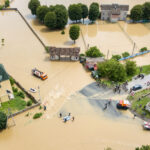
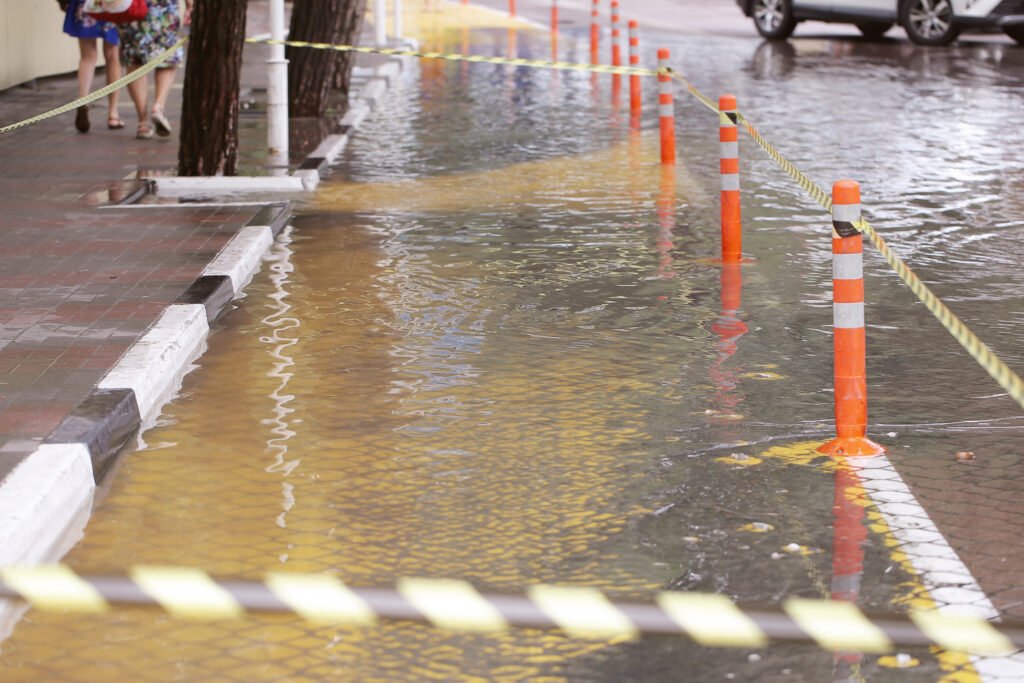
Flash floods can develop within minutes after intense rainfall. Unlike river flooding that develops over days, flash floods can strike with little warning.
Common dangers include:
- Vehicles swept away by moving water.
- Roads and bridges becoming impassable.
- Rapidly rising creeks and streams.
- Flooded homes and businesses.
- Hidden debris, sinkholes, and washed-out roadways.
- Power outages and infrastructure damage.
Many flood-related deaths occur when people attempt to drive through flooded roadways. Even a small amount of moving water can carry away a vehicle. (National Weather Service)
Flood Terminology You Should Know
Flood Watch
Conditions are favorable for flooding. Stay alert and monitor forecasts. Prepare to act if conditions worsen. (National Weather Service)
Flash Flood Warning
Flash flooding is occurring or expected shortly. Move to higher ground immediately and avoid flood-prone areas. (National Weather Service)
Flash Flood Emergency
Catastrophic flooding is occurring with a severe threat to human life. Immediate action is required. (National Weather Service)
Safety Actions to Take Right Now
1. Stay Weather Aware
Monitor alerts from the National Weather Service, local emergency management agencies, NOAA Weather Radio, and trusted weather apps.
2. Move to Higher Ground
If flooding threatens your area, immediately relocate to higher ground. Do not wait until roads become impassable. (National Weather Service)
3. Never Drive Through Floodwaters
Remember the National Weather Service slogan:
“Turn Around, Don’t Drown.”
If you encounter a flooded roadway, find an alternate route. Floodwaters can hide washed-out pavement and strong currents. (National Weather Service)
4. Have Multiple Ways to Receive Alerts
Wireless Emergency Alerts, weather radios, and smartphone notifications can provide critical warnings during overnight flooding events. (Chron)
5. Prepare an Emergency Kit
Include:
- Flashlights
- Batteries
- Bottled water
- Non-perishable food
- Important documents
- Medications
- Phone chargers
6. Avoid Flooded Areas
Stay away from creeks, rivers, drainage ditches, and low-water crossings. Water levels can rise unexpectedly and become deadly within minutes. (National Weather Service)
Looking Ahead
With tropical moisture continuing to move across portions of the South and Southeast, additional flooding concerns may develop through the coming days. Areas that have already received significant rainfall are especially vulnerable because saturated soil cannot absorb much additional water. Residents in flood-prone locations should remain vigilant and be prepared to act quickly if warnings are issued. (New York Post)
Final Thoughts
Flash Flood Emergencies are not routine weather alerts. They signal a potentially catastrophic and life-threatening situation that demands immediate action. If a Flash Flood Emergency is issued for your area, move to higher ground, avoid flooded roadways, and follow instructions from local officials.
When it comes to flash flooding, every minute matters. Staying informed and acting early can save lives.