











Heat Wave 2026: Health Risks, Safety Tips, and How to Stay Safe During Extreme Heat
As the summer of 2026 continues, millions of Americans are experiencing dangerous heat waves that are bringing prolonged periods of excessive heat, high humidity, and life-threatening conditions. Heat waves are among the deadliest weather events in the United States, often causing more weather-related fatalities than floods, hurricanes, or tornadoes. Extreme heat can affect anyone, but certain groups face a significantly higher risk of serious illness.
What Is a Heat Wave?
A heat wave is a prolonged period of abnormally hot weather that may be accompanied by high humidity. These events can last several days or even weeks and place tremendous stress on the human body, infrastructure, power grids, and agriculture.
Health officials warn that extreme heat can become especially dangerous when overnight temperatures remain elevated, preventing the body from recovering from daytime heat exposure. (CDC Tracking Network)
Health Risks During a Heat Wave
When temperatures soar, the body’s natural cooling system can become overwhelmed. This can lead to several heat-related illnesses:
Heat Cramps
- Painful muscle cramps
- Heavy sweating
- Fatigue after physical activity
Heat Exhaustion
Symptoms include:
- Heavy sweating
- Headache
- Dizziness
- Weakness
- Nausea
- Increased thirst
- Elevated body temperature
Without treatment, heat exhaustion can quickly progress to heat stroke. (CDC)
Heat Stroke (Medical Emergency)
Heat stroke is the most severe heat-related illness and requires immediate emergency medical attention.
Warning signs include:
- Body temperature above 103°F
- Confusion or altered mental state
- Rapid pulse
- Hot, red skin
- Loss of consciousness
Heat stroke can cause permanent disability or death if not treated immediately. (CDC)
Who Is Most At Risk?
Certain groups are more vulnerable to extreme heat, including:
- Older adults (65+)
- Infants and young children
- Pregnant women
- Outdoor workers
- Individuals with heart disease or respiratory conditions
- People without access to air conditioning
- Pets left outdoors for extended periods
Older adults are especially susceptible because their bodies may not adjust to temperature changes as effectively. (CDC)
How to Stay Safe During the Heat Wave
Stay Hydrated
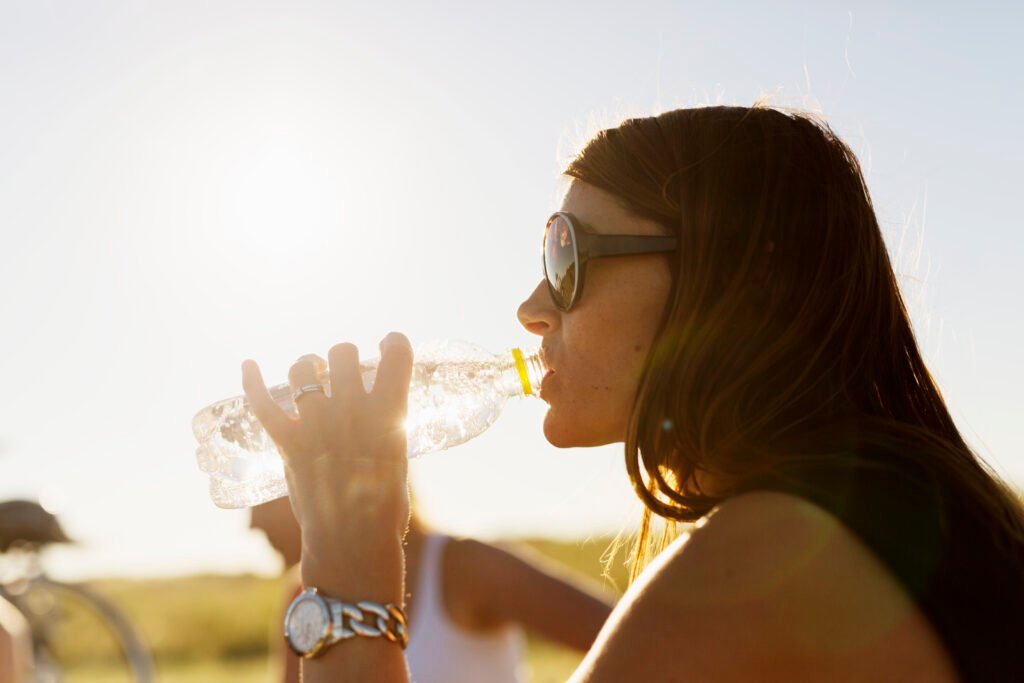
Drink water frequently, even if you do not feel thirsty. Avoid excessive alcohol and sugary beverages, which can contribute to dehydration. (CDC)
Seek Air Conditioning
Spend as much time as possible in air-conditioned buildings. If your home does not have air conditioning, consider visiting:
- Libraries
- Shopping centers
- Community cooling centers
- Public buildings
Even a few hours in a cool environment can reduce heat-related health risks. (CDC)
Limit Outdoor Activities
Avoid strenuous activity during the hottest part of the day, generally between late morning and early evening. Schedule outdoor work for early morning or after sunset whenever possible. (Ready.gov)
Wear Appropriate Clothing
Choose:
- Loose-fitting clothing
- Lightweight fabrics
- Light-colored garments
- Wide-brimmed hats
- Sunscreen with SPF protection
These measures help reduce heat absorption and protect against sunburn. (CDC)
Check on Family and Neighbors
Regularly check on:
- Elderly relatives
- Neighbors living alone
- Individuals with chronic health conditions
A simple phone call or visit can save a life during extreme heat events. (CDC)
Never Leave Children or Pets in Vehicles
Temperatures inside a parked vehicle can rise to deadly levels within minutes, even with windows partially open. (CDC)
Heat Safety for Outdoor Workers
Construction workers, landscapers, utility crews, and agricultural workers face increased risk during heat waves.
Safety recommendations include:
- Frequent water breaks
- Rest periods in shaded areas
- Monitoring coworkers for signs of heat illness
- Gradually acclimating to hot conditions
- Wearing breathable clothing
Heat stress can develop rapidly, especially during periods of high humidity. (CDC)
Final Thoughts
The Heat Wave of 2026 serves as a reminder that extreme heat is a serious weather hazard that demands preparation and awareness. Staying hydrated, seeking cool environments, limiting outdoor exposure, and recognizing the warning signs of heat-related illness can help protect you and your family.
As temperatures continue to climb across parts of the United States this summer, remember that heat safety is everyone’s responsibility. Stay informed, stay cool, and take action before heat-related illness occurs.