

How Hurricane Season Is Impacting Weather Patterns Across the United States
Although the 2026 Atlantic Hurricane Season is currently forecast to be near- to below-average compared to recent years, tropical activity continues to play a major role in shaping weather patterns across North America. Tropical systems influence rainfall distribution, temperature patterns, humidity levels, and even severe weather outbreaks far inland. (NOAA)
The Atmosphere Is Already Feeling Tropical Influences
Hurricane season officially runs from June 1 through November 30. Even before major hurricanes make landfall, tropical moisture streaming northward from the Gulf of Mexico, Caribbean Sea, and Atlantic Ocean can significantly alter weather conditions across the southern and eastern United States.
This moisture often fuels:
- Heavy rainfall events
- Flash flooding
- Increased thunderstorm activity
- Elevated humidity levels
- Enhanced severe weather potential
Recent flooding concerns across portions of Texas and the Gulf Coast demonstrate how tropical moisture can create significant weather impacts without a named storm directly affecting an area.
El Niño Is Changing the Hurricane Picture
One of the biggest weather stories of 2026 is the development of El Niño conditions in the Pacific Ocean. NOAA recently confirmed that El Niño has emerged and is expected to strengthen throughout the coming months. (NOAA)
El Niño typically increases upper-level winds across the tropical Atlantic, creating stronger wind shear that can disrupt developing hurricanes and reduce overall Atlantic tropical activity. (AOML)
While fewer storms may develop overall, it only takes one landfalling hurricane to produce catastrophic impacts.
Why Tropical Systems Affect Areas Far From The Coast
Many people associate hurricanes strictly with coastal communities, but tropical systems often influence weather hundreds of miles inland.
As tropical moisture interacts with:
- Cold fronts
- Jet stream disturbances
- Upper-level troughs
- Summer heat domes
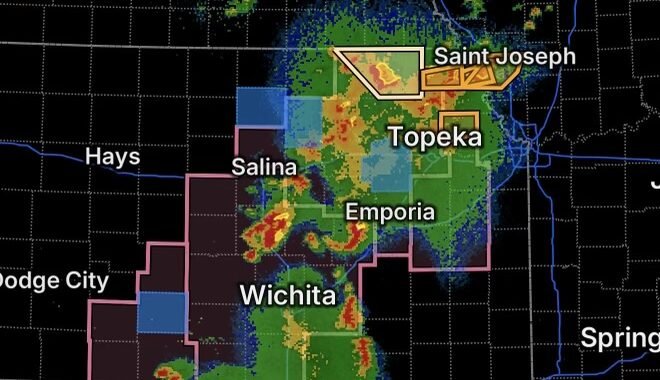
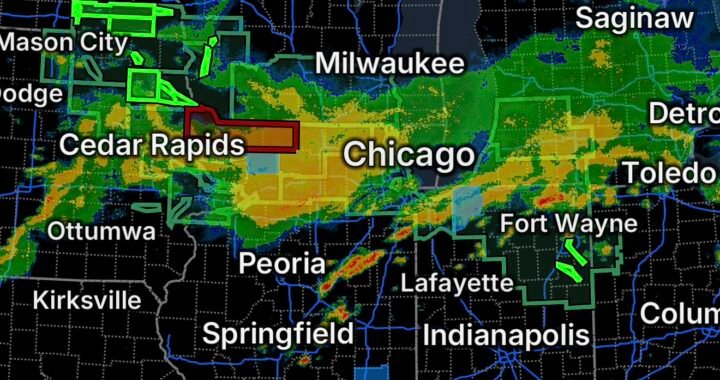
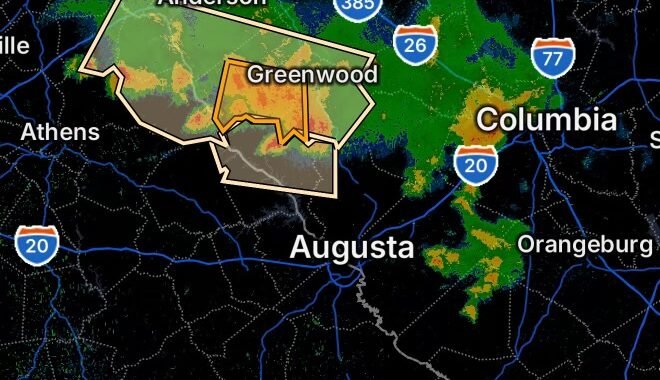
The result can be widespread heavy rainfall, flooding events, and severe thunderstorms extending well beyond the immediate path of a storm.
States throughout the Midwest, Tennessee Valley, Ohio Valley, and Northeast frequently experience tropical rainfall impacts even when hurricanes remain along the Gulf or Atlantic coasts.
Hurricanes Can Break Heat Waves
Tropical systems can also influence temperature patterns.
When hurricanes or tropical storms move inland, they often:
- Increase cloud cover
- Produce widespread rainfall
- Lower daytime temperatures
- Reduce extreme heat temporarily
However, once storms move away, heat and humidity often return quickly, creating a cycle of fluctuating weather conditions during the summer months.
Warmer Oceans Mean More Energy
Ocean temperatures remain a critical factor during hurricane season. Warm ocean waters provide fuel for tropical development and can contribute to rapid intensification when atmospheric conditions become favorable. Climate researchers continue to monitor how warming ocean temperatures may influence hurricane intensity, rainfall rates, and storm surge risks. (climatecentral.org)
Even in years with fewer tropical storms, warmer waters can still support powerful hurricanes capable of producing significant impacts.
What To Watch Through Peak Hurricane Season
The most active part of Atlantic hurricane season typically occurs from August through October. During this period, forecasters will closely monitor:
- Tropical Atlantic development zones
- Gulf of Mexico sea-surface temperatures
- Caribbean disturbances
- El Niño strength
- Long-range steering patterns
These factors will help determine where tropical systems may develop and which regions face the greatest threat of impacts later this season.
Bottom Line
Hurricane season affects far more than coastal communities. Tropical moisture, shifting atmospheric patterns, and developing ocean conditions are already influencing weather across the United States. From flooding rains in the South to changes in summer heat patterns and severe weather outbreaks inland, hurricane season remains one of the most important drivers of America’s weather during the summer and fall months.
As the 2026 season continues, residents across the Gulf Coast, Southeast, Mid-Atlantic, and even inland states should remain weather-aware and prepared for rapidly changing conditions.