

Recent Drought Conditions Across the United States: How June Thunderstorms Are Changing the Picture
Published: June 14, 2026
After months of widespread drought concerns across large portions of the United States, recent rounds of thunderstorms and increased moisture have begun providing relief in some regions. However, the benefits have been uneven, and many drought-stricken areas continue to face significant challenges heading into the heart of summer.
Current Drought Situation
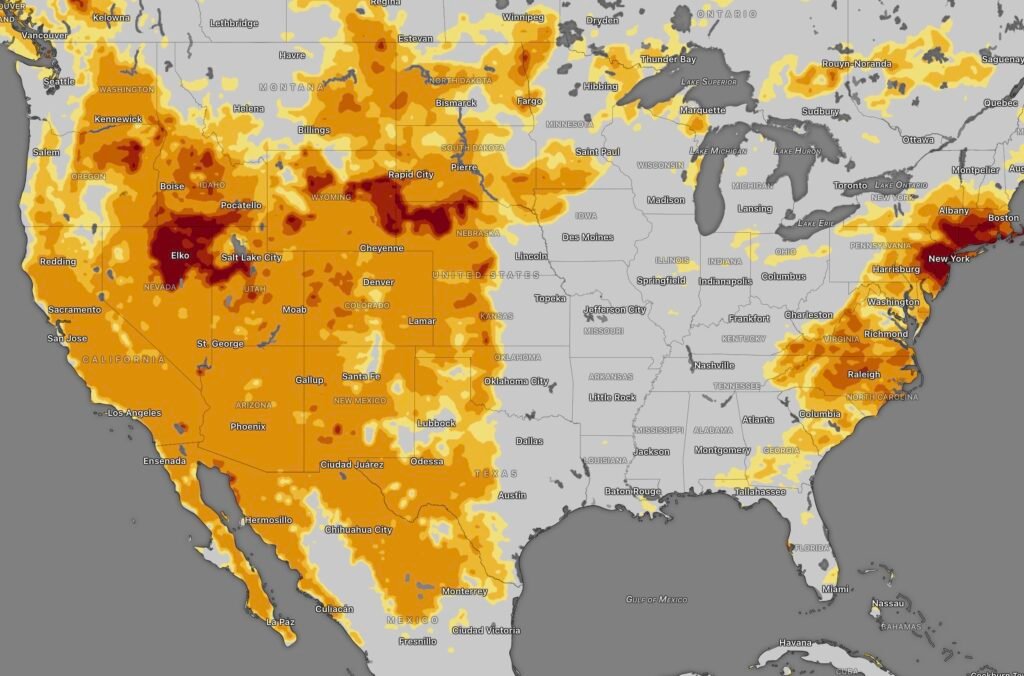
According to the latest U.S. drought data, nearly 47% of the United States remains in some level of drought as of early June 2026. While this represents a slight improvement from previous weeks, severe to extreme drought conditions continue across portions of the Plains, Southwest, Southeast, and Mid-Atlantic regions. (Drought.gov)
States experiencing some of the most significant drought impacts include:
- North Carolina
- Virginia
- Florida
- Arkansas
- Oklahoma
- Nebraska
- Colorado
- New Mexico
- Utah
- Wyoming
Several areas have reported declining reservoir levels, stressed agriculture, elevated wildfire risk, and water restrictions as drought conditions persist. (CBS 6 News Richmond WTVR)
How Recent Thunderstorms Have Helped
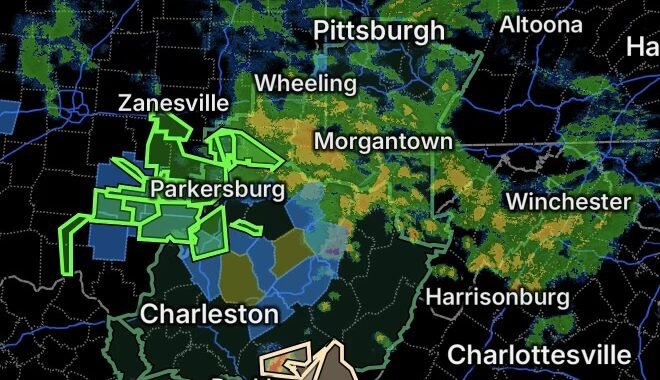
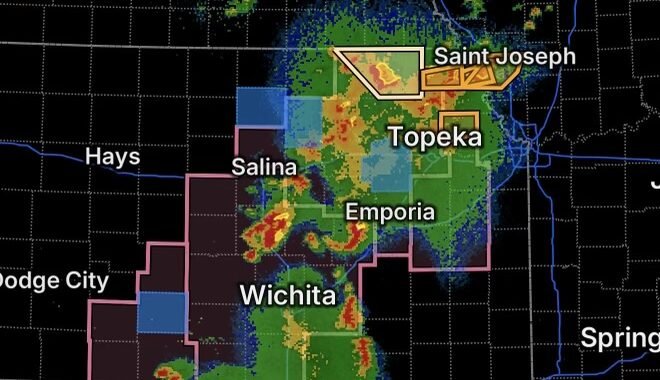
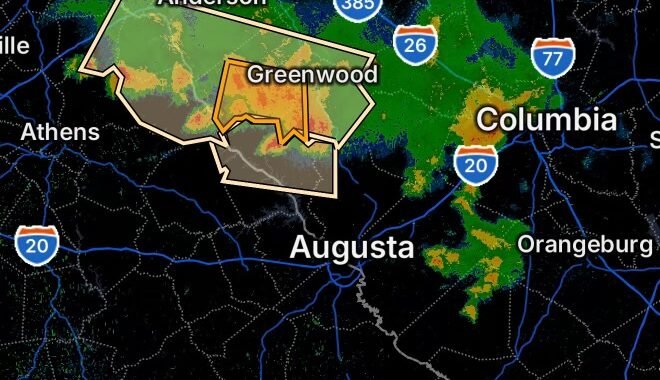
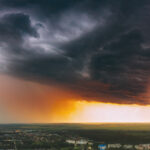
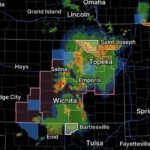
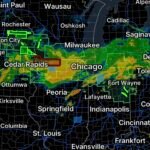
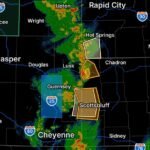
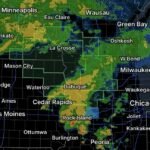
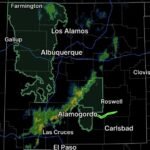
Throughout late May and early June, numerous thunderstorm complexes developed across the Southern Plains, Midwest, and parts of the South. These storms delivered periods of heavy rainfall, helping improve soil moisture and replenish some local water supplies. (Drought.gov)
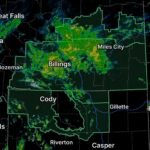
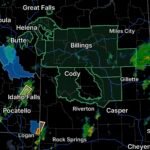
In portions of Texas, Oklahoma, Kansas, and Montana, recent rainfall has contributed to measurable drought improvement. Some reservoirs and lakes that had been running well below normal have seen water levels rise following multiple storm systems. (San Antonio Express-News)
The increase in moisture has also:
- Improved short-term soil conditions for crops.
- Reduced wildfire danger in select areas.
- Increased streamflow and groundwater recharge.
- Helped cool temperatures during periods of excessive heat.
The Challenge: Thunderstorms Are Hit-or-Miss
While thunderstorms can deliver significant rainfall, they are often highly localized. One community may receive several inches of rain while neighboring counties remain dry.
This “hit-or-miss” pattern has become a defining feature of the current drought situation. Areas that benefited from repeated storms have seen conditions improve, while locations that missed the rainfall continue to experience worsening drought. (Coyote Gulch)
The Southeast remains a prime example. Despite scattered thunderstorms, parts of North Carolina and Virginia continue to experience severe drought, with some communities facing ongoing water restrictions and historically low rainfall totals for 2026. (Axios)
Soil Moisture Recovery Underway
One of the most encouraging signs is the gradual improvement in soil moisture across areas receiving frequent rainfall.
When thunderstorms deliver slow-moving, soaking rains, water can infiltrate deeper into the ground rather than simply running off. This helps replenish moisture reserves that crops, vegetation, and ecosystems depend upon during the hottest months of the year.
However, experts caution that drought recovery takes time. Multiple weeks or even months of above-normal precipitation are often required to fully eliminate long-term drought impacts. (Drought.gov)
Looking Ahead
Forecast outlooks suggest some drought improvement may continue across portions of the Southern Plains and Northern Rockies where additional rainfall is expected. Meanwhile, drought is forecast to persist in parts of the Southwest, Mid-Atlantic, and portions of the Southeast. (Climate Prediction Center)
As summer heat intensifies, evaporation rates will increase, placing additional stress on already dry regions. The combination of high temperatures and limited rainfall could quickly reverse recent gains if storm activity decreases.
Final Thoughts
Recent thunderstorms have provided much-needed relief to parts of the United States, demonstrating how powerful moisture-rich weather systems can help combat drought conditions. While some regions are seeing encouraging improvements in soil moisture and water supplies, drought remains a major concern nationwide.
As we move deeper into summer, the balance between rainfall and heat will determine whether drought conditions continue to improve—or once again begin expanding across vulnerable areas.
Stay with Radar Watch HQ for the latest drought updates, severe weather alerts, and climate impacts across the United States.