


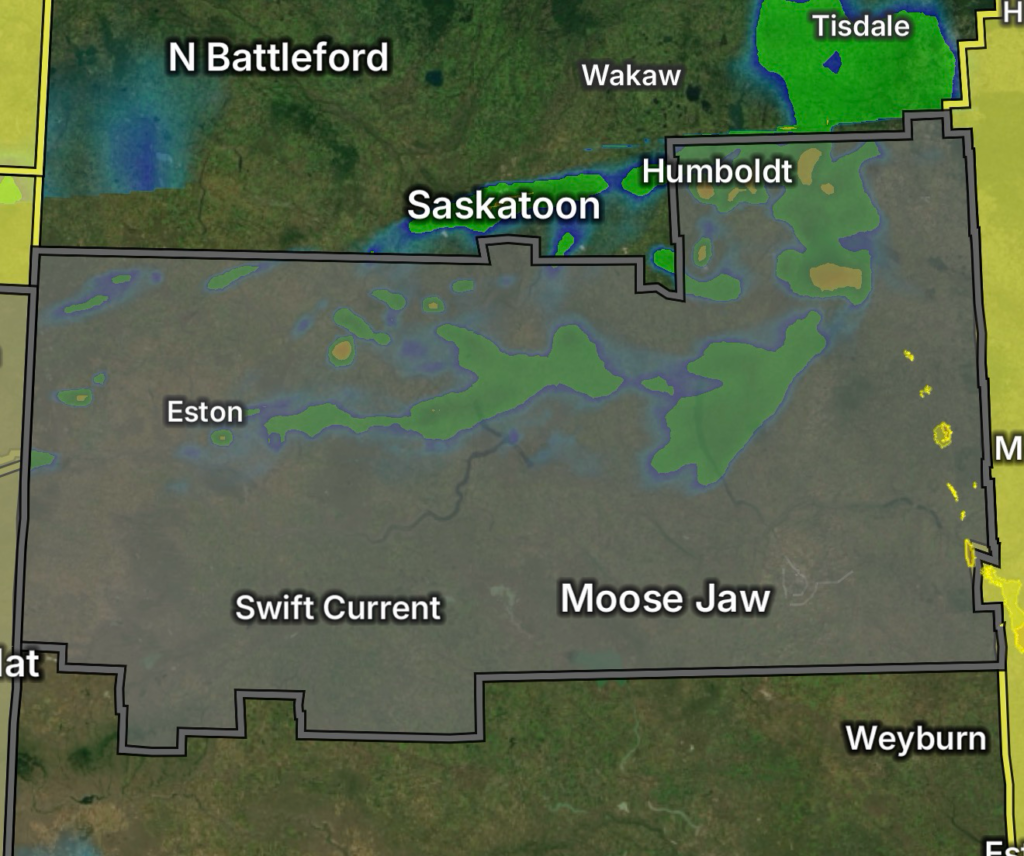
A Special Weather Statement has been issued for parts of Saskatchewan, affecting communities across both southwestern and central regions. This type of advisory typically signals changing or uncertain weather conditions that may lead to periods of precipitation, temperature swings, wind shifts, or reduced visibility.
Communities included in this developing weather pattern include:
- Swift Current
- Moose Jaw
- Eston
- Humboldt
Residents are encouraged to stay alert as conditions may evolve quickly depending on atmospheric development across the Prairies.
What a Special Weather Statement Means
A Special Weather Statement is issued when weather conditions are potentially impactful but not yet severe enough to require a warning or watch.
For this Saskatchewan system, it may indicate:
- Shifting precipitation types (rain, snow, or mixed precipitation)
- Periods of gusty winds
- Localized visibility reductions
- Rapid temperature fluctuations
- Variable road and travel conditions
These statements are often updated as forecasts become more certain.
Regional Weather Impact Overview
Southwestern Saskatchewan (Swift Current & Eston Area)
The southwestern region, including Swift Current and Eston, may experience the earliest changes in weather conditions. Prairie systems in this corridor are known for fast-moving fronts that can shift from calm conditions to precipitation in a short period.
Drivers along major highways should remain alert for:
- Reduced visibility during precipitation bands
- Gusty winds impacting light vehicles
- Sudden surface condition changes on rural roads
Central Saskatchewan (Moose Jaw Region)
In the Moose Jaw area, conditions may fluctuate as the system moves eastward. Central prairie zones often experience:
- Brief periods of precipitation
- Wind-driven temperature drops
- Patchy weather conditions across short distances
Urban and rural differences can be significant during these transitional systems.
Central-Northern Transition Zone (Humboldt Area)
Further north, around Humboldt, weather systems can become more mixed depending on temperature layering in the atmosphere.
Possible effects include:
- Light snow or rain transitions
- Brief low visibility events
- Cooler-than-expected daytime highs
This region often serves as a transition zone between warmer southern air and cooler northern air masses.
Travel and Road Conditions Outlook
As with most Special Weather Statements in Saskatchewan, road conditions may vary significantly within short distances. Drivers should be prepared for:
- Wet or slick pavement during precipitation periods
- Reduced traction in rural or untreated roads
- Wind gusts affecting highway stability
- Sudden visibility changes during passing bands of weather
Even if conditions appear calm at departure, they may change rapidly along travel routes.
Weather Pattern Outlook
Special Weather Statements are often associated with:
- Weak or developing low-pressure systems
- Frontal boundaries crossing the Prairies
- Seasonal temperature contrasts
Forecast confidence typically increases as the system approaches, meaning updates or upgrades to watches or warnings are possible depending on atmospheric trends.
Residents in Swift Current, Moose Jaw, Eston, and Humboldt should monitor updated forecasts closely over the next 24–48 hours.
Final Summary
A Special Weather Statement across parts of Saskatchewan signals a dynamic and evolving weather pattern affecting both southern and central regions. While not severe at this time, the system may still produce noticeable changes in daily conditions, particularly for travel and outdoor activity.
Communities including Swift Current, Moose Jaw, Eston, and Humboldt should stay alert for updates as forecasts are refined.
Preparedness Essentials & Safety Items for Severe Weather Conditions
Severe weather events can develop rapidly, often leaving limited time to react. Having a well-prepared emergency setup ensures individuals and families can maintain safety, communication, and stability during disruptions caused by high winds, storms, flooding, or other hazardous conditions.
A comprehensive preparedness approach includes maintaining access to reliable lighting sources such as flashlights and backup batteries, ensuring portable power banks are available for mobile devices, and keeping a battery-powered or hand-crank weather radio for real-time emergency alerts. Non-perishable food items and bottled water should be stored to support several days of self-sufficiency in the event of service interruptions.
Additional essential items include a basic first aid kit for minor injuries, sturdy protective clothing appropriate for changing conditions, and blankets or thermal layers to maintain warmth during power outages or cold air intrusion. It is also important to secure necessary personal documents in a waterproof container and keep emergency contact information readily accessible.
Vehicle preparedness is equally important, with recommended supplies such as an emergency roadside kit, jumper cables, reflective warning devices, and a fully charged backup power source. Maintaining a charged mobile device and having alternative charging options can significantly improve communication reliability during emergencies.
Preparedness is most effective when reviewed and updated regularly, ensuring all supplies remain functional, accessible, and aligned with seasonal weather risks.