










Extreme Heat Warning in St. Louis, Missouri: Critical Heat Risk Across the Metro Area
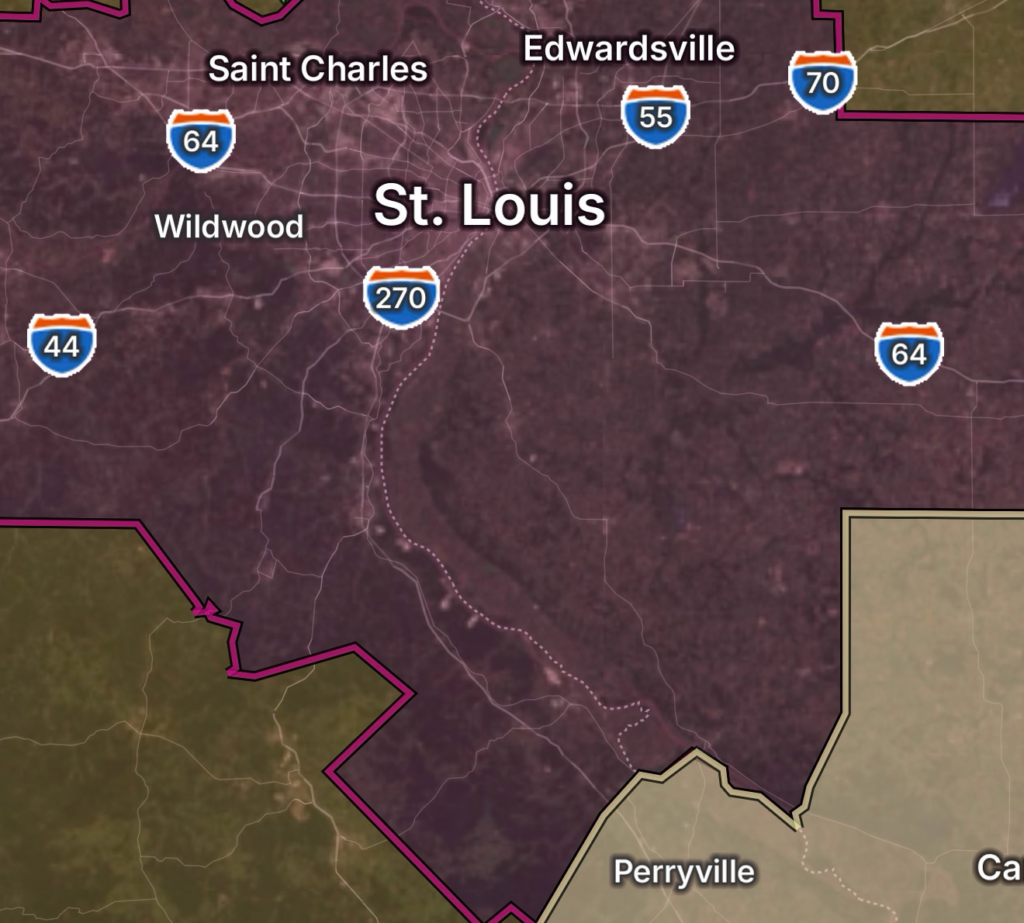
The city of St. Louis is currently experiencing a dangerous Extreme Heat Warning, with oppressive temperatures and high humidity creating hazardous conditions across the metro region. Residents should prepare for prolonged heat stress, elevated heat index values, and limited overnight cooling, increasing the risk of heat-related illness.
Meteorologists indicate that this heat event is being driven by a strong high-pressure system, trapping hot air over the Midwest and limiting cloud development and precipitation. As a result, daytime highs are expected to soar well into dangerous territory, with “feels-like” temperatures potentially exceeding safe thresholds.
Heat Impacts Across the St. Louis Metro Area
This Extreme Heat Warning affects urban and surrounding communities, including downtown St. Louis, St. Charles County, Jefferson County, and Metro East Illinois. Urban heat island effects may further intensify conditions, particularly in densely built neighborhoods where asphalt and concrete retain heat.
Extended exposure to these conditions can lead to heat exhaustion or heat stroke, especially for vulnerable populations such as the elderly, young children, outdoor workers, and individuals without access to air conditioning.
Weather Conditions Driving the Heat Warning
- Strong and persistent high-pressure ridge over the central United States
- Limited overnight cooling with elevated nighttime temperatures
- High humidity increasing heat index values significantly
- Weak wind patterns reducing atmospheric mixing and relief
These factors combined are creating a sustained period of dangerous heat stress conditions across the region.
Community Impacts and Concerns
Transportation systems, outdoor labor operations, and recreational activities are all affected during this heat event. Pavement temperatures may reach levels capable of causing discomfort or damage, while energy demand is expected to rise sharply due to increased air conditioning use.
Local authorities may open cooling centers and encourage residents to limit outdoor exposure during peak afternoon hours.
Extreme Heat Preparedness Essentials & Safety Tips for Severe Weather
Essential Items for Extreme Heat Conditions & Severe Weather Preparedness
Extreme heat events can become dangerous very quickly, especially when high temperatures combine with humidity and limited overnight cooling. Preparing in advance with the right essential items can significantly reduce health risks and improve safety during prolonged heat waves and severe weather conditions.
🔥 Essential Items for Extreme Heat Preparedness
These items help maintain hydration, regulate body temperature, and reduce exposure to dangerous heat conditions:
💧 Hydration & Electrolytes
- Reusable insulated water bottles
- Electrolyte packets or hydration tablets
- Sports drinks (low sugar preferred)
- Large water storage containers (for emergency use)
❄️ Cooling & Temperature Control
- Battery-powered or rechargeable fans
- Cooling towels (instant evaporative type)
- Ice packs or reusable gel packs
- Spray mist bottles for personal cooling
- Portable air conditioners (for home or small spaces if available)
🧴 Personal Protection
- Lightweight, breathable clothing (light colors)
- Wide-brim hats or sun hats
- UV-blocking sunglasses
- SPF 30+ broad-spectrum sunscreen
- Cooling arm sleeves or neck gaiters
🏠 Home Heat Management
- Blackout curtains or thermal blinds
- Window reflectors or sunshades
- Battery backup power sources (portable power stations)
- Thermometer/hygrometer for indoor monitoring
⚠️ Severe Weather Preparedness Essentials (Heat & Beyond)
These items support safety during multi-hazard weather events, including heat waves, storms, and power outages:
🔦 Emergency Supplies
- LED flashlights (multiple)
- Extra batteries or rechargeable battery packs
- Battery-powered NOAA weather radio
- Portable phone charger (power bank)
- Whistle for emergency signaling
🧰 Basic Emergency Kit
- First aid kit (heat illness treatment included)
- Non-perishable food supply (3-day minimum)
- Manual can opener
- Copies of important documents in waterproof pouch
🧊 Heat Emergency Add-ons
- Instant cold packs
- Pedialyte or oral rehydration solution
- Aloe vera gel for sun exposure relief
🏡 Safety & Planning Tools
- Emergency contact list (printed)
- Local cooling center locations
- Backup evacuation plan (if needed for prolonged outages)
- List of medications and medical needs
🌡️ Preparedness Tips for Extreme Heat & Severe Weather
- Hydrate consistently—don’t wait until you feel thirsty
- Avoid outdoor activity during peak heat hours (typically 11 AM–6 PM)
- Check on vulnerable individuals such as elderly neighbors, children, and pets
- Never leave pets or children in vehicles, even briefly
- Use cooling centers if home cooling is unavailable
- Wear loose, light-colored clothing to reflect heat
- Limit physical exertion during heat advisories or warnings
- Monitor weather alerts through trusted sources like the National Weather Service
- Keep backup power options ready in case of outages during extreme heat
🧭 Final Preparedness Reminder
Extreme heat is often underestimated compared to storms or snow, but it is one of the deadliest weather hazards in the United States. Proper preparation, hydration, and cooling strategies are essential to staying safe during prolonged heat events.