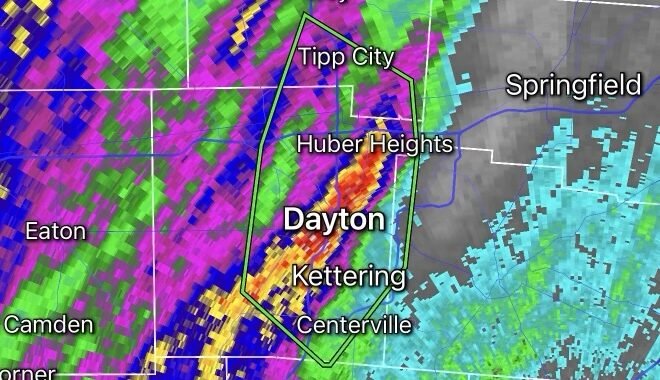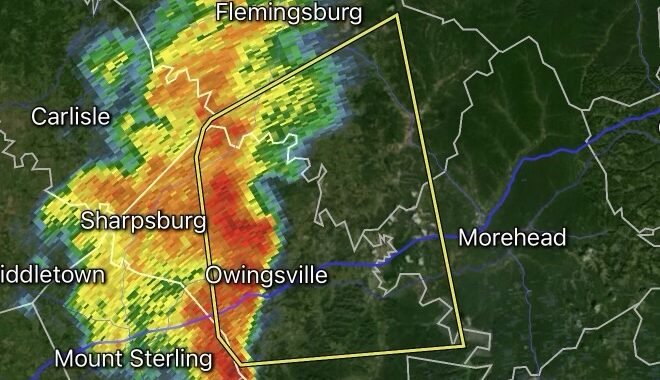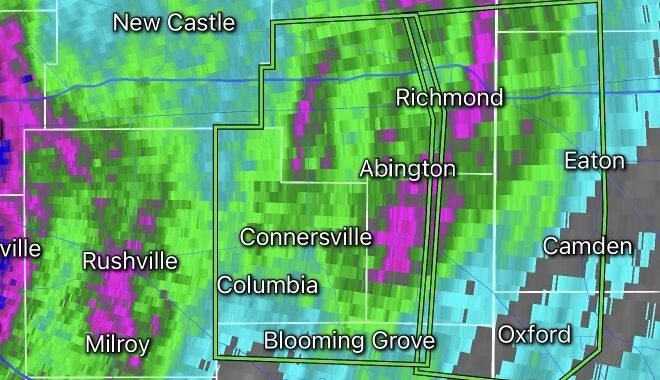
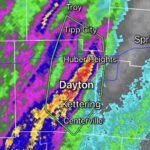

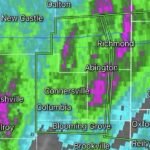




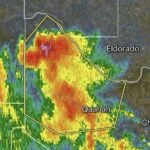


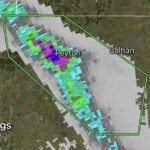
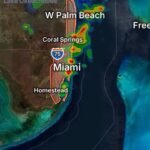


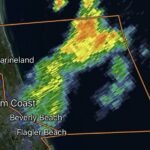
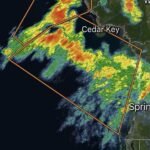


A powerful storm system is sweeping across the Midwest and Great Lakes region, bringing widespread severe weather, damaging winds, large hail, heavy rainfall, and the risk of tornadoes. Millions of residents from Minnesota and Wisconsin to Illinois, Michigan, and surrounding states are under severe weather alerts as the system moves eastward.
What’s Happening?
A strong dip in the jet stream has created favorable conditions for explosive thunderstorm development across the central United States. As warm, humid air collides with a cooler air mass moving in from the west, thunderstorms have rapidly intensified into severe supercells and organized storm clusters.
The most significant threats include:
- Damaging wind gusts exceeding 75 mph
- Large hail capable of damaging vehicles and property
- Isolated to scattered tornadoes
- Frequent lightning
- Localized flash flooding from torrential rainfall
Chicago Area Hit Hard
The Chicago metropolitan area experienced intense thunderstorms Wednesday, producing widespread power outages, downed trees, and transportation disruptions. Hundreds of thousands of customers lost electricity as wind gusts reached near 80 mph in some locations. Additional rounds of severe weather remain possible through Thursday.
Wisconsin and Minnesota Face Severe Impacts
Parts of Wisconsin and Minnesota have reported widespread storm damage, including structural damage from powerful winds. In Beaver Dam, Wisconsin, a well-known landmark barn was destroyed after strong storms moved through the region. Thousands of residents have also experienced power outages as multiple rounds of storms continue.
Flash Flooding Concerns Growing
Meteorologists warn that some areas could see repeated rounds of thunderstorms, a phenomenon known as “training storms,” where storms repeatedly move over the same location. Rainfall rates exceeding 2 inches per hour could quickly overwhelm drainage systems and lead to dangerous flash flooding.
Why the Midwest Has Been So Active This Year
The Midwest has experienced an unusually active severe weather season in 2026 due to a persistent pattern featuring:
- Frequent jet stream disturbances
- Abundant Gulf moisture
- Strong atmospheric instability
- Repeated clashes between warm and cool air masses
These ingredients have fueled numerous outbreaks of tornadoes, large hail, and damaging wind events throughout the spring and early summer.
Safety Tips During Severe Storms
When severe thunderstorms approach:
- Move indoors immediately.
- Stay away from windows.
- Charge electronic devices before storms arrive.
- Never drive through flooded roadways.
- Seek shelter on the lowest floor if a tornado warning is issued.
- Monitor local forecasts and emergency alerts.
Outlook
The severe weather threat will continue shifting eastward through the Great Lakes, Ohio Valley, and portions of the Northeast over the next 24 to 48 hours. Additional rounds of thunderstorms may produce damaging winds, large hail, isolated tornadoes, and flash flooding as the system progresses. Forecasters urge residents to remain weather-aware and have multiple ways to receive warnings.
Radar Watch HQ Weather Team will continue monitoring this developing severe weather event and provide updates as conditions evolve across the Midwest and Great Lakes region.