





Tropical Storm Bavi Safety and Preparedness for Areas Expected to Be Impacted
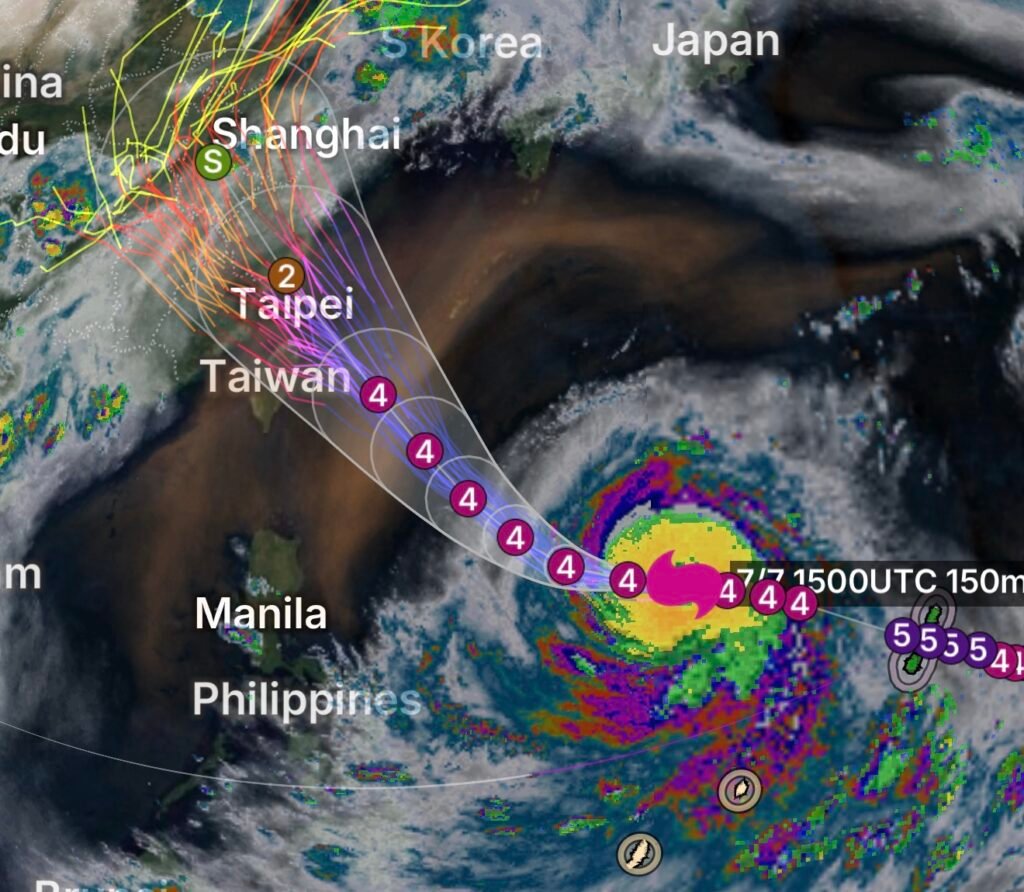
As Tropical Storm Bavi continues strengthening across the western Pacific, meteorologists are closely monitoring its projected track and potential impacts. Forecasts indicate Bavi is expected to bring destructive winds, torrential rainfall, dangerous storm surge, flash flooding, and rough surf to portions of the Mariana Islands, Taiwan, the Ryukyu Islands of Japan, and parts of eastern China over the coming days. The exact track and intensity may still change, but residents in vulnerable areas should begin preparations immediately.
Primary Hazards from Tropical Storm Bavi
Even if the center of Bavi remains offshore, dangerous weather can extend hundreds of miles from the eye. Communities should prepare for:
- Damaging tropical storm or typhoon-force winds
- Heavy rainfall capable of producing flash flooding
- River flooding and landslides in mountainous terrain
- Coastal storm surge and large destructive waves
- Dangerous rip currents and rough surf
- Extended power outages
- Downed trees and power lines
- Travel disruptions and flight cancellations
Forecast models indicate heavy rainfall and flooding could become one of the greatest threats as the storm approaches populated areas later this week.
How to Prepare Before the Storm Arrives
Preparation is most effective before weather conditions begin to deteriorate.
Build an Emergency Kit
Every household should have supplies to remain self-sufficient for at least 72 hours, including:
- Drinking water
- Non-perishable food
- Flashlights
- Extra batteries
- Portable phone chargers
- Battery-powered weather radio
- First aid kit
- Prescription medications
- Personal hygiene items
- Important documents stored in waterproof containers
Protect Your Home
Take steps now to reduce damage:
- Secure outdoor furniture and decorations.
- Trim weak tree branches near your home.
- Clean gutters and storm drains.
- Bring pets indoors before conditions worsen.
- Close and reinforce windows if storm shutters are available.
- Charge all electronic devices before power outages begin.
Prepare for Flooding
Flooding is responsible for many tropical cyclone fatalities.
Remember these important safety rules:
- Never drive through flooded roadways.
- Move vehicles to higher ground if flooding is possible.
- Know multiple evacuation routes.
- Stay away from rivers, streams, and low-lying areas.
- Be prepared to evacuate immediately if local officials issue evacuation orders.
Only a few inches of moving water can sweep away a vehicle or knock an adult off their feet.
If You Live Near the Coast
Storm surge can become life-threatening long before the storm’s center arrives.
Residents in coastal communities should:
- Monitor evacuation notices.
- Leave immediately if instructed by emergency management.
- Never remain in areas under mandatory evacuation.
- Avoid beaches, piers, and seawalls as dangerous waves can arrive well ahead of the storm.
During Tropical Storm Bavi
When hazardous weather begins:
- Stay indoors and away from windows.
- Continue monitoring official weather updates.
- Avoid unnecessary travel.
- Do not use generators indoors or inside garages.
- Keep emergency supplies easily accessible.
- Expect conditions to worsen rapidly if the storm intensifies.
After the Storm Passes
Danger may continue even after skies begin to clear.
Remain cautious of:
- Flooded roads
- Downed electrical lines
- Unstable trees
- Damaged buildings
- Contaminated floodwaters
Only return to evacuated areas after local authorities declare them safe.
Stay Informed
Tropical cyclone forecasts can change as storms evolve. Residents in potentially affected areas should monitor updates from their national meteorological agencies and local emergency management officials for the latest watches, warnings, and evacuation information. Current forecasts indicate Bavi will continue to pose a significant threat as it tracks westward, with impacts expected to expand across portions of the western Pacific in the coming days.
Affiliate Disclosure: As an Amazon Associate, Radar Watch HQ earns from qualifying purchases.
Radar Watch HQ Top 5 Essential Emergency Preparedness Picks
Whether you’re preparing for severe thunderstorms, flash flooding, hurricanes, wildfires, or extended power outages, these five emergency essentials can help keep your household safer when severe weather strikes.
A portable power station provides reliable backup electricity during outages, allowing you to power phones, medical devices, laptops, lights, small appliances, and communication equipment without fuel.
Best for:
- Extended power outages
- Severe thunderstorms
- Hurricanes
- Winter storms
- Wildfires
2. Flood Protection Barriers & Sandless Flood Bags
Flood barriers help divert or absorb water before it enters garages, doorways, and low-lying areas. They deploy quickly and can help reduce property damage during flash flooding.
Best for:
- Flash Flood Warnings
- Heavy rainfall
- River flooding
- Coastal flooding
3. Rechargeable LED Flashlights
Bright, dependable flashlights are essential when the power goes out. Rechargeable or solar-powered models provide long-lasting illumination for navigating safely indoors and outdoors.
Best for:
- Overnight power outages
- Emergency evacuations
- Storm damage inspections
Keep phones, tablets, weather radios, and USB-powered devices charged when the electrical grid is unavailable. A solar power bank offers an additional charging option during prolonged emergencies.
Best for:
- Communication during outages
- Emergency weather alerts
- Travel and evacuation
A NOAA Weather Radio delivers official weather alerts directly from the National Weather Service, even when cellular networks or internet service are unavailable. It remains one of the most dependable ways to receive life-saving warnings.
Best for:
- Tornado warnings
- Severe thunderstorm warnings
- Flash flood warnings
- Hurricane alerts
- Winter storm emergencies
Why Radar Watch HQ Recommends These Essentials
At Radar Watch HQ, preparedness is just as important as staying informed. These five emergency essentials can help you stay connected, protect your property, and safely navigate severe weather events. Having supplies ready before storms arrive allows you to respond quickly when warnings are issued and conditions begin to deteriorate.