

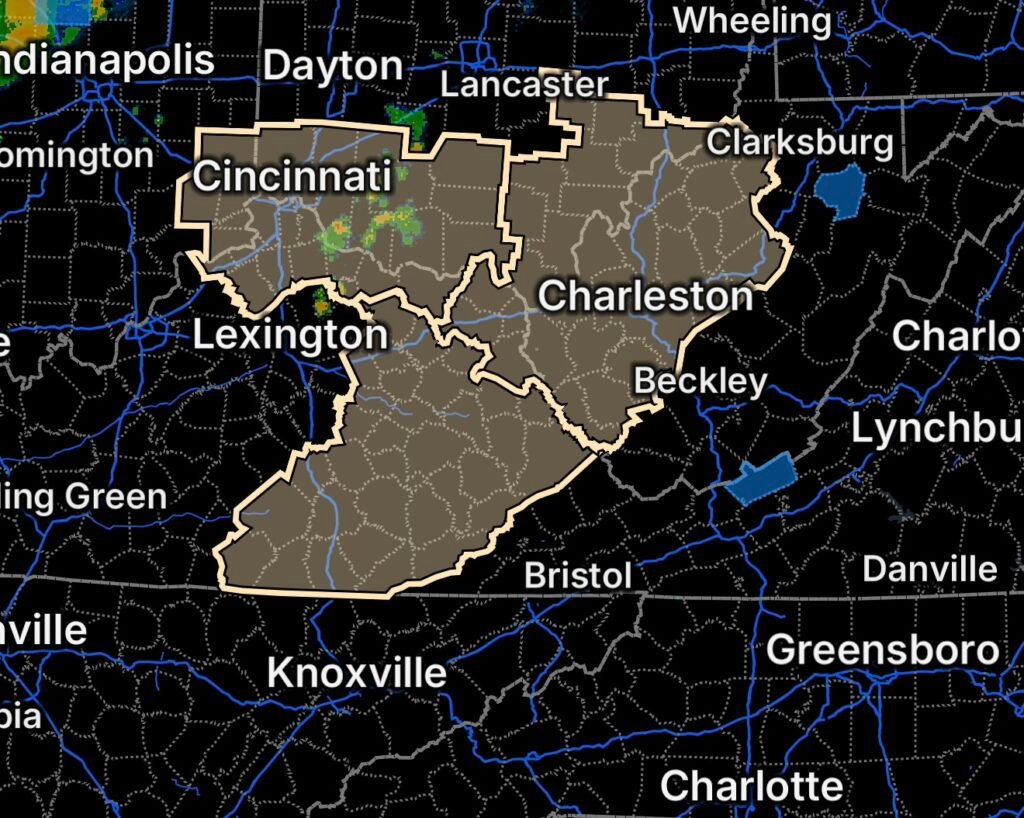
Special Weather Statements Cover Parts of Ohio, West Virginia and Kentucky
Several Special Weather Statements are highlighting localized weather conditions across portions of Ohio, West Virginia and Kentucky. While these statements are not the same as severe weather warnings, they provide important information about conditions that could affect travel, outdoor activities and daily routines.
Radar Watch HQ is breaking down the areas mentioned in the statements and what residents should know as weather conditions develop.
Ohio and West Virginia Weather Statement
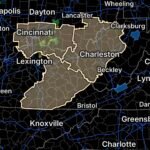
A Special Weather Statement covers a large area extending from eastern and southeastern Ohio into western and central West Virginia.
Ohio Counties
The statement includes:
- Greenup
- Carter
- Boyd
- Lawrence
- Perry
- Morgan
- Athens
- Washington
- Jackson
- Vinton
- Meigs
- Gallia
- Lawrence
Residents across these communities should remain aware of changing local conditions, particularly if spending extended periods outdoors or traveling through the affected area.
West Virginia Counties
The statement also includes:
- Wayne
- Cabell
- Mason
- Jackson
- Wood
- Pleasants
- Tyler
- Lincoln
- Putnam
- Kanawha
- Roane
- Wirt
- Calhoun
- Ritchie
- Doddridge
- Mingo
- Logan
- Boone
- Clay
- Braxton
- Gilmer
Conditions can vary considerably across the region, especially between valleys, higher elevations and more exposed locations. Drivers should remain attentive to changing weather conditions while traveling.
Hot Temperatures Across Eastern Kentucky
A separate Special Weather Statement is highlighting hot temperatures across a large portion of eastern and southeastern Kentucky.
The affected counties include:
- Fleming
- Montgomery
- Bath
- Rowan
- Estill
- Powell
- Menifee
- Rockcastle
- Jackson
- Pulaski
- Laurel
- Wayne
- McCreary
- Whitley
- Knox
- Bell
- Harlan
- Elliott
- Morgan
- Johnson
- Wolfe
- Magoffin
- Floyd
- Lee
- Breathitt
- Knott
- Owsley
- Perry
- Clay
- Leslie
- Letcher
- Martin
- Pike
Why Hot Temperatures Matter
Even when temperatures do not reach the criteria for an official heat warning, prolonged heat can still create health concerns, particularly for people spending several hours outside.
The combination of warm temperatures, direct sunlight and physical activity can increase the risk of heat-related illness.
Residents can reduce heat exposure by:
- Drinking water regularly throughout the day.
- Taking breaks in air-conditioned or shaded locations.
- Limiting strenuous outdoor activity during the hottest part of the afternoon.
- Wearing lightweight, breathable clothing.
- Checking on older adults, young children and others who may be more vulnerable to heat.
- Never leaving children or pets inside a parked vehicle.
Travel and Outdoor Safety
Weather conditions can change quickly across the Appalachian region. Motorists should stay alert for changing visibility, localized weather conditions and heat-related fatigue.
Anyone working or exercising outdoors should plan regular cooling and hydration breaks. If symptoms such as dizziness, unusual weakness, confusion or fainting develop, move to a cooler location and seek medical assistance when necessary.
What to Watch Next
Special Weather Statements can be updated, expanded or replaced as conditions evolve. Residents should continue monitoring forecasts and official National Weather Service information for changes affecting their specific community.
Weather conditions can differ significantly from one county to another, so localized forecasts remain important even when a broad region is covered by the same statement.
Radar Watch HQ Final Thoughts
Today’s Special Weather Statements serve as a reminder that not every potentially hazardous weather condition requires a warning to deserve attention. Hot temperatures and localized weather changes can still affect outdoor plans, travel and personal safety.
Stay weather-aware, take precautions during periods of heat, and continue monitoring official updates as conditions change.
Stay informed. Stay prepared. Keep watching the weather with Radar Watch HQ.