






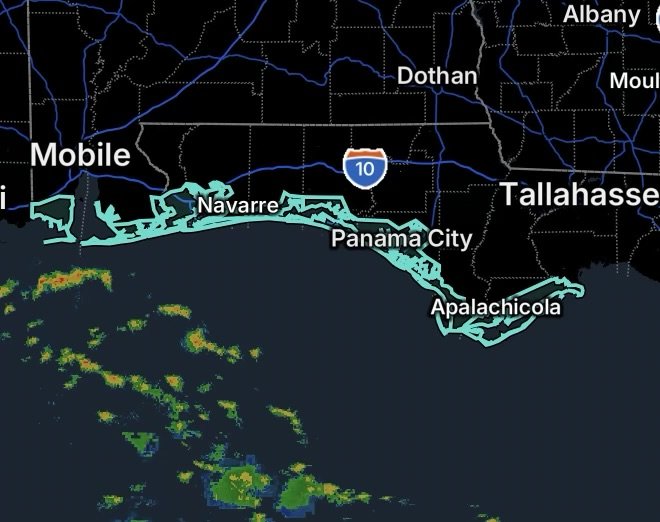
Rip Current Statement Covers Florida Panhandle and Alabama Gulf Beaches
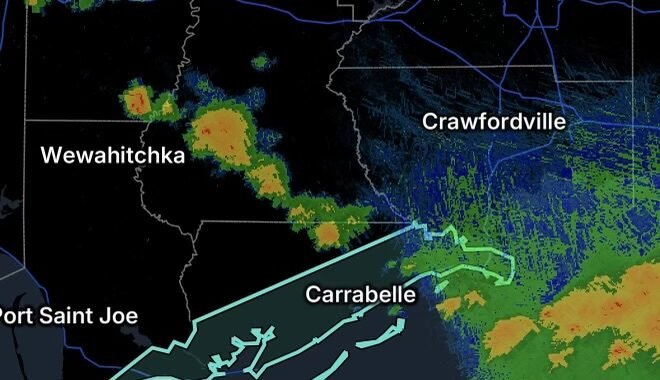
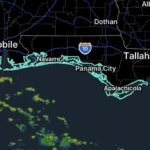
Beachgoers along portions of the northern Gulf Coast are being urged to use caution as Rip Current Statements cover beaches in Northwest Florida and Coastal Alabama on September 16, 2026.
The affected areas include Franklin County beaches; Walton, Bay and south-facing Gulf County beaches; coastal Alabama’s Mobile and Baldwin Counties; and Florida’s Escambia, Santa Rosa and Okaloosa coastal counties.
Rip currents can develop near beaches when waves, surf and nearshore water conditions create narrow channels of water flowing away from the shoreline. The National Weather Service identifies rip currents as a significant beach hazard along the northern Gulf Coast.
Areas Covered by the Rip Current Statements
Florida
The statements cover:
- Franklin County Beaches
- Walton County Beaches
- Bay County Beaches
- South-facing Gulf County Beaches
- Escambia County Coastal Areas
- Santa Rosa County Coastal Areas
- Okaloosa County Coastal Areas
These areas include popular Gulf beaches where swimmers, surfers, fishermen and other visitors may encounter rapidly changing water conditions.
Alabama
The Rip Current Statement also covers:
- Mobile Coastal County beaches
- Baldwin Coastal County beaches
The Mobile County and Baldwin County coastline includes beaches around areas such as Dauphin Island, Fort Morgan, Gulf Shores and Orange Beach.
Why Rip Currents Are Dangerous
A rip current is a powerful channel of water moving away from the beach. Even strong swimmers can have difficulty swimming directly against the current.
One of the biggest dangers is attempting to fight the current by swimming straight back toward shore. This can lead to exhaustion.
If caught in a rip current, stay calm and do not try to swim directly against it. Instead, swim parallel to the shoreline until you are out of the strongest current, then angle back toward the beach. If you cannot make it back safely, float or tread water and signal for help.
Beach Safety Matters
The National Weather Service recommends swimming near a lifeguard whenever possible and following local beach patrol instructions and warning flags. Even areas classified with a lower rip-current risk can experience dangerous currents, particularly near structures such as piers, jetties and groins.
Before entering the Gulf:
- Check the latest beach forecast and local flag system.
- Swim near a lifeguard when one is available.
- Never swim alone.
- Keep children within close reach.
- Avoid entering the water when local officials advise against it.
- If caught in a rip current, remain calm and swim parallel to the beach.
- Alert a lifeguard immediately if another swimmer is struggling.
What Beachgoers Should Know
A Rip Current Statement does not mean every part of the coastline has the same water conditions. Rip currents can vary considerably from one beach to another and can change as winds, waves and surf conditions evolve.
For residents and visitors across Northwest Florida and Coastal Alabama, checking current beach conditions before entering the Gulf is an important part of staying safe.
Radar Watch HQ will continue to monitor active weather and coastal hazards affecting communities across the region. Stay aware, follow local beach safety guidance, and know how to escape a rip current before entering the water.