


Published by Radar Watch HQ
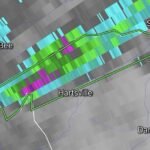
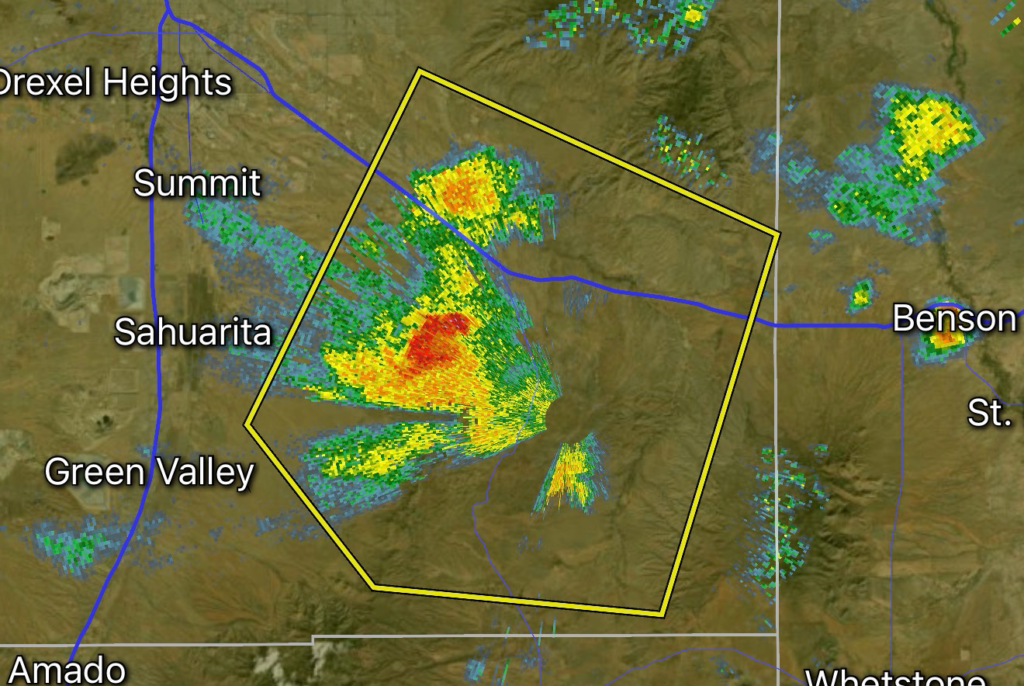
A Severe Thunderstorm Warning has been issued for Pima County, Arizona, as powerful monsoon thunderstorms move through the region. Residents should prepare for wind gusts up to 60 mph and hail smaller than 1.00 inch, capable of causing localized damage and dangerous travel conditions.
While the hail is expected to remain below one inch in diameter, the combination of strong winds, blowing dust, heavy rainfall, and frequent lightning makes this a hazardous storm, especially during Arizona’s active monsoon season.
Severe Thunderstorm Warning Details
- Location: Pima County, Arizona
- Hazards:
- Wind gusts up to 60 mph
- Hail less than 1.00 inch
- Frequent cloud-to-ground lightning
- Heavy rainfall
- Localized flash flooding
- Blowing dust reducing visibility
What This Means During Arizona’s Monsoon Season
Arizona’s monsoon season brings moisture from the south that fuels fast-developing thunderstorms. Even storms with relatively small hail can quickly become dangerous because of several unique monsoon hazards.
Damaging Winds
Wind gusts around 60 mph can:
- Down tree limbs
- Damage roofs, fences, and awnings
- Blow unsecured outdoor furniture and trampolines
- Create hazardous driving conditions for high-profile vehicles
- Produce widespread blowing dust
Blowing Dust
One of the biggest dangers during monsoon storms is the sudden formation of dust storms.
Visibility can rapidly drop to nearly zero on highways, increasing the risk of multi-vehicle crashes. Drivers encountering blowing dust should:
- Exit the roadway safely if possible.
- Turn off headlights and brake lights after pulling completely off the road.
- Keep your foot off the brake pedal until the dust passes.
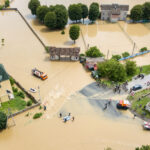
Heavy Rain Can Cause Flash Flooding
Although Arizona is known for its dry climate, monsoon storms often produce intense rainfall over short periods.
Flooding can develop rapidly in:
- Dry washes
- Low-water crossings
- Urban streets
- Desert roadways
- Hiking canyons
Never attempt to drive through flooded roads. Just a small amount of moving water can sweep away a vehicle.
Lightning Safety
Every thunderstorm produces lightning.
If thunder is heard:
- Move indoors immediately.
- Stay away from windows.
- Avoid using corded electronics and plumbing.
- Delay outdoor recreation until at least 30 minutes after the last thunder.
Hail Threat
Hail smaller than 1 inch may still:
- Damage vehicles
- Break windows
- Harm gardens and crops
- Injure people caught outdoors
Move vehicles into covered parking if time allows before the storm arrives.
Safety Tips
- Secure loose outdoor objects.
- Charge phones and backup batteries.
- Monitor local weather updates.
- Avoid hiking in washes or canyons.
- Stay indoors until the warning expires.
- Prepare for isolated power outages caused by strong winds.
Why Monsoon Storms Develop So Quickly
Arizona’s summer heat combines with increasing tropical moisture to create unstable atmospheric conditions. Thunderstorms can rapidly intensify during the afternoon and evening hours, producing:
- Damaging straight-line winds
- Heavy rainfall
- Frequent lightning
- Dust storms
- Small to moderate hail
- Localized flash flooding
Even storms that appear small on radar can strengthen quickly and produce severe weather with little warning.
Stay Weather Ready with Radar Watch HQ
During Arizona’s monsoon season, severe weather can develop rapidly. Staying informed and taking action as soon as warnings are issued can help protect lives and property.
Continue monitoring forecasts, weather radar, and official warnings as storms move across Pima County. Conditions may change quickly throughout the day and evening.
Affiliate Disclosure: As an Amazon Associate, Radar Watch HQ earns from qualifying purchases.
Radar Watch HQ Top 5 Essential Emergency Preparedness Picks
Whether you’re preparing for severe thunderstorms, flash flooding, hurricanes, wildfires, or extended power outages, these five emergency essentials can help keep your household safer when severe weather strikes.
A portable power station provides reliable backup electricity during outages, allowing you to power phones, medical devices, laptops, lights, small appliances, and communication equipment without fuel.
Best for:
- Extended power outages
- Severe thunderstorms
- Hurricanes
- Winter storms
- Wildfires
2. Flood Protection Barriers & Sandless Flood Bags
Flood barriers help divert or absorb water before it enters garages, doorways, and low-lying areas. They deploy quickly and can help reduce property damage during flash flooding.
Best for:
- Flash Flood Warnings
- Heavy rainfall
- River flooding
- Coastal flooding
3. Rechargeable LED Flashlights
Bright, dependable flashlights are essential when the power goes out. Rechargeable or solar-powered models provide long-lasting illumination for navigating safely indoors and outdoors.
Best for:
- Overnight power outages
- Emergency evacuations
- Storm damage inspections
Keep phones, tablets, weather radios, and USB-powered devices charged when the electrical grid is unavailable. A solar power bank offers an additional charging option during prolonged emergencies.
Best for:
- Communication during outages
- Emergency weather alerts
- Travel and evacuation
A NOAA Weather Radio delivers official weather alerts directly from the National Weather Service, even when cellular networks or internet service are unavailable. It remains one of the most dependable ways to receive life-saving warnings.
Best for:
- Tornado warnings
- Severe thunderstorm warnings
- Flash flood warnings
- Hurricane alerts
- Winter storm emergencies
Why Radar Watch HQ Recommends These Essentials
At Radar Watch HQ, preparedness is just as important as staying informed. These five emergency essentials can help you stay connected, protect your property, and safely navigate severe weather events. Having supplies ready before storms arrive allows you to respond quickly when warnings are issued and conditions begin to deteriorate.