








Dangerous Heat Threatens Arizona and Southern California
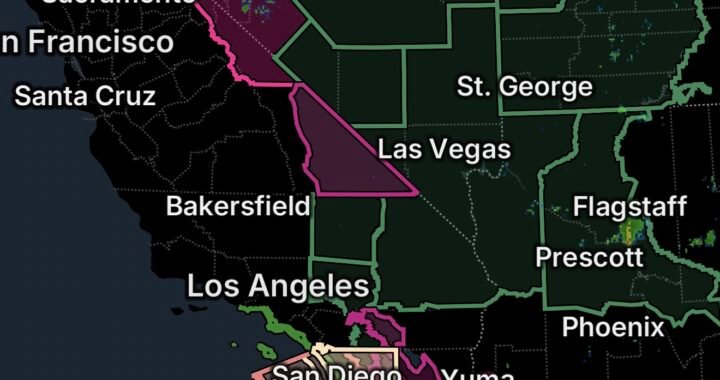
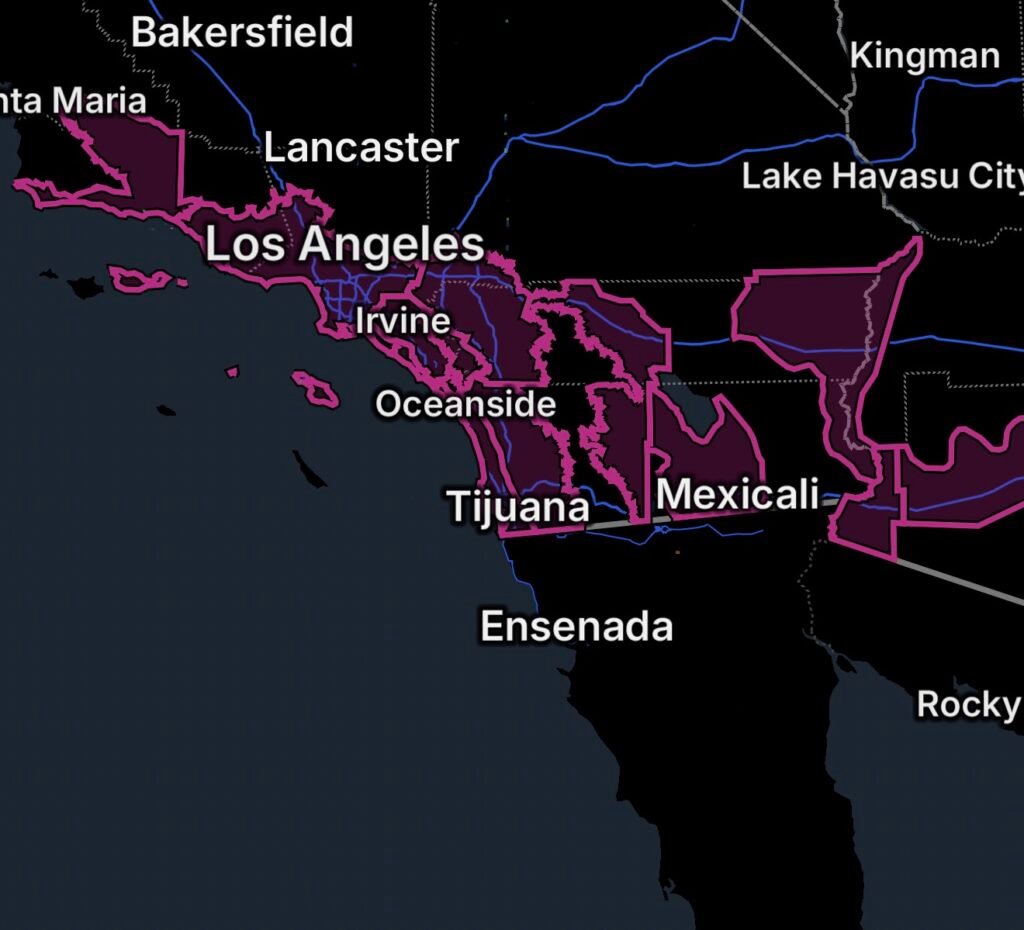
An Extreme Heat Warning has been reported for broad areas of Arizona and Southern California, including desert valleys, inland communities, coastal areas, and foothills. Residents should take precautions against heat-related illness, particularly during strenuous outdoor activities and prolonged exposure to high temperatures.
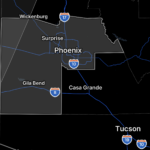
Arizona: Gila River Valley and Parker Valley
In Arizona, the warning includes the Gila River Valley and Parker Valley, where desert heat can pose significant risks to residents, outdoor workers, travelers, and people without reliable access to air conditioning.
Residents should limit strenuous outdoor activity during the hottest part of the day, drink water regularly, and check on vulnerable neighbors and family members.
California Desert Regions
The reported warning areas include:
- Chuckwalla Valley and Palo Verde Valley
- Yuma area and portions of Imperial County, including the Imperial Valley
- Coachella Valley
- San Diego County Deserts
- San Gorgonio Pass near Banning
Desert temperatures can create dangerous conditions for hikers, motorists, outdoor workers, and visitors unfamiliar with the region. Carry sufficient water, avoid strenuous activity during peak heat, and never leave children or pets inside parked vehicles.
Inland Empire, San Bernardino and Riverside County Valleys
The warning also covers the San Bernardino and Riverside County Valleys and the Inland Empire. Heat can remain hazardous in urban areas, especially where pavement and buildings retain warmth.
Residents should use air-conditioned spaces when possible, schedule outdoor work for cooler hours, and take frequent breaks in shaded or cool locations.
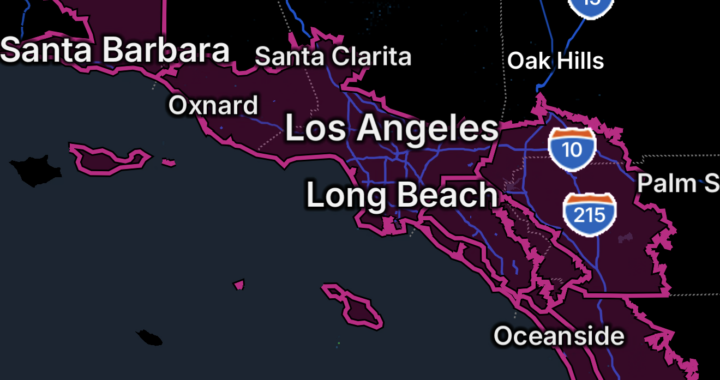
Los Angeles, Ventura and Orange County
Reported warning areas include:
- Coast and Valleys of Los Angeles and Ventura Counties
- Orange County Inland Areas
- Orange County Coastal Areas
- Santa Ana Mountains and Foothills
Even coastal communities can experience dangerous heat during certain weather patterns. Residents should not assume that proximity to the ocean guarantees comfortable temperatures.
San Diego County Valleys and Coastal Areas
The warning also includes San Diego County Valleys and San Diego Coastal Areas, in addition to the county’s desert region. Residents should pay attention to local forecasts because temperatures and heat exposure can vary significantly across the county.
Who Is Most at Risk?
Extreme heat can affect anyone, but some people face greater risks, including:
- Older adults and young children
- Outdoor workers and people exercising outside
- People without reliable air conditioning
- Individuals with certain chronic health conditions
- Pets and other animals left in hot environments
Essentials: How to Stay Safe During Extreme Heat
- ☐ Drink water regularly; do not wait until you feel thirsty.
- ☐ Limit strenuous outdoor activities during the hottest hours.
- ☐ Spend time in air-conditioned buildings or designated cooling centers.
- ☐ Wear lightweight, loose-fitting clothing and take frequent breaks.
- ☐ Check on older adults, neighbors, and anyone who may need assistance.
- ☐ Never leave children, vulnerable adults, or pets in a parked vehicle.
- ☐ Keep pets supplied with fresh water and access to shade or a cool indoor space.
- ☐ Know the signs of heat illness, including dizziness, nausea, headache, and confusion.
Recognize a medical emergency: Confusion, fainting, seizures, or very high body temperature may indicate heatstroke. Call 911 immediately if heatstroke is suspected and begin cooling the person while waiting for emergency responders.
The Bottom Line
The October 8, 2026, Extreme Heat Warning covers a broad area of Arizona and Southern California, from desert valleys to inland communities and coastal regions. Take heat precautions seriously, protect vulnerable people and animals, and monitor local National Weather Service updates for temperatures, timing, and expiration information.
Stay hydrated, stay cool, and check on one another.