


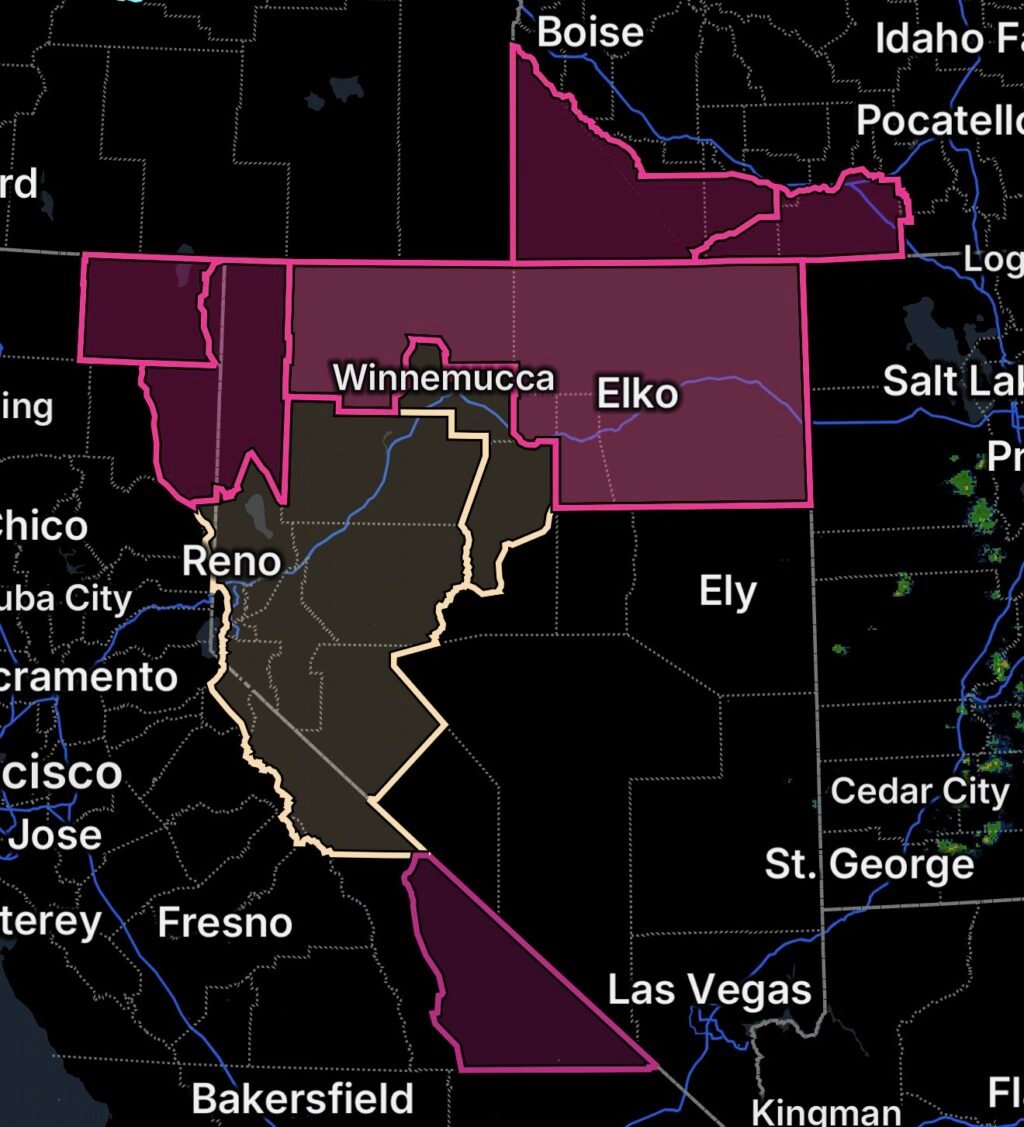
Critical Fire Weather Raises Wildfire Concerns Across Three States
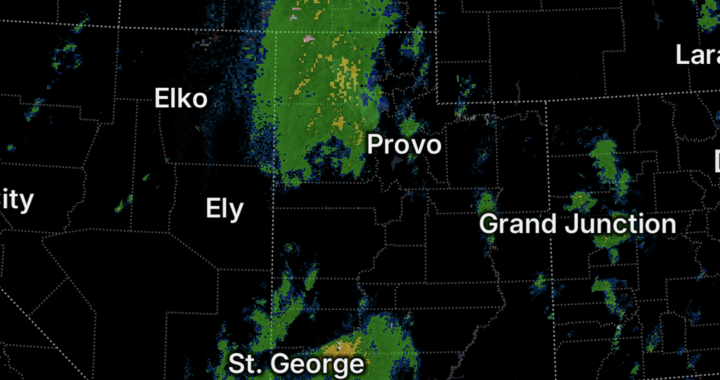
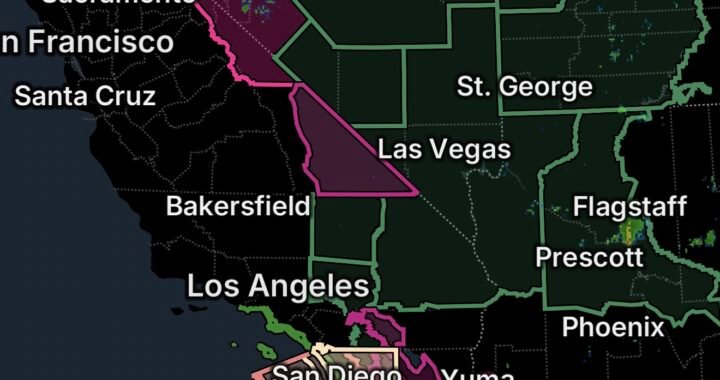
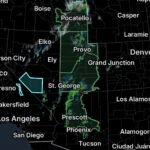
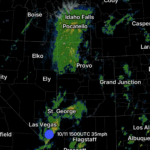
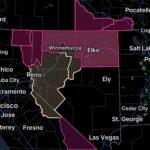
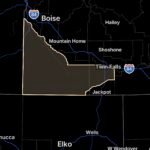
Multiple Red Flag Warnings and other fire-weather alerts highlight elevated wildfire concerns across parts of Idaho, Nevada, and California on Thursday, October 8, 2026. Areas affected include southern Idaho, portions of northern and central Nevada, and communities and terrain in northeastern California.
Red Flag conditions typically involve a combination of dry vegetation, low humidity, and strong or gusty winds that can allow fires to ignite easily and spread rapidly. The exact conditions and timing vary by location, so residents should follow their local National Weather Service forecasts.
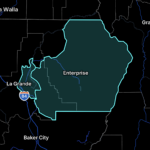
Idaho: Red Flag Warnings in Southern and Southwestern Areas
Red Flag Warnings cover several areas of Idaho, including:
- Goose Creek and Raft River Valley, Southern Sawtooth National Forest, and Twin Falls BLM lands south of the Snake River.
- The Owyhee Mountains and Southern Highlands.
Dry vegetation combined with critical wind and humidity conditions could increase the risk of fast-moving wildfires. Outdoor activities that produce sparks or open flames should be avoided where fire restrictions apply.
Nevada: Red Flag Warnings and Fire-Weather Concerns
Fire-weather alerts affect several areas of Nevada, including:
- Humboldt County.
- Quinn West and northern portions of Elko County.
- Northern Eureka and Lander counties north of Highway 180.
- Central and eastern Elko County.
- The Northern Sierra Front.
- Southern Mono County, where a Fire Weather Watch was reported.
Red Flag Warnings indicate critical fire-weather potential, while a Fire Weather Watch means conditions may become favorable for dangerous fire behavior. Residents should prepare for changing conditions and remain alert to local fire restrictions and evacuation information.
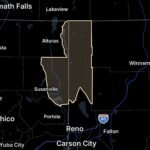
California: Red Flag Warnings in Surprise Valley and Modoc County
Red Flag Warnings include Surprise Valley, eastern Lassen County, northern Washoe County, and Modoc County.
Dry fuels, low humidity, and strong winds can combine to make wildfire starts particularly dangerous. Residents should secure trailers and other equipment that could create sparks, avoid burning debris, and use extreme caution with vehicles and machinery around dry grass.
Extreme Heat Warning for Death Valley National Park
An Extreme Heat Warning also affects elevations below 2,000 feet in Death Valley National Park. Extreme heat can cause heat exhaustion and potentially life-threatening heatstroke, especially during strenuous outdoor activity.
Visitors should avoid strenuous activities during the hottest part of the day, drink water regularly, and never rely on shade alone for protection. Check vehicle condition before traveling through remote desert areas, and do not leave children or pets in parked vehicles.
Essentials: How to Stay Safe
Wildfire and Fire-Weather Safety
- ☐ Avoid outdoor burning and activities that could create sparks.
- ☐ Follow local fire restrictions and official evacuation instructions.
- ☐ Keep vehicles and equipment away from dry grass when possible.
- ☐ Prepare essential supplies and know multiple ways to leave your area.
- ☐ Report smoke or fire to emergency services when safe to do so.
Extreme Heat Safety
- ☐ Drink water regularly and limit strenuous outdoor activity.
- ☐ Seek air-conditioned spaces or shaded rest areas.
- ☐ Recognize heat illness symptoms, including dizziness, nausea, headache, and confusion.
- ☐ Never leave children or pets inside a parked vehicle.
- ☐ Carry extra water and supplies when traveling through Death Valley.
The Bottom Line
October 8, 2026, brings a combination of dangerous fire-weather conditions across Idaho, Nevada, and California and extreme heat in lower-elevation Death Valley National Park. Avoid activities that could spark fires, follow official alerts, and take heat precautions if traveling in the desert.
Stay alert, prevent sparks, and protect yourself from extreme heat.