




Isaias Weakens but Flooding Risks Remain
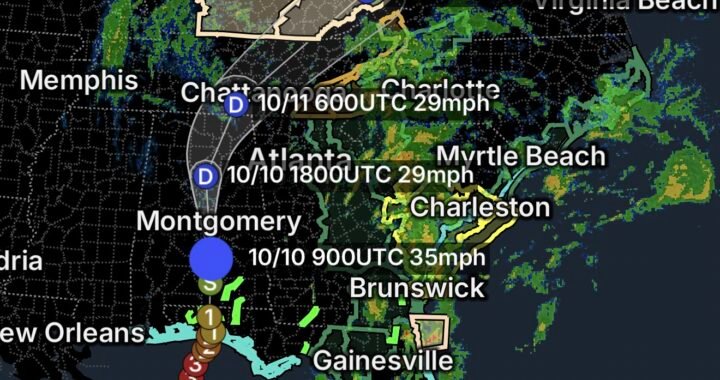
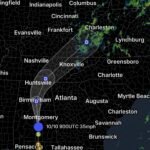
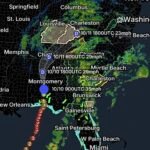
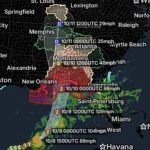
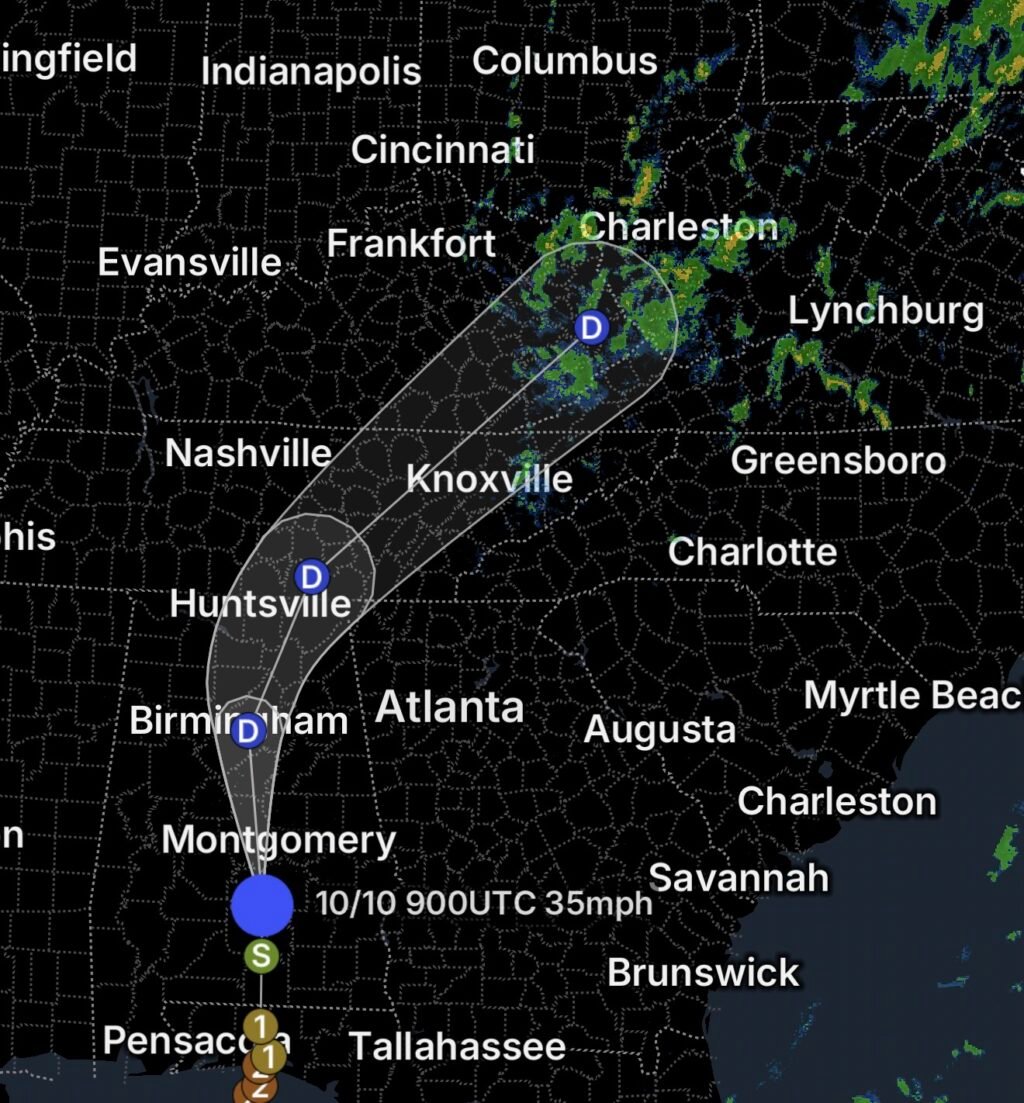
Post-Tropical Cyclone Isaias is moving northeastward inland after bringing damaging winds, heavy rain, and flooding to parts of the southeastern United States. As of the National Weather Service Weather Prediction Center’s 11 a.m. EDT update on October 11, the system was near central Kentucky, moving east-northeast at about 22 mph with maximum sustained winds near 25 mph.
Although Isaias has weakened significantly, its remaining moisture and circulation can still contribute to hazardous weather. The main ongoing concern is flooding in portions of the Appalachians and Mid-Atlantic, where additional rainfall can worsen already saturated conditions.
Flooding and Landslide Concerns
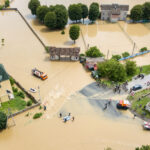
Heavy rainfall associated with Isaias has created flash-flooding concerns across parts of the Southeast and Appalachian region. Flooding can develop quickly in urban areas, near streams, and in low-lying locations. In mountainous terrain, saturated soil and runoff may also trigger landslides.
Residents should avoid flooded roads, stay away from fast-moving water, and follow local emergency instructions.
Turn around, don’t drown!
Gusty Winds and Possible Power Disruptions
Even as the system weakens, gusty winds can bring down tree limbs, damage weakened structures, and cause localized power outages. Residents should remain cautious around damaged trees, debris, and downed power lines.
If using a generator after an outage, operate it outdoors, well away from doors, windows, and garages, to prevent deadly carbon monoxide buildup.
What Residents Should Do
- ☐ Monitor local forecasts and flood alerts.
- ☐ Avoid driving or walking through floodwater.
- ☐ Stay away from streams, drainage channels, and landslide-prone slopes.
- ☐ Secure loose outdoor items if strong winds are expected.
- ☐ Keep phones charged and emergency supplies accessible.
- ☐ Treat all downed power lines as energized and stay far away.
The Bottom Line
Post-Tropical Cyclone Isaias is weakening as it moves northeast, but lingering rainfall and gusty winds can still create dangerous conditions. Flooding remains a concern in parts of the Appalachians and Mid-Atlantic, so residents should continue monitoring official weather updates and avoid flood-prone areas.