
Rachel Has Dissipated, but Weather Hazards Continue
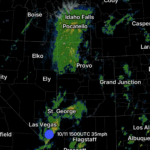
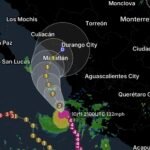
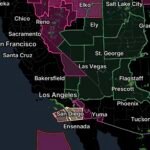
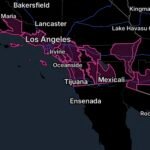
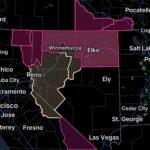
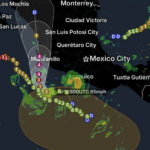
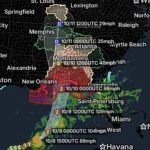
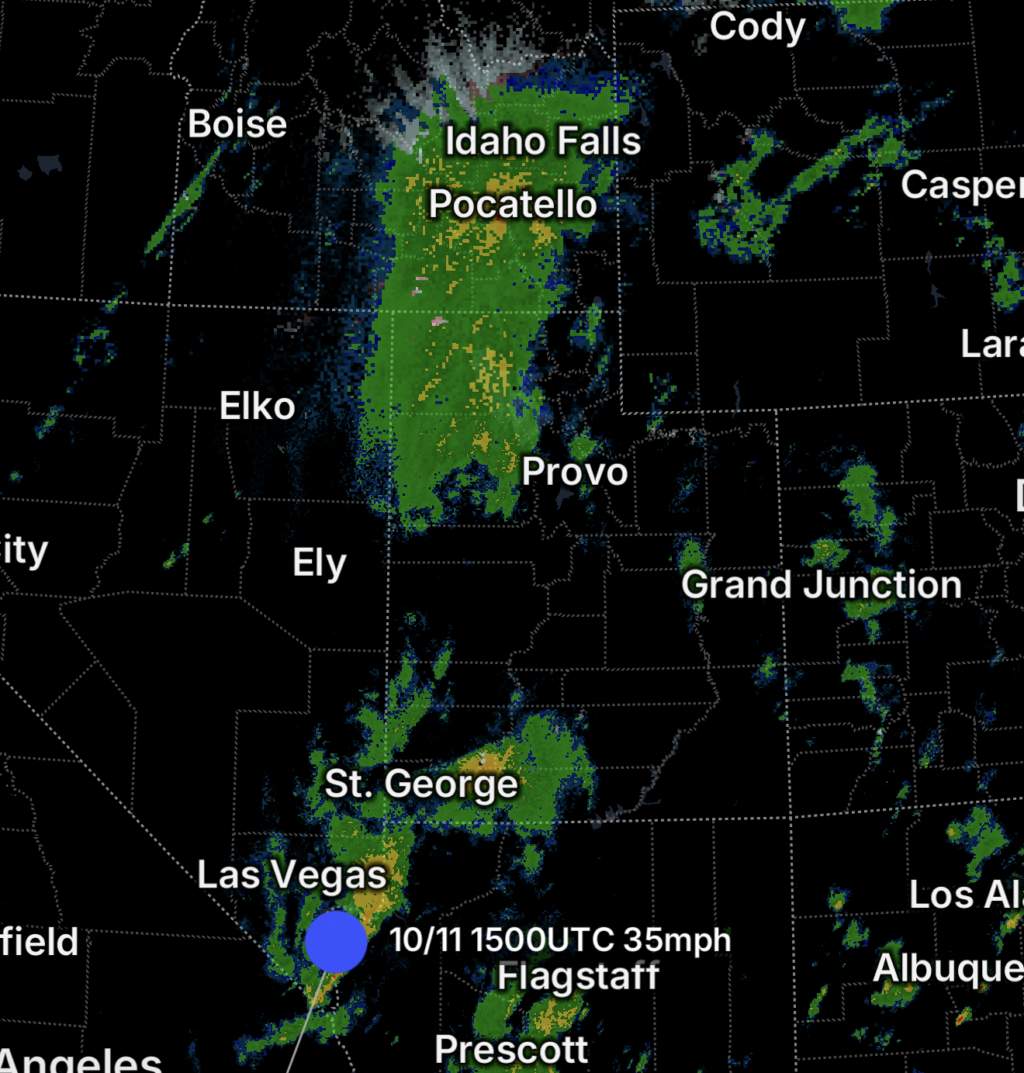
The National Hurricane Center reported on October 11 that Rachel had dissipated over the southwestern United States. However, the storm’s remaining moisture and circulation continue to generate areas of heavy rainfall and gusty winds across portions of the Southwest. The October 11 advisory was the final tropical cyclone advisory for Rachel. https://www.nhc.noaa.gov/archive/2026/ep18/ep182026.discus.058.shtml
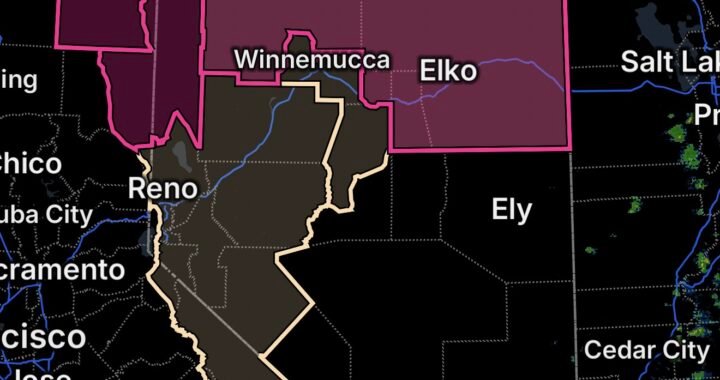
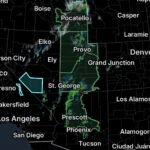
The system was last located near the California–Nevada region, moving north-northeastward. Even after a tropical system loses its official classification, its remaining moisture can still produce dangerous weather conditions.
Heavy Rain and Flash Flooding Concerns
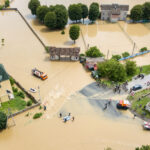
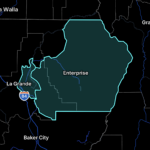
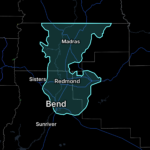
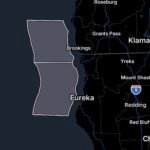
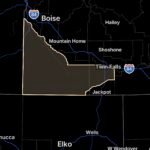
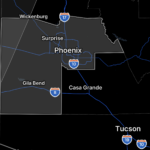
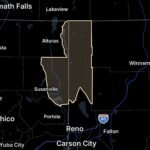
Rainfall associated with Rachel’s remnants may cause localized flooding, particularly in low-lying areas, urban neighborhoods, washes, and locations with poor drainage. Heavy rain over mountainous terrain can also lead to rapid runoff and dangerous conditions near streams and waterways.
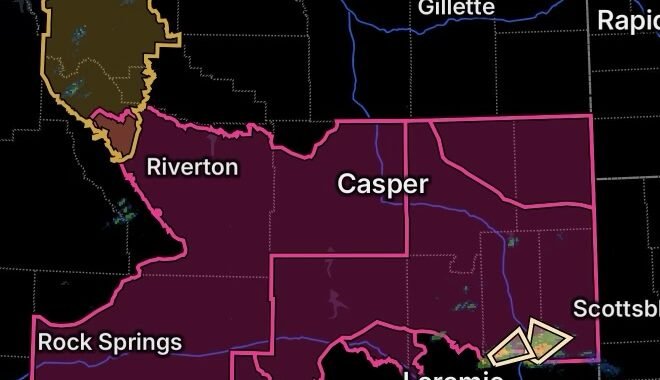
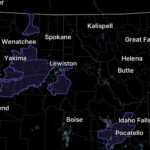
Residents should remain alert for local National Weather Service alerts, especially where additional rainfall may fall over already wet ground. The Weather Prediction Center has also highlighted continued excessive-rainfall potential across portions of the Great Basin and Southwest. https://www.wpc.ncep.noaa.gov/
Gusty Winds and Travel Disruptions
Gusty winds may accompany showers and thunderstorms, creating hazardous driving conditions and potentially moving loose outdoor objects. Drivers should be cautious around standing water, debris, and roads affected by flooding.
Avoid crossing flooded streets or flowing water, even if the water appears shallow. Turn around, don’t drown!
Essentials: How to Stay Safe
- Monitor alerts: Check local National Weather Service forecasts and warnings for your county.
- Avoid flooded roads: Never drive or walk through floodwater.
- Stay away from washes and streams: Water levels can rise quickly during heavy rain.
- Secure loose objects: Bring in or tie down lightweight outdoor furniture and decorations.
- Prepare for travel delays: Allow extra time and avoid routes with reported flooding.
- Check on vulnerable neighbors: Help older adults and anyone who may need assistance preparing for severe weather.
What Happens Next?
Rachel’s tropical circulation has dissipated, but its residual moisture may continue to affect portions of the Southwest as the weather pattern evolves. Conditions will vary by location, so residents should rely on updated local forecasts rather than assuming the danger has ended because the storm has weakened.
Bottom Line
The remnants of Rachel remain a weather concern even though the storm is no longer classified as a tropical cyclone. Heavy rainfall, gusty winds, and localized flooding may still create hazardous conditions across parts of the Southwest on October 11, 2026. Stay informed, avoid flooded areas, and follow instructions from local emergency officials.