

Tropical Storm Rachel Brings Multiple Hazards to Southern California
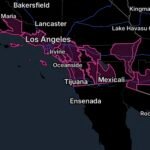
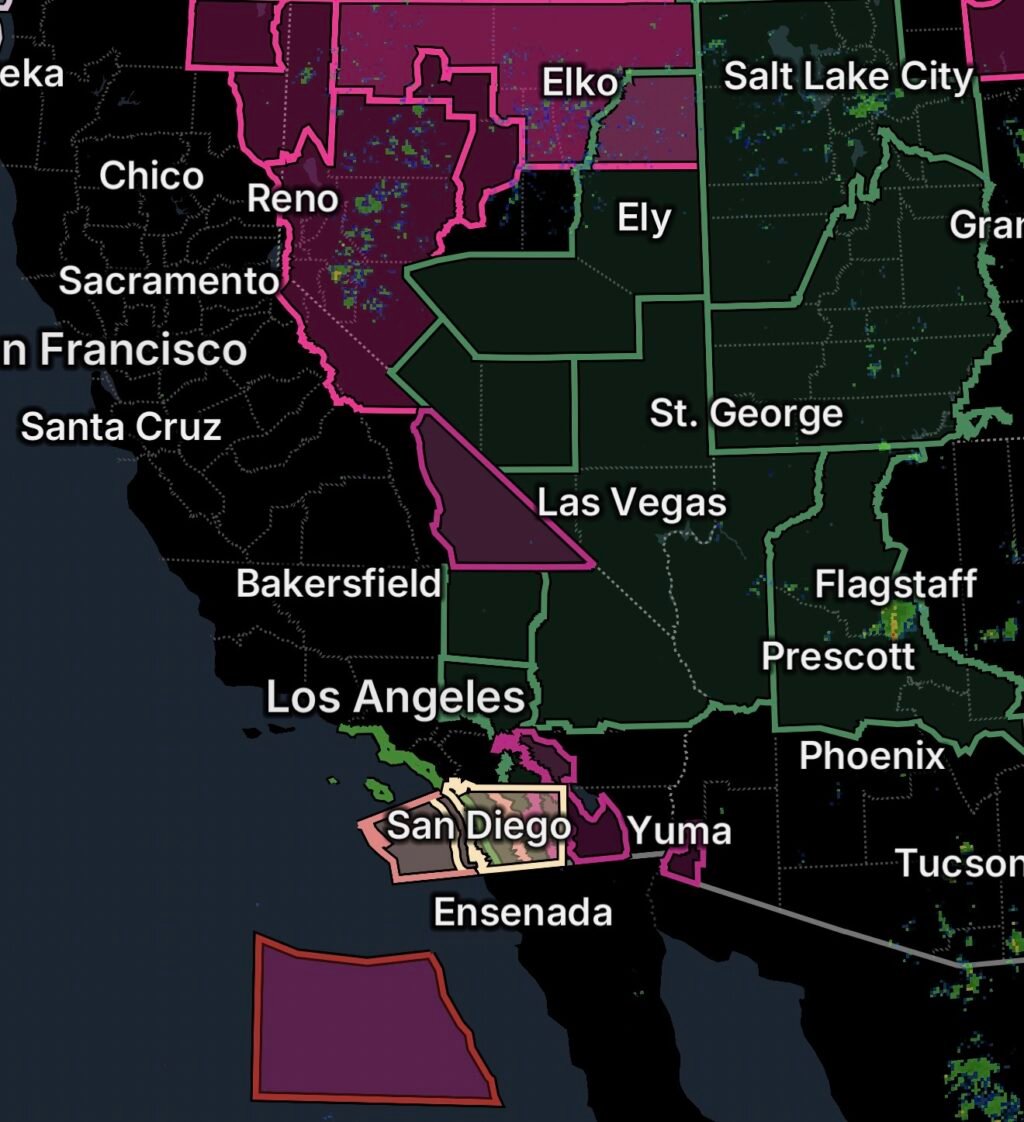
Tropical Storm Rachel is associated with a broad range of weather hazards affecting Southern California and nearby desert regions on Friday, October 9, 2026. The reported alerts include warnings for offshore waters, coastal flooding concerns in San Diego and Orange counties, and Flood Watches extending into parts of California, Nevada, and Arizona.
The combination of coastal hazards, possible inland flooding, and extreme heat in Death Valley means residents and visitors should pay attention to the specific alerts for their locations.
Rachel’s impacts can extend beyond the immediate storm environment through rough seas, dangerous surf, coastal water impacts, and moisture that may contribute to flooding. The precise rainfall amounts and local effects depend on the evolving forecast.
1. Marine Warnings: Dangerous Offshore Conditions
A Tropical Storm Warning and a Storm Warning have been reported for the offshore waters extending from San Clemente Island, California, south to 30°N, from 60 nautical miles offshore westward to 120°W.
These warnings signal potentially dangerous marine conditions. Strong winds and rough seas can threaten recreational boaters, commercial vessels, and anyone traveling offshore.
Marine safety essentials:
- Avoid unnecessary trips into affected offshore waters.
- Follow Coast Guard and National Weather Service guidance.
- Secure vessels and equipment when it is safe to do so.
- Do not assume conditions are safe simply because skies appear calm near shore.
2. Southern California: Tropical Cyclone Local Statement
A Tropical Cyclone Local Statement has been reported for extreme southwestern California. This type of statement provides region-specific information about a tropical cyclone, including relevant hazards and preparedness guidance.
Residents should review the latest local statement for details on expected conditions, protective actions, and any changes to the forecast.
3. Coastal Flood Warnings for San Diego and Orange Counties
Coastal Flood Warnings have been reported for San Diego County coastal areas and Orange County coastal areas.
Coastal flooding can affect low-lying shorelines, beach access points, waterfront roads, and other locations vulnerable to elevated water levels. Depending on local conditions, high surf and wave run-up can push water farther inland than usual.
Residents and visitors should:
- Stay away from flooded coastal roads and waterfront areas.
- Avoid walking near jetties, rocks, seawalls, and exposed shorelines during dangerous surf.
- Follow beach closures and instructions from lifeguards and local officials.
- Never drive through coastal floodwater.
4. Tropical Storm Watch for Southern California Communities
A Tropical Storm Watch has been reported for Oceanside, Carlsbad, Chula Vista, and San Diego.
A Tropical Storm Watch means tropical-storm conditions are possible in the watch area. It does not guarantee that those conditions will occur, but residents should prepare and monitor official updates.
Residents should secure loose outdoor objects, review emergency supplies, charge essential devices, and remain alert for changes in the forecast.
5. Flood Watches Across Southern California, Nevada and Arizona
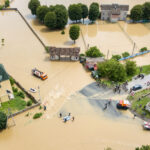
Flood Watches have been reported for a portion of southwestern California and for portions of northwestern Arizona, southeastern California, and Nevada.
The listed Nevada areas include:
- Lake Mead
- Lake Mohave, Nevada side
- Las Vegas Valley
- Lincoln County
- Northeast Clark County
- Sheep Range
- Southern Clark County
- Spring Mountains
- Red Rock Canyon
- Western Clark County
- Southern Nye County
A Flood Watch means conditions are favorable for flooding, although flooding may not occur everywhere in the watch area. Heavy rainfall can cause rapid runoff, especially in desert terrain, dry washes, canyons, and normally dry riverbeds.
Even locations that receive little rain directly may experience dangerous water flowing downstream from storms elsewhere.
Flood safety reminders:
- Never walk, swim, or drive through floodwater.
- Stay away from washes, drainage channels, and normally dry riverbeds when flooding is possible.
- Be prepared to change travel plans if roads become flooded.
- Follow evacuation instructions and monitor official weather alerts.
Turn around, don’t drown!
6. Extreme Heat Warning for Death Valley National Park
An Extreme Heat Warning remains reported for elevations below 2,000 feet in Death Valley National Park.
This heat hazard is especially important for hikers, park visitors, outdoor workers, and travelers crossing remote desert areas. Extreme heat can cause dehydration, heat exhaustion, and life-threatening heatstroke.
Visitors should avoid strenuous outdoor activity during the hottest hours, drink water regularly, seek cooler locations, and carry adequate supplies. Never leave children or pets inside parked vehicles.
Confusion, fainting, seizures, or other signs of possible heatstroke require immediate emergency assistance. Call 911 and begin cooling the affected person while waiting for help.
Essentials: What Residents Should Do
- ☐ Check the latest local weather alerts and official Tropical Storm Rachel updates.
- ☐ Avoid hazardous offshore waters and follow marine advisories.
- ☐ Stay away from beaches and coastal areas affected by flooding or dangerous surf.
- ☐ Prepare for possible tropical-storm conditions in communities under a watch.
- ☐ Avoid desert washes, canyons, and flooded roads during potential heavy rainfall.
- ☐ Keep emergency supplies, charged phones, and essential medications available.
- ☐ Limit exposure to extreme heat in Death Valley and other hot desert locations.
The Bottom Line
On October 9, 2026, the reported impacts associated with Tropical Storm Rachel include dangerous offshore marine conditions, coastal flooding concerns in San Diego and Orange counties, and possible inland flooding across parts of Southern California, Nevada, and Arizona. Meanwhile, extreme heat remains a serious concern at lower elevations of Death Valley National Park.
Residents should follow the warnings that apply to their exact location, avoid dangerous coastal and flood-prone areas, and prepare for changing conditions.
Stay informed, respect coastal and flood hazards, and take heat safety seriously.