







Tropical Storm Elida Sends Dangerous Swells Toward California
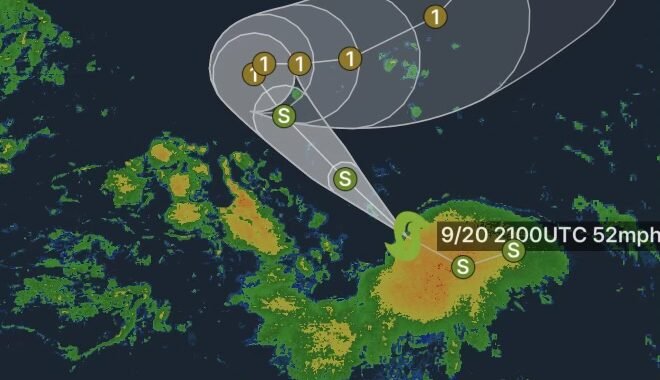
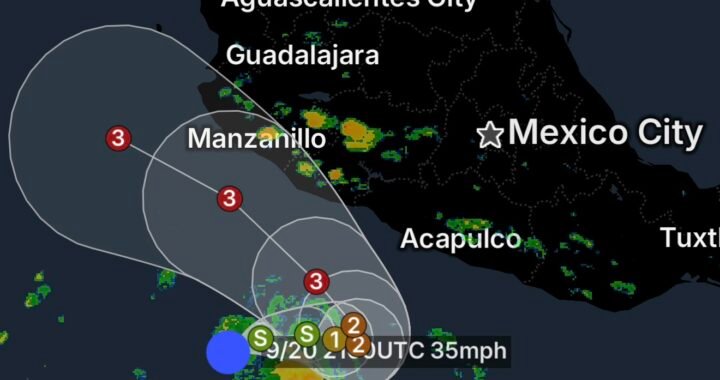
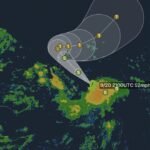
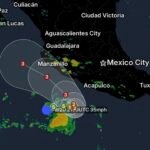
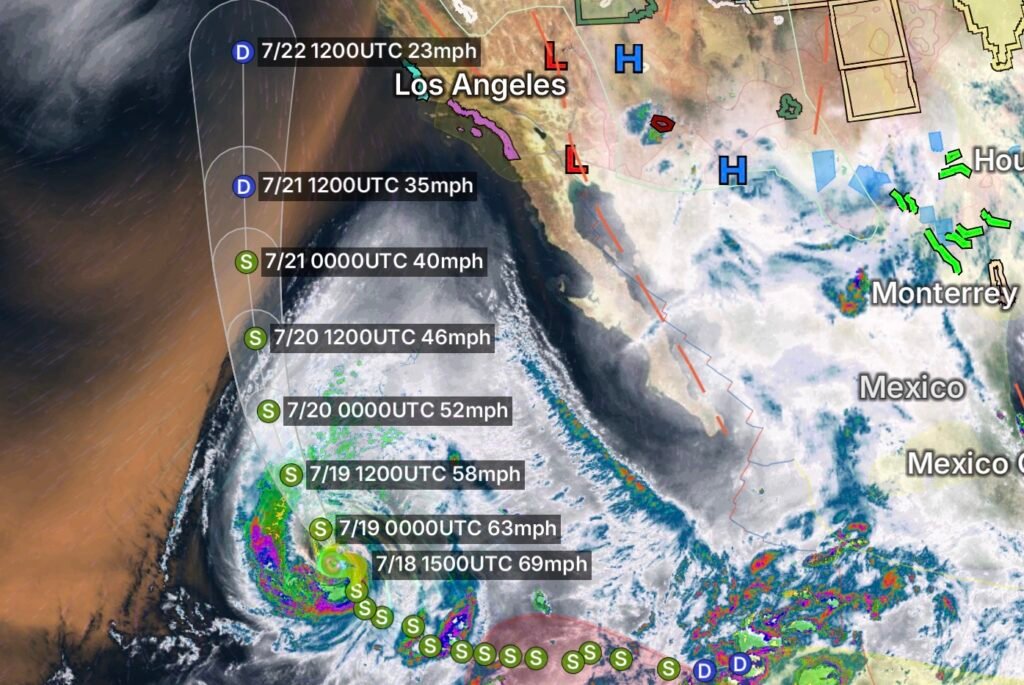
Although Tropical Storm Elida remains hundreds of miles offshore in the Eastern Pacific and is not expected to make landfall in California, the storm is already affecting the state’s coastline by producing long-period ocean swells that travel great distances across the Pacific. These swells are creating hazardous beach conditions despite the storm remaining far from land.
The National Weather Service has issued High Surf Advisories and Beach Hazards Statements for portions of the California coast as increasing wave heights and dangerous rip currents develop. South-facing beaches are expected to experience the greatest impacts due to the direction of the swell generated by Elida.
Why an Offshore Tropical Storm Can Impact California
Many people assume tropical storms only create hazards near their center. In reality, powerful tropical cyclones generate long-period swells that can travel over a thousand miles before reaching shore.
As these swells arrive along California’s coastline, they can produce:
- Large breaking waves
- Powerful rip currents
- Strong shore break
- Sneaker waves
- Localized beach erosion
- Dangerous conditions near jetties, piers, and rocky shorelines
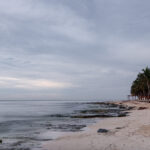
These hazards often occur even under sunny skies, making the ocean far more dangerous than it appears.
Areas Most Likely to Experience Impacts
Current forecasts indicate the greatest impacts will occur along many south-facing beaches in Southern California, including portions of:
- Ventura County
- Los Angeles County
- Malibu Coast
- Orange County
- San Diego County
- Santa Barbara County
Wave heights may become significantly larger than normal, especially during periods of high tide when coastal flooding and beach erosion become more likely.
What Beachgoers Need to Know
Even experienced swimmers can quickly become overwhelmed by rip currents generated by long-period tropical swells.
Residents and visitors should:
- Stay out of the water if beaches are closed or lifeguards advise against swimming.
- Never turn your back on the ocean.
- Keep children well away from the surf zone.
- Avoid climbing on rocks, jetties, and breakwaters where waves can suddenly wash over them.
- Check local surf and beach conditions before visiting the coast.
If caught in a rip current:
- Stay calm.
- Do not swim directly toward shore against the current.
- Swim parallel to the shoreline until free of the current.
- Float if necessary and signal for help.
Could Elida Bring Rain to California?
Forecast confidence remains lower regarding any rainfall impacts.
Some weather models suggest moisture from Elida could eventually be drawn northward by an approaching weather system, potentially increasing humidity, cloud cover, and even producing isolated showers or thunderstorms in parts of California early next week. Other forecast scenarios keep most of the moisture well offshore.
What Coastal Communities Should Expect
While damaging tropical storm winds are not forecast for California, coastal communities should prepare for several days of elevated surf conditions.
Potential impacts include:
- Dangerous swimming conditions
- Increased water rescues
- Coastal erosion
- Beach flooding during high tides
- Hazardous conditions for surfers and paddleboarders
- Strong currents around harbors and jetties
Emergency managers urge residents to respect posted warnings, monitor local forecasts, and avoid unnecessary risks along the shoreline while hazardous surf persists.
Final Thoughts
Tropical Storm Elida serves as a reminder that a tropical cyclone does not need to strike California directly to create dangerous coastal conditions. Long-period swells can transform otherwise calm beaches into hazardous environments with little warning. As High Surf Advisories and Beach Hazards Statements remain in effect, residents and visitors should stay informed, heed guidance from local officials, and use extra caution along the coast until surf conditions improve.
Radar Watch HQ Top 5 Marine Essentials
Affiliate Disclosure: As an Amazon Associate, Radar Watch HQ earns from qualifying purchases.
🌊 1. U.S. Coast Guard-Approved Life Jacket
A properly fitted life jacket is the most important piece of safety equipment for every passenger onboard.
Best for: Recreational boaters, anglers, kayakers, and paddleboarders.
⚓ 2. Marine Emergency Radio (NOAA Weather Radio)
Receive real-time NOAA Weather Radio alerts, marine forecasts, and emergency warnings—even when cell service is unavailable.
Best for: Offshore and coastal boating.
🔦 3. Rechargeable Waterproof LED Flashlight
A bright waterproof flashlight is essential for emergencies, low visibility, nighttime navigation, and signaling for help.
Best for: Every boat emergency kit.
🧰 4. Marine First Aid Kit
A waterproof first aid kit stocked with bandages, antiseptic, medications, and emergency supplies for injuries on the water.
Best for: Every vessel, regardless of size.
🧭 5. Waterproof Dry Bag
Protect phones, wallets, charts, keys, electronics, and emergency supplies from water damage during storms or rough seas.
Best for: Boaters, kayakers, paddleboarders, and beachgoers.
🛒 Radar Watch HQ Marine Safety Picks
Prepare before you head out on the water. Our recommended marine safety essentials can help keep you and your crew safe during changing weather conditions.