


Very Steep Seas Possible Along the Southern Oregon and Northern California Coast
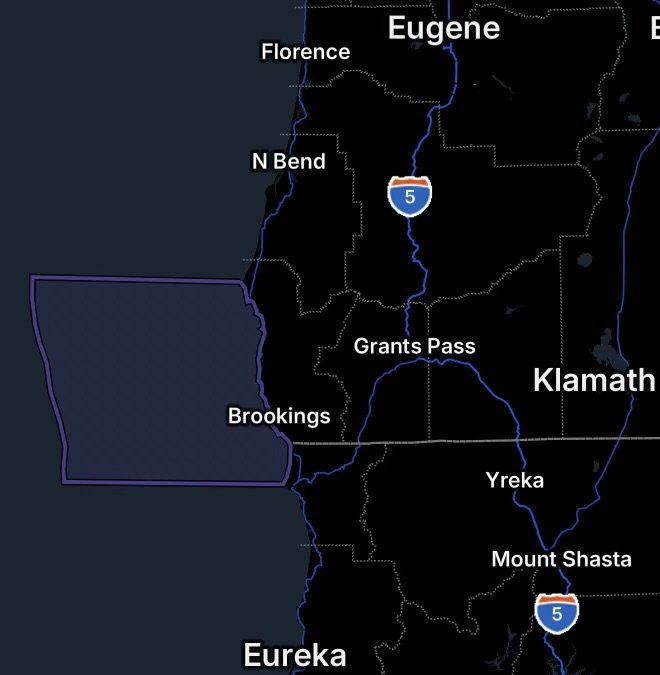
A Hazardous Seas Watch is highlighting the potential for very steep and hazardous seas along a section of the Southern Oregon and Northern California coastline. The area of greatest concern is south of Gold Beach, where changing marine conditions could create dangerous waves and difficult conditions for vessels.
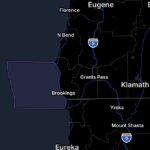
The watch includes coastal waters extending from Cape Blanco, Oregon, to Point St. George, California, both within 10 nautical miles of the coast and farther offshore from 10 to 60 nautical miles.
Where the Hazardous Seas Watch Applies
The marine areas included in the watch are:
- Coastal waters from Cape Blanco, Oregon, to Point St. George, California, out to 10 nautical miles
- Waters from Cape Blanco, Oregon, to Point St. George, California, from 10 to 60 nautical miles offshore
The highlighted threat is very steep and hazardous seas, particularly south of Gold Beach.
This portion of the Pacific coast can become challenging quickly when stronger winds and ocean swells combine. Steep waves can make vessel movement uncomfortable and unpredictable, while conditions farther offshore can become especially difficult for smaller boats.
Why Steep Seas Matter
Steep seas are more than simply large waves. The spacing and shape of the waves can cause vessels to pitch, roll and pound heavily.
When seas become steep, mariners may experience:
- Difficult navigation and vessel handling
- Heavy rolling and pitching
- Reduced stability for smaller vessels
- Waves breaking over decks
- Increased risk of capsizing
- Difficult conditions for inexperienced boaters
- Dangerous conditions when entering or leaving coastal areas
The National Weather Service’s marine guidance emphasizes that hazardous seas can create serious risks for vessels, particularly when waves become steep and conditions deteriorate. (National Weather Service)
Conditions Along the Southern Oregon Coast
Marine forecasts for waters near Cape Blanco have shown northerly winds and seas around 5 feet, with higher seas developing at times farther into the forecast period. (Marine Weather)
The Hazardous Seas Watch specifically calls attention to the potential for very steep seas south of Gold Beach, making the watch an important heads-up for anyone planning to travel through these waters.
Conditions can vary significantly between protected nearshore waters and the open ocean. Mariners should check the latest marine forecast, observations and warnings before departing.
Conditions Offshore
The 10-to-60-nautical-mile waters are particularly important because conditions can become more challenging farther from shore.
Once offshore, mariners have fewer opportunities to quickly reach a protected harbor if conditions deteriorate. Stronger winds, larger swell and steep wave faces can also make returning to shore more difficult.
Anyone operating in these waters should consider the capabilities of their vessel, the experience of everyone aboard and the latest marine forecast before heading offshore.
Boating Safety
If hazardous seas are expected, mariners should carefully evaluate whether the trip should proceed.
Those already on the water should:
- Monitor updated National Weather Service marine information.
- Keep a close watch on changing wind and wave conditions.
- Secure loose equipment and gear.
- Wear properly fitted life jackets.
- Avoid unnecessary travel into areas experiencing rapidly worsening seas.
- Maintain a safe speed appropriate for the conditions.
- Give breaking waves, shoals and hazardous coastal areas additional space.
- Be prepared to alter course or seek safe harbor if conditions deteriorate.
Small boats can be especially vulnerable when waves become steep and closely spaced. A vessel that handles comfortably in moderate seas can become difficult to control as conditions worsen.
What Mariners Should Know
The Hazardous Seas Watch is a heads-up for the potential development of dangerous marine conditions, not a guarantee that every location within the watch area will experience the same severity.
Conditions can change rapidly along the Pacific coast. Mariners should continue monitoring official updates as the situation develops and check the latest information immediately before departure.
For anyone traveling between Cape Blanco and Point St. George, the possibility of very steep and hazardous seas south of Gold Beach deserves particular attention.
Stay informed, know the limits of your vessel, and put safety first when hazardous marine conditions are possible.
Radar Watch HQ will continue to follow the latest marine weather information and provide updates as conditions change.