



Extreme Heat Warning and Air Quality Alert in Arizona: How Monsoon Season Impacts Heat
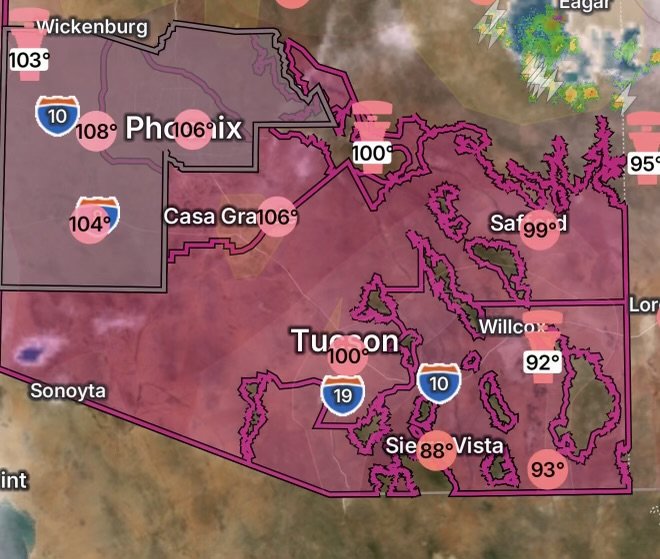
Arizona is facing dangerous weather conditions on July 24, 2026, as the National Weather Service has issued Extreme Heat Warnings across much of southern and south-central Arizona. At the same time, an Air Quality Alert remains in effect for Maricopa County, including the Phoenix Metro Area, where elevated ozone levels could create unhealthy conditions for sensitive groups.
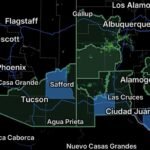
The warnings include Eastern Cochise County, the Upper San Pedro River Valley, Upper Santa Cruz River Valley/Altar Valley, Southeast Pinal County, the Tohono O’odham Nation, Tucson Metro Area, Upper Gila River Valley, Western Pima County, and surrounding portions of south-central Arizona.
Why Is It So Hot During Monsoon Season?
Many people associate monsoon season with rain and cooler temperatures, but the beginning of Arizona’s monsoon often produces some of the hottest weather of the year.
Before widespread thunderstorms develop, a strong ridge of high pressure settles over the Southwest. This high-pressure system causes air to sink, compress, and warm, leading to dangerously high afternoon temperatures. While moisture gradually increases, it also raises humidity levels, making it harder for sweat to evaporate and cool the body.
As a result, the heat index—or “feels-like” temperature—can become even more dangerous than the actual air temperature.
How Monsoon Moisture Changes the Weather
Monsoon moisture plays two important roles:
- Increased humidity raises the risk of heat-related illnesses.
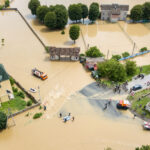
- Moisture fuels afternoon and evening thunderstorms capable of producing heavy rainfall, lightning, strong wind gusts, blowing dust, and flash flooding.
Until widespread storms develop, the combination of intense sunshine, high humidity, and light winds can create extremely hazardous outdoor conditions.
Air Quality Alert for Phoenix Metro
An Air Quality Alert remains in effect for Maricopa County and the Phoenix Metro Area due to elevated ozone pollution.
Extreme heat accelerates the chemical reactions that produce ground-level ozone. Light winds associated with high-pressure systems allow pollutants to accumulate, leading to reduced air quality.
Individuals most at risk include:
- Children
- Older adults
- People with asthma or other respiratory illnesses
- Anyone spending extended time outdoors
Residents should limit strenuous outdoor activities during the afternoon and evening when ozone concentrations are typically highest.
Heat Safety Tips
During an Extreme Heat Warning:
- Drink plenty of water throughout the day.
- Avoid outdoor activities during peak afternoon heat.
- Wear lightweight, light-colored clothing.
- Never leave children or pets inside parked vehicles.
- Check on elderly neighbors and vulnerable family members.
- Take frequent breaks in air-conditioned buildings if working outside.
Looking Ahead
Arizona’s monsoon pattern is expected to continue evolving over the coming days. While increasing moisture may lead to more thunderstorms across southern Arizona, dangerous heat will likely persist until widespread cloud cover and rainfall become more frequent.
Residents should continue monitoring forecasts for additional Extreme Heat Warnings, Flash Flood Warnings, Dust Storm Warnings, and Air Quality Alerts as monsoon activity increases across the region.
Stay with Radar Watch HQ for the latest weather updates, heat safety information, air quality reports, and severe weather coverage across Arizona and the United States.
Radar Watch HQ Top 5 Essentials for Extreme Heat
Affiliate Disclosure: As an Amazon Associate, Radar Watch HQ earns from qualifying purchases.
When an Extreme Heat Watch or Heat Advisory is in effect, having the right gear can help you stay safer and more comfortable.
A compact, battery-powered fan provides cooling while traveling, working outdoors, waiting at events, or during power outages.
2. Insulated Water Bottle or Tumbler
A high-quality insulated bottle or cup keeps water cold for hours, making it easier to stay hydrated throughout the day.
A handheld misting fan or spray bottle delivers instant cooling by combining fine water mist with airflow.
Portable air conditioners, evaporative coolers (where appropriate), or high-performance tower fans can help reduce indoor temperatures during dangerous heat.
5. Electrolyte Hydration Packets or Drinks
Electrolyte supplements help replace minerals lost through heavy sweating and support hydration during prolonged heat exposure.