





Extreme Heat Warning Issued for Antelope Valley as Southern California Faces Multiple Weather Hazards
Southern California is experiencing a widespread weather threat as an Extreme Heat Warning impacts the Antelope Valley, while additional alerts remain active for air quality, coastal flooding, dangerous surf, and excessive heat across Los Angeles and Ventura County communities.
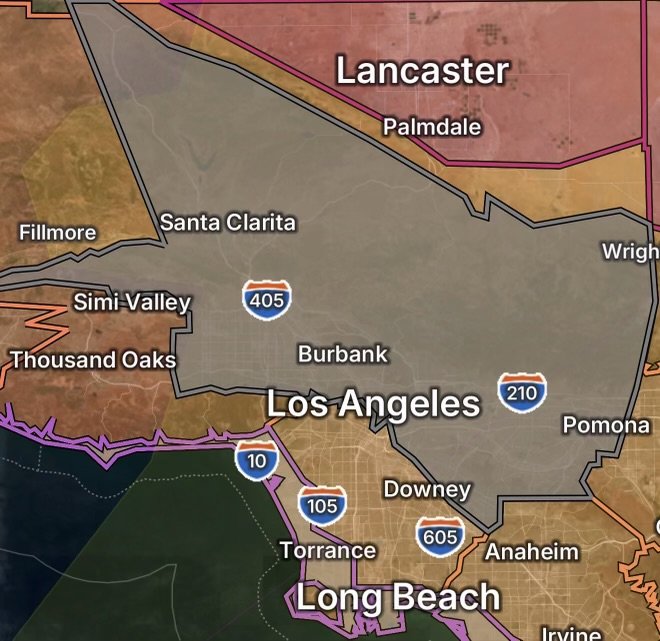
The National Weather Service has issued an Extreme Heat Warning for the Antelope Valley, including areas such as Palmdale, Lancaster, and Lake Los Angeles, where temperatures are expected to reach dangerous levels. Forecast conditions include highs around 100 to 108 degrees, with limited overnight cooling increasing the risk of heat-related illness.
Residents across Southern California should prepare for prolonged heat exposure, especially vulnerable populations including older adults, young children, outdoor workers, and anyone without access to reliable cooling.
Antelope Valley Extreme Heat Warning: Dangerous Temperatures Continue
The Antelope Valley will experience some of the most dangerous heat conditions in the region. Extreme temperatures combined with warm overnight lows can prevent the body from recovering after daytime heat exposure.
Heat Safety Recommendations
During extreme heat:
- Drink plenty of water before feeling thirsty
- Avoid strenuous outdoor activities during the hottest afternoon hours
- Wear lightweight, loose-fitting clothing
- Check on elderly neighbors and family members
- Never leave children or pets inside vehicles
- Use air conditioning or visit cooling centers if needed
Heat exhaustion and heat stroke can develop quickly. Symptoms such as dizziness, confusion, rapid heartbeat, or fainting require immediate attention.
Air Quality Alert Impacts South Coast Air Basin and Coachella Valley
Along with extreme heat, portions of Southern California are dealing with reduced air quality concerns. The South Coast Air Basin and Coachella Valley remain areas where residents should monitor air conditions, especially those sensitive to pollution.
Hot weather can worsen ozone formation, while smoke, dust, and fine particles can create additional health concerns.
Sensitive groups should consider:
- Limiting prolonged outdoor activity
- Keeping windows closed when air quality declines
- Using indoor air filtration when possible
- Monitoring official air quality updates
People with asthma, heart conditions, respiratory illnesses, older adults, and children may experience greater impacts during poor air quality events.
Heat Advisory Expands Across Southwest California
A Heat Advisory continues across portions of Southwest California, including coastal areas where temperatures may not reach desert levels but humidity and warm overnight conditions can still create dangerous heat stress.
The National Weather Service has warned that coastal communities, including Ventura County Beaches, Malibu Coast, and Los Angeles County Beaches, may experience unusually warm conditions with increased heat illness risk.
Even moderate temperatures can become dangerous when:
- Overnight temperatures remain elevated
- Humidity increases
- People spend extended time outdoors
Beach Hazards Statement: Dangerous Surf and Rip Currents Along Southern California Coast
Beachgoers from Ventura County Beaches to the Malibu Coast and Los Angeles County Beaches should use extra caution as hazardous ocean conditions continue.
A Beach Hazards Statement highlights:
- Breaking waves
- Dangerous rip currents
- Increased drowning risk
- Hazardous swimming conditions
The National Weather Service reported breaking waves around 3 to 6 feet and warned that rip currents could pull swimmers away from shore.
Beach safety tips:
- Swim near lifeguard towers
- Avoid entering the water during hazardous conditions
- Stay away from rocks, jetties, and exposed coastal areas
- Never underestimate the strength of rip currents
Coastal Flood Advisory and High Surf Advisory Concerns
Coastal communities may also experience impacts from elevated surf and coastal water conditions.
A combination of:
- Larger waves
- Strong surf currents
- High tides
- Coastal flooding concerns
can create dangerous conditions along beaches and low-lying coastal areas.
Residents and visitors should avoid walking near areas where waves can suddenly surge onto shore, especially around rocks, piers, and coastal walkways.
Multiple Weather Threats Create Dangerous Southern California Conditions
Southern California is facing a complex weather situation with several hazards occurring at the same time:
- Extreme Heat Warning in the Antelope Valley
- Air Quality Alert concerns across the South Coast Air Basin and Coachella Valley
- Heat Advisory across Southwest California
- Beach Hazards Statement along Ventura County, Malibu, and Los Angeles beaches
- Coastal flooding concerns
- High surf dangers
These combined hazards create risks for inland residents, outdoor workers, travelers, and beach visitors.
Stay Weather Aware With Radar Watch HQ
Extreme heat, air quality concerns, and coastal hazards can change quickly. Continue monitoring official weather alerts, local emergency information, and updated forecasts throughout the day.
Stay prepared, stay informed, and stay weather aware. Follow Radar Watch HQ for the latest severe weather alerts, forecasts, and safety updates across the United States.
Radar Watch HQ Top 5 Essentials for Extreme Heat
Affiliate Disclosure: As an Amazon Associate, Radar Watch HQ earns from qualifying purchases.
When an Extreme Heat Watch or Heat Advisory is in effect, having the right gear can help you stay safer and more comfortable.
A compact, battery-powered fan provides cooling while traveling, working outdoors, waiting at events, or during power outages.
2. Insulated Water Bottle or Tumbler
A high-quality insulated bottle or cup keeps water cold for hours, making it easier to stay hydrated throughout the day.
A handheld misting fan or spray bottle delivers instant cooling by combining fine water mist with airflow.
Portable air conditioners, evaporative coolers (where appropriate), or high-performance tower fans can help reduce indoor temperatures during dangerous heat.
5. Electrolyte Hydration Packets or Drinks
Electrolyte supplements help replace minerals lost through heavy sweating and support hydration during prolonged heat exposure.