
Cleaner Air Returns to Many States While Smoke and Pollution Continue to Impact Others
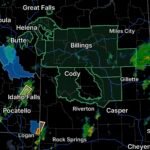
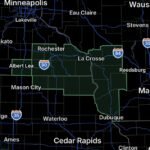
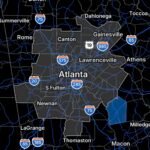
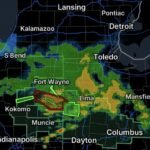
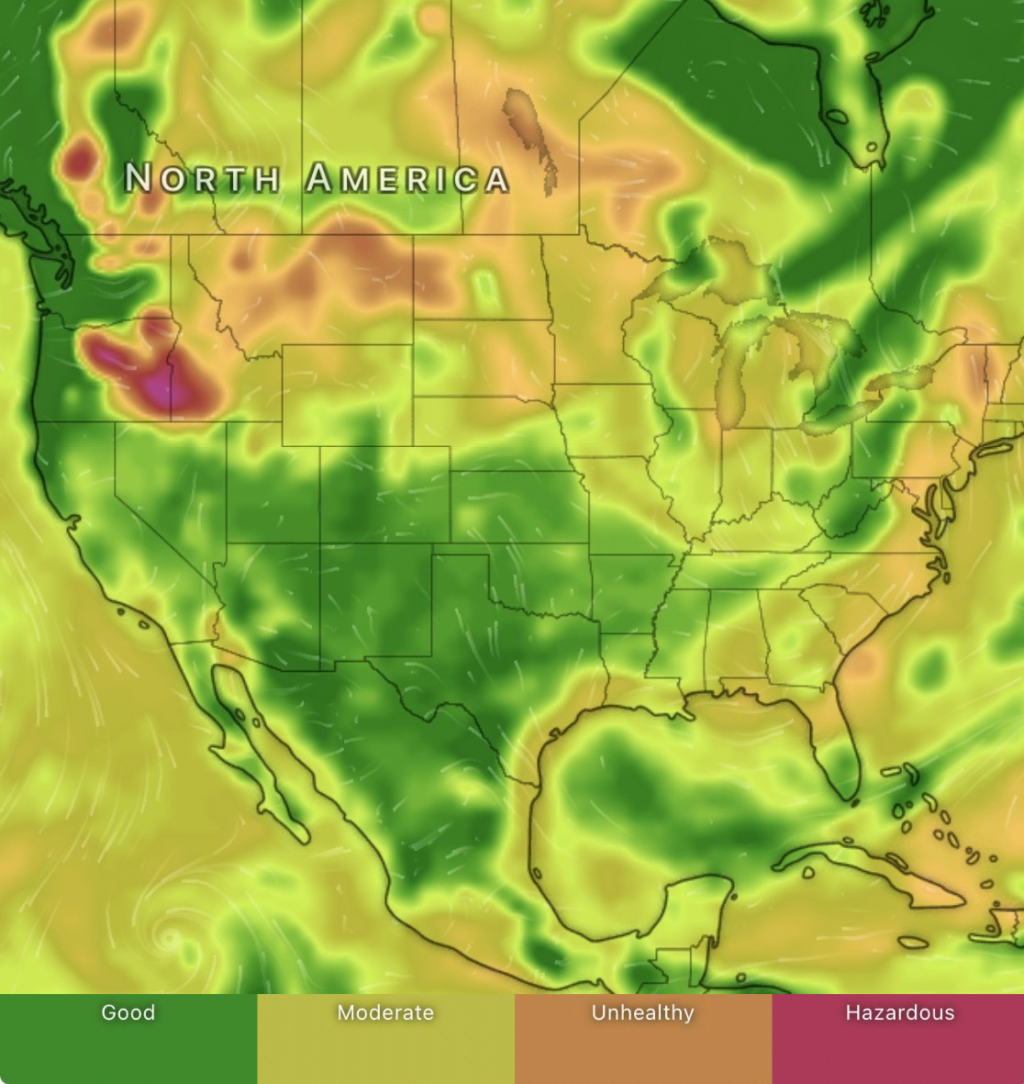
Air quality across the United States is constantly changing, and today’s map shows a mix of encouraging improvements and areas that continue to struggle with poor air conditions. While many states are enjoying cleaner, healthier air compared to recent days, other regions remain under elevated pollution levels due to wildfire smoke, stagnant weather patterns, ozone, and localized pollution.
The good news is that air quality is not static. As weather systems move across the country, wind direction shifts, cold fronts pass through, and rainfall helps remove pollutants from the atmosphere, conditions can improve quickly in some areas while deteriorating in others.
Why Air Quality Changes Every Day
Several weather factors determine how clean—or polluted—the air becomes:
- Wind can carry wildfire smoke hundreds or even thousands of miles.
- Rain helps wash airborne particles out of the atmosphere, improving visibility and air quality.
- High temperatures and strong sunshine increase ground-level ozone production during the summer.
- Stagnant high-pressure systems trap pollutants near the surface, allowing unhealthy air to build.
- Cold fronts often improve conditions by increasing air movement and mixing cleaner air into affected regions.
Because these weather patterns evolve daily, air quality forecasts can change dramatically from one day to the next.
Areas Seeing Improvement
Large portions of the country are experiencing cleaner air as recent weather systems have helped disperse smoke and pollution. Many communities that dealt with hazy skies earlier are now reporting improved visibility and healthier breathing conditions.
Residents in these areas can generally expect better outdoor conditions, though localized pollution may still develop during the hottest part of the afternoon.
Areas Still Experiencing Poor Air Quality
Not every region has seen improvement. Some states continue to experience reduced air quality from wildfire smoke drifting across state lines, elevated ozone levels during the afternoon, or stagnant weather that traps pollutants close to the ground.
Sensitive groups—including children, older adults, people with asthma, heart disease, or other respiratory conditions—should continue monitoring local air quality forecasts before spending extended time outdoors.
Weather Will Continue to Drive Air Quality
Over the next several days, shifting weather systems will continue changing air quality across the country. Areas with improving conditions today could see new smoke or pollution arrive tomorrow, while regions currently experiencing unhealthy air may benefit from changing wind patterns or rainfall.
This is why checking the daily air quality forecast is just as important as checking the weather forecast during the summer months.
How to Protect Yourself
If air quality becomes unhealthy in your area:
- Limit prolonged outdoor activity, especially strenuous exercise.
- Keep windows and doors closed if smoke or pollution levels rise.
- Use air conditioning on recirculation mode when possible.
- Consider using a HEPA air purifier indoors.
- Wear a properly fitted N95 respirator if you must spend extended time outdoors during heavy smoke events.
- Stay hydrated and monitor local air quality updates throughout the day.
Final Thoughts
Air quality across the United States remains highly dynamic. While today’s outlook shows welcome improvements across many states, other regions continue to battle smoke and pollution that can change with little notice. As weather patterns evolve, so will air quality conditions, making daily monitoring an important part of staying safe during the summer.
Stay informed with Radar Watch HQ for the latest air quality updates, severe weather coverage, wildfire smoke tracking, and nationwide forecast discussions.
Radar Watch HQ Air Quality Essentials
Affiliate Disclosure: As an Amazon Associate, Radar Watch HQ earns from qualifying purchases.
- HEPA Air Purifier – Helps remove smoke, dust, pollen, and fine particulate matter (PM2.5) from indoor air.
- N95 Respirator Masks – Provides added protection when outdoor air quality reaches unhealthy levels.
- Portable Air Quality Monitor – Tracks indoor PM2.5, AQI, temperature, and humidity in real time.
- Replacement HEPA Air Filters – Keep home HVAC systems and air purifiers operating efficiently during extended air quality events.
- Portable Battery Power Station – Keeps air purifiers, fans, phones, and other essential devices powered during outages caused by severe weather or wildfire-related emergencies.