








Humidity Levels Across the United States on July
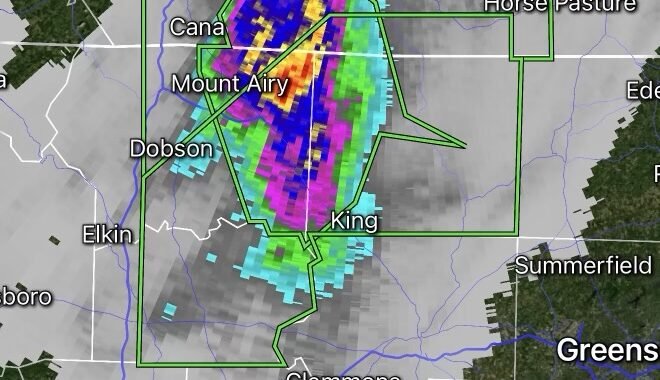
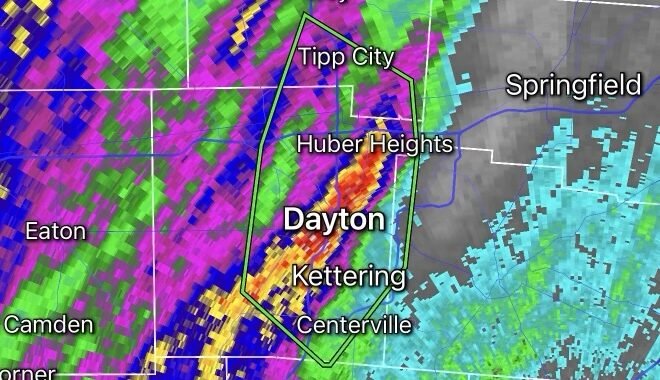
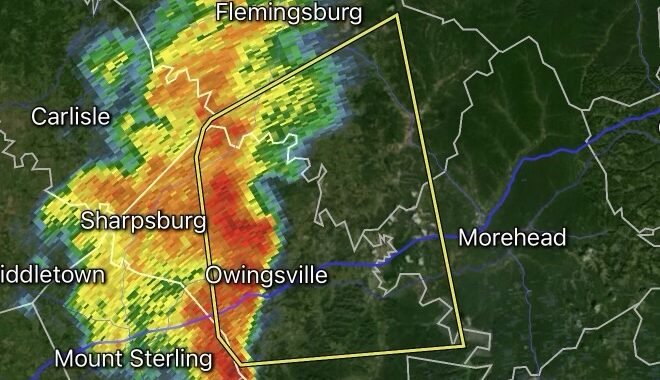
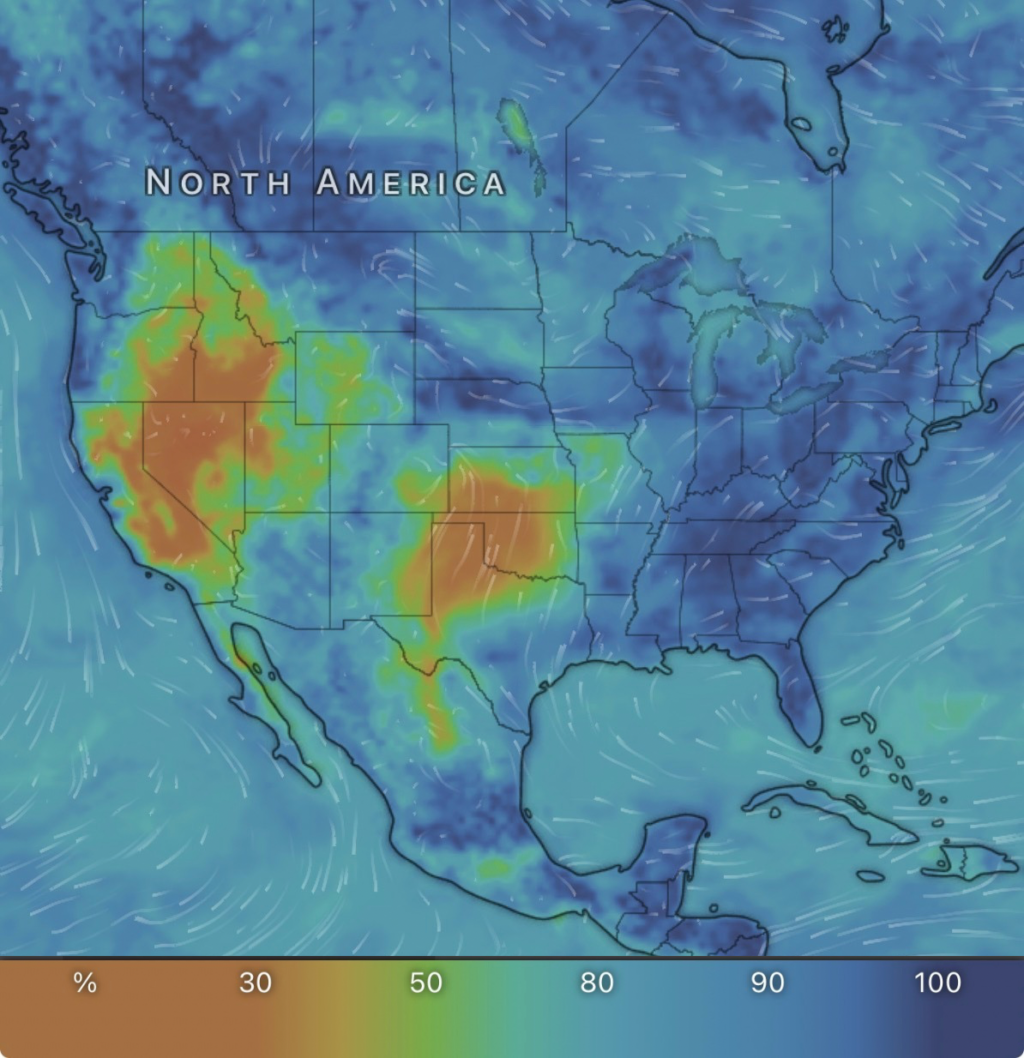
Humidity remains one of the biggest weather stories across the United States today as millions of Americans experience dangerous heat index values, while others enjoy noticeably drier conditions. The combination of persistent heat domes, Gulf moisture, and recent tropical activity has created significant regional differences in humidity levels.
Across the Gulf Coast, Southeast, and portions of the Mid-Atlantic, abundant moisture continues to produce oppressive humidity, causing temperatures to feel much hotter than the actual air temperature. Heat index values above 100°F are common in many communities, increasing the risk of heat-related illnesses. Recent forecasts indicate that high humidity continues to amplify dangerous heat across much of the southern United States. (Houston Chronicle)
Meanwhile, much of the Northern Plains and interior West continue to experience much drier air despite the ongoing heat, allowing overnight temperatures to cool more efficiently than in the humid eastern half of the country.
Did Recent Tropical Developments Affect Today’s Humidity?
The answer is yes—but only in certain regions.
Recent tropical systems and post-tropical moisture have helped transport additional moisture into portions of the southern United States and the Southwest. Tropical moisture has contributed to higher dew points, increased cloud cover, and localized heavy rainfall in some areas while also making the air feel significantly more humid.
However, not every humid region is being affected directly by tropical activity.
Areas Seeing Tropical Influence
- Gulf Coast states continue receiving abundant Gulf moisture.
- Portions of Texas have seen increased moisture associated with nearby tropical systems.
- The Desert Southwest continues to receive periods of monsoonal moisture, which can also be enhanced by tropical disturbances moving north from the eastern Pacific. (San Antonio Express-News)
Areas Where Tropical Systems Have Little Impact
Many areas of the Midwest, Great Lakes, Northeast, and Mid-Atlantic are experiencing high humidity primarily because of strong southerly winds pulling moisture northward from the Gulf of Mexico ahead of weather systems—not because a tropical cyclone is directly affecting them.
Likewise, portions of California recently experienced elevated humidity from the remnants of tropical moisture, but much of that influence has diminished as more typical summer weather returned in many coastal locations. (San Francisco Chronicle)
Current National Weather Pattern
Several weather features are combining to shape today’s humidity across America:
- A persistent heat dome remains over much of the central and southern United States.
- Gulf moisture continues flowing northward into the Plains, Mississippi Valley, and eastern states.
- Monsoonal moisture is supporting higher humidity across parts of the Southwest.
- Active storm systems across the Northeast are utilizing abundant atmospheric moisture, increasing the risk of heavy rainfall and flash flooding. (The Guardian)
Why High Humidity Matters
High humidity affects much more than comfort. Elevated moisture levels reduce the body’s ability to cool through evaporation, causing heat index values to climb well above actual temperatures.
Potential impacts include:
- Increased risk of heat exhaustion and heat stroke.
- Dangerous overnight temperatures that limit cooling.
- More fuel for thunderstorms capable of producing heavy rainfall.
- Greater likelihood of localized flash flooding where storms repeatedly develop.
Looking Ahead
Humidity is expected to remain elevated across much of the southern and eastern United States through the remainder of the week. While tropical developments may continue to influence localized moisture patterns, the overall weather pattern will remain dominated by Gulf moisture, persistent heat, and summertime atmospheric conditions. Additional tropical activity later in the season could further modify humidity levels depending on storm tracks and moisture transport. (Houston Chronicle)
Stay with Radar Watch HQ for the latest national weather updates, tropical developments, severe weather alerts, and daily forecast coverage as conditions continue to evolve across the United States.