

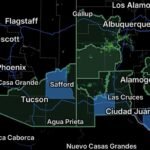
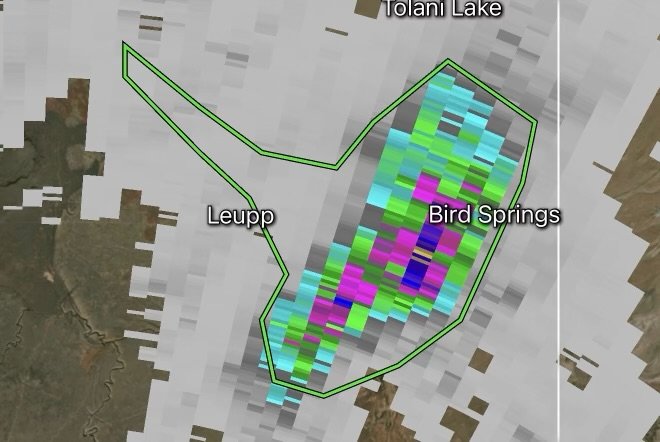
Navigating the Danger: Flash Flood Warnings in Coconino County During Monsoon Season
Arizona’s monsoon season brings a dramatic shift in weather, transforming dry landscapes into roaring torrents within minutes. For residents and visitors in Coconino County—encompassing Flagstaff, major burn scars, and parts of the Grand Canyon—the beauty of summer thunderstorms often comes hand-in-hand with severe weather threats.
Understanding how to respond to a Flash Flood Warning can mean the difference between safety and disaster.
Why Coconino County is Uniquely Vulnerable
The geography and recent history of Northern Arizona make flash flooding one of the region’s most dangerous natural hazards.
Burn Scars and Altered Landscapes: Previous wildfires (such as the Pipeline, Museum, and Dragon Bravo fire scars) stripped the soil of vegetation, drastically reducing its ability to absorb water.
Rapid Runoff: Monsoon storms drop intense volumes of rain in short bursts. On a burn scar or hardpan soil, this creates instantaneous, high-velocity runoff that surges down washes and creeks.
Remote Terrain: Many high-risk areas, including popular hiking routes and campgrounds along the Colorado River and canyon basins, have limited cellular coverage, making early awareness critical.
Understanding National Weather Service (NWS) Alerts
When storms strike, knowing the terminology helps you act swiftly:
1. Flash Flood Watch: Conditions are favorable for flash flooding. Stay alert and review your emergency plans.
2. Flash Flood Warning: Flash flooding is imminent or occurring. Take action immediately. Move to higher ground and avoid low-water crossings.
Essential Survival Tips: What to Do During a Warning
If a Flash Flood Warning is issued for your area in Coconino County, follow these golden rules of flood safety:
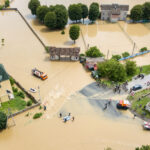
Turn Around, Don’t Drown: Never drive or walk through flooded roadways. Just six inches of moving water can sweep a person off their feet, and a foot of water can carry away a full-sized vehicle.
Heed Evacuation Orders: If local officials or emergency notification systems advise you to evacuate high-risk zones (such as the Schultz or Pipeline flood areas), do so immediately.
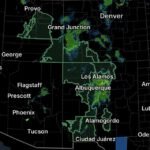
Monitor Trusted Sources: Keep local radar handy and check daily burn scar flood risk assessments via the National Weather Service Flagstaff office or the Coconino County Flood Control District.
Stay Prepared All Season Long
Monsoon season runs through September. Register for the Coconino County Emergency Notification System to receive direct alerts straight to your phone, review your evacuation routes, and keep an emergency kit ready. Stay weather-wise, keep an eye on the skies, and respect the raw power of Arizona flash floods.
Affiliate Disclosure: As an Amazon Associate, Radar Watch HQ earns from qualifying purchases.
Radar Watch HQ Top 5 Essential Emergency Preparedness Picks
Whether you’re preparing for severe thunderstorms, flash flooding, hurricanes, wildfires, or extended power outages, these five emergency essentials can help keep your household safer when severe weather strikes.
A portable power station provides reliable backup electricity during outages, allowing you to power phones, medical devices, laptops, lights, small appliances, and communication equipment without fuel.
Best for:
- Extended power outages
- Severe thunderstorms
- Hurricanes
- Winter storms
- Wildfires
2. Flood Protection Barriers & Sandless Flood Bags
Flood barriers help divert or absorb water before it enters garages, doorways, and low-lying areas. They deploy quickly and can help reduce property damage during flash flooding.
Best for:
- Flash Flood Warnings
- Heavy rainfall
- River flooding
- Coastal flooding
3. Rechargeable LED Flashlights
Bright, dependable flashlights are essential when the power goes out. Rechargeable or solar-powered models provide long-lasting illumination for navigating safely indoors and outdoors.
Best for:
- Overnight power outages
- Emergency evacuations
- Storm damage inspections
Keep phones, tablets, weather radios, and USB-powered devices charged when the electrical grid is unavailable. A solar power bank offers an additional charging option during prolonged emergencies.
Best for:
- Communication during outages
- Emergency weather alerts
- Travel and evacuation
A NOAA Weather Radio delivers official weather alerts directly from the National Weather Service, even when cellular networks or internet service are unavailable. It remains one of the most dependable ways to receive life-saving warnings.
Best for:
- Tornado warnings
- Severe thunderstorm warnings
- Flash flood warnings
- Hurricane alerts
- Winter storm emergencies
Why Radar Watch HQ Recommends These Essentials
At Radar Watch HQ, preparedness is just as important as staying informed. These five emergency essentials can help you stay connected, protect your property, and safely navigate severe weather events. Having supplies ready before storms arrive allows you to respond quickly when warnings are issued and conditions begin to deteriorate.