
















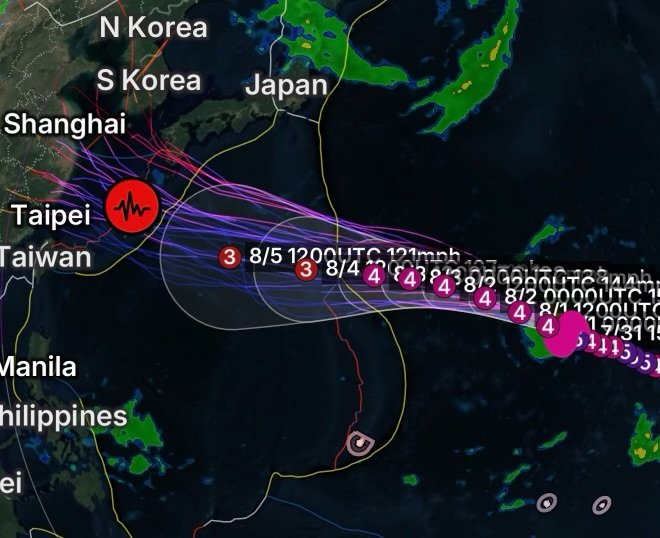
Double Natural Hazard: Category 4 Super Typhoon Dolphin Approaches While Magnitude 4.6 Earthquake Strikes Amagi, Japan
– July 31, 2026
Japan is once again facing a severe test of its resilience as multiple powerful natural hazards converge on the region. Emergency management agencies and meteorological authorities are on high alert following a magnitude 4.6 earthquake near Amagi, which rattled communities just as Super Typhoon Dolphin strengthened into a formidable Category 4-equivalent storm tracking across the Western Pacific.
The compounding nature of these events—combining seismic activity with violent tropical cyclone threats—highlights the constant geological and meteorological vulnerabilities faced by the island nation. Understanding the scope of these hazards is critical for residents and travelers tracking regional developments.
Fast Facts: Japan’s Dual Natural Hazards
Seismic Event: A magnitude 4.6 earthquake struck near Amagi, Japan, sending sharp tremors through local prefectures and reminding residents of the region’s active tectonic faults.
Typhoon Intensity: Super Typhoon Dolphin has aggressively intensified into a powerful Category 4-equivalent system, packing destructive winds and torrential rainfall over open waters.
Primary Concerns: Potential infrastructure strain, landslides from saturated soils, coastal storm surges, and the risk of aftershocks or secondary seismic activity as atmospheric pressure shifts.
Monitoring Agencies: The Japan Meteorological Agency (JMA) and international storm tracking centers are issuing continuous updates regarding the typhoon’s projected trajectory and seismic aftershocks.
Tectonic Shaking: Magnitude 4.6 Earthquake Hits Amagi
While the atmospheric spotlight remains fixed on the approaching tropical system, the earth beneath Japan shifted abruptly with a magnitude 4.6 earthquake centered near Amagi.
Although moderate in scale, earthquakes of this magnitude can produce sharp, localized shaking capable of dislodging loose objects, causing minor structural stress, and triggering rockfalls in mountainous terrain. Because Japan sits along the highly active Pacific Ring of Fire, seismic events are a daily reality; however, when they occur simultaneously with extreme weather threats, emergency responders must divide their focus between structural integrity checks and impending meteorological disasters.
Local officials have urged residents near the epicenter to remain vigilant for potential aftershocks, check gas and water lines for leaks, and secure interior furniture or heavy appliances that could topple during sudden tremors.
Atmospheric Fury: Super Typhoon Dolphin Strengthens to Category 4
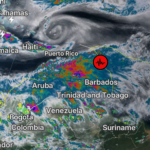
As communities process the seismic activity, an even larger threat looms offshore. Super Typhoon Dolphin has undergone a period of rapid intensification, achieving Category 4-equivalent status on the Saffir-Simpson scale.
Driven by exceptionally warm sea surface temperatures and favorable upper-level outflow, Dolphin has developed a distinct eye and dangerous core winds. Satellite imagery shows powerful spiral rainbands expanding outward, threatening to bring severe coastal impacts, high surf, and torrential downpours to parts of the region as it tracks northwestward.
Core Threats Associated with Super Typhoon Dolphin:
Destructive Wind Gusts: Hurricane-force winds capable of uprooting trees, damaging roof structures, and knocking out regional power grids.
Torrential Rainfall: Massive accumulations of rain that can quickly overwhelm urban drainage systems and trigger flash floods or mudslides in sloping topography.
Dangerous Marine Conditions: High, battering waves and treacherous coastal storm surges that make maritime navigation impossible and threaten shore-side infrastructure.
Safety Checklist: Preparing for Compound Disasters
When earthquakes and severe typhoons strike close together, standard emergency preparedness must be adapted to cover multiple contingencies. Follow these vital safety protocols:
1. Stay Tuned to Official Channels: Keep your smartphone emergency alerts enabled and monitor real-time updates from the Japan Meteorological Agency (JMA) and local municipal broadcast networks.
2. Prepare for Utility Disruptions: Both severe shaking and high winds can cause widespread power outages. Stock up on bottled water, non-perishable food items, flashlights, extra batteries, and fully charged portable power banks.
3. Secure Indoor and Outdoor Spaces: Anchor loose items on balconies or yards that could become projectiles in high winds. Inside your home, ensure heavy objects are secured to prevent them from falling during aftershocks.
4. Know Your Evacuation Routes: Identify designated local shelters and review municipal hazard maps for flood and landslide risks in your specific neighborhood. If local authorities issue evacuation orders, leave immediately without delay.
5. Avoid Coastlines and Mountainous Areas: High surf and storm surges make coastal visits extremely hazardous, while saturated soils combined with seismic aftershocks greatly elevate the risk of sudden landslides in mountainous regions.
Stay safe, stay prepared, and respect the formidable power of nature as Japan navigates this active emergency window.