

Tracking Tropical Storm Genevieve: Open Ocean Fade and Coastal Swells Update (July 31, 2026)
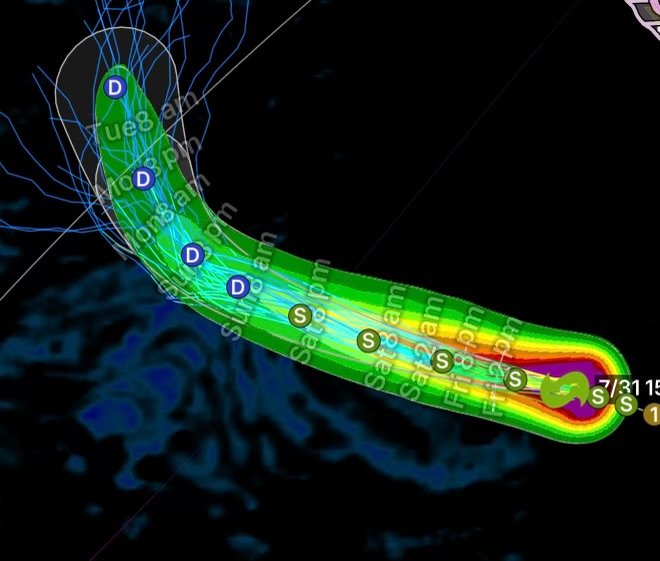
The 2026 Eastern Pacific hurricane season continues to showcase the dramatic lifecycle of tropical cyclones. After its explosive intensification earlier in the week—which briefly made headlines as the season’s first Category 5 hurricane—Tropical Storm Genevieve has changed character. As of July 31, 2026, the system is steadily losing punch while tracking across the open waters of the Eastern North Pacific.
While Genevieve poses no direct wind or rain threats to landmasses, its massive footprint is generating significant marine hazards, sending powerful swells and dangerous rip currents toward coastal communities.
Fast Facts: Tropical Storm Genevieve Status
Current Classification: Tropical Storm (gradually weakening as it moves over cooler waters).
Location: Approximately 1,600+ km (over 1,000 miles) west of the southern tip of Baja California, tracking west-northwestward.
Maximum Sustained Winds: Near 60 mph (50–60 knots) with higher gusts, continuing a downward trend.
Movement: West-northwest at around 13 mph.
Direct Land Threat: None. Genevieve is safely spinning out over the open ocean and is projected to transition into a post-tropical remnant low over the coming days.
The Journey of Genevieve: From Rapid Intensification to Fading Storm
Weather watchers and meteorologists have closely monitored Genevieve throughout its lifecycle. Earlier in the week, fueled by warm ocean temperatures and low vertical wind shear, the system underwent rapid intensification, scaling the Saffir-Simpson Hurricane Wind Scale to peak as a formidable Category 5 storm.
However, tropical systems are deeply sensitive to their environment. As Genevieve curved further out to sea and encountered cooler sea surface temperatures alongside increasing atmospheric shear, the storm began to run out of fuel. National Hurricane Center (NHC) updates indicate that the system has steadily downgraded back into a tropical storm and is expected to continue its gradual decay, eventually degenerating into a remnant low by early next week.
Coastal Impacts: Dangerous Surf and Rip Currents
Even though the center of Tropical Storm Genevieve remains far from land, its expansive wind field has churned up the ocean surface, sending powerful, long-period swells outward across the Pacific.
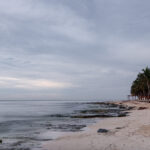
Southern California & Baja Peninsula: Beachgoers, surfers, and mariners along the coastlines of Southern California and the Baja California Peninsula are experiencing elevated surf, heavy shore break, and life-threatening rip currents. These hazardous marine conditions are forecast to linger through the weekend.
Mariners and Shipping: Significant wave heights extending hundreds of miles from the storm’s core continue to create rough seas for commercial and recreational vessels operating in the open Eastern Pacific.
Beach and Marine Safety Checklist
When distant tropical systems generate coastal hazards, respecting the power of the ocean is paramount. Keep these safety rules in mind if you are heading toward the coast:
Check Local Beach Advisories: Always consult local lifeguard services, meteorological updates, and marine forecasts before entering the water.
Respect Warning Flags: Obey double red or high-hazard warning flags at public beaches. If officials close the water to swimming, stay on dry sand.
Know How to Handle Rip Currents: If you are caught in a rip current, do not exhaust yourself trying to swim directly against the pull. Remain calm, float, and swim parallel to the shoreline until you escape the current before heading back to the beach.
Secure Coastal Property: Docked vessels, small watercraft, and loose beach gear should be tightly secured against surging water levels and unexpected wave action.
Stay tuned to official updates from the National Hurricane Center and local weather offices as Tropical Storm Genevieve continues its slow fade over the open Pacific. Stay safe and respect the power of the sea!
Radar Watch HQ Top 5 Marine Essentials
Affiliate Disclosure: As an Amazon Associate, Radar Watch HQ earns from qualifying purchases.
🌊 1. U.S. Coast Guard-Approved Life Jacket
A properly fitted life jacket is the most important piece of safety equipment for every passenger onboard.
Best for: Recreational boaters, anglers, kayakers, and paddleboarders.
⚓ 2. Marine Emergency Radio (NOAA Weather Radio)
Receive real-time NOAA Weather Radio alerts, marine forecasts, and emergency warnings—even when cell service is unavailable.
Best for: Offshore and coastal boating.
🔦 3. Rechargeable Waterproof LED Flashlight
A bright waterproof flashlight is essential for emergencies, low visibility, nighttime navigation, and signaling for help.
Best for: Every boat emergency kit.
🧰 4. Marine First Aid Kit
A waterproof first aid kit stocked with bandages, antiseptic, medications, and emergency supplies for injuries on the water.
Best for: Every vessel, regardless of size.
🧭 5. Waterproof Dry Bag
Protect phones, wallets, charts, keys, electronics, and emergency supplies from water damage during storms or rough seas.
Best for: Boaters, kayakers, paddleboarders, and beachgoers.
🛒 Radar Watch HQ Marine Safety Picks
Prepare before you head out on the water. Our recommended marine safety essentials can help keep you and your crew safe during changing weather conditions.