
Fire Weather Across the United States
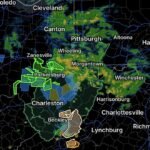
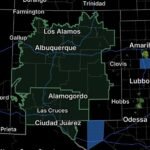
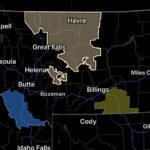
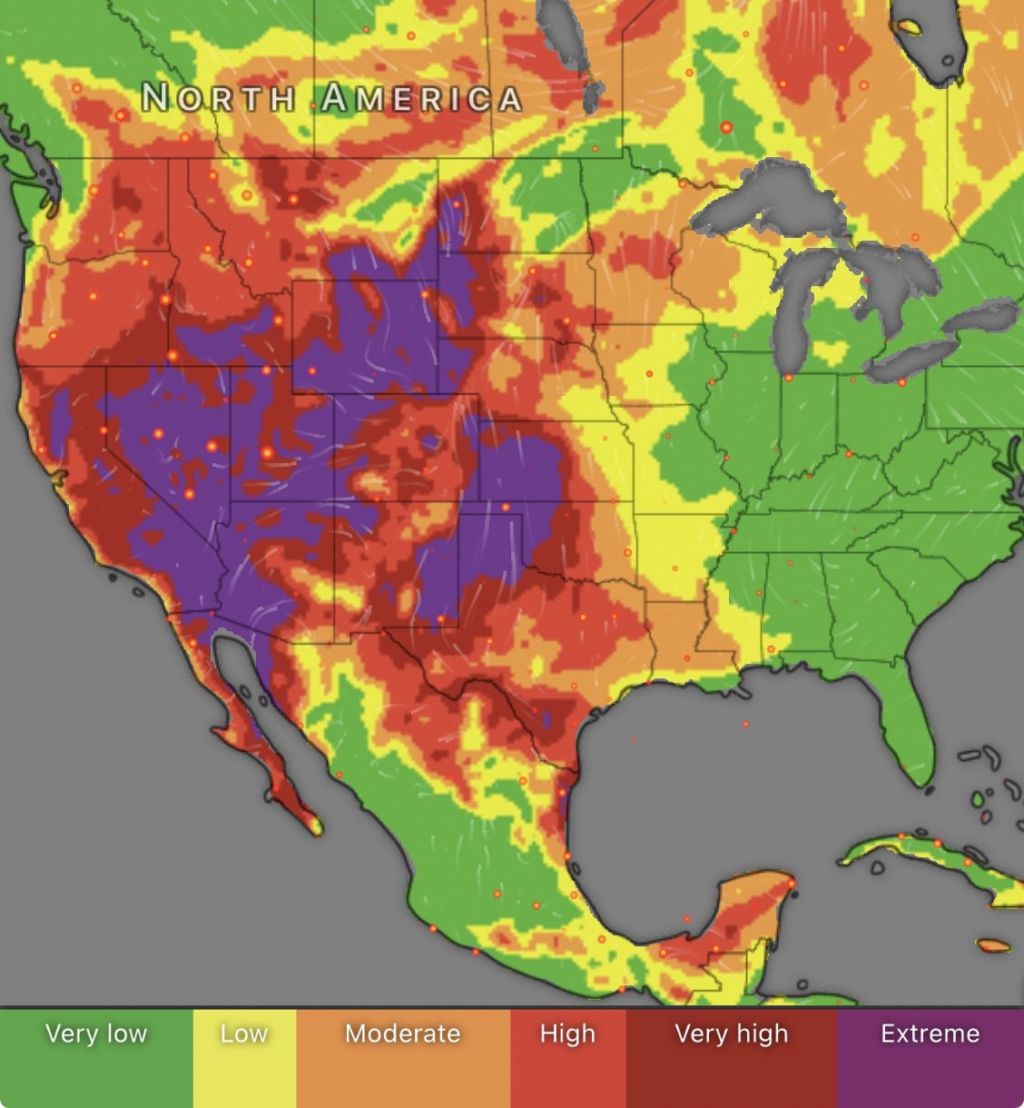
Fire weather conditions continue to be a major concern across parts of the United States as drought, extreme heat, dry vegetation, and changing storm patterns combine to create elevated wildfire risks.
While recent storms have brought beneficial rainfall to some areas, the impacts have been uneven. Some regions have experienced temporary relief, while others remain locked in persistent dryness where vegetation continues to act as fuel for potential wildfires.
Drought Conditions Continue to Influence Fire Risk
Drought remains one of the biggest factors behind ongoing fire weather concerns. Long-term moisture deficits have dried grasses, brush, forests, and agricultural areas, creating conditions where even a small spark can rapidly spread.
The U.S. Drought Monitor tracks drought intensity from abnormally dry conditions through exceptional drought, highlighting areas where moisture shortages are affecting ecosystems, agriculture, and wildfire potential.
Areas facing continued fire concerns include:
- Western United States
- Southwest deserts and mountain regions
- Parts of the Southern Plains
- Areas experiencing persistent heat and below-average rainfall
NOAA drought forecasts indicate that some regions may see drought conditions persist without significant improvement, keeping fire weather concerns elevated.
How Recent Storms Have Changed the Fire Weather Picture
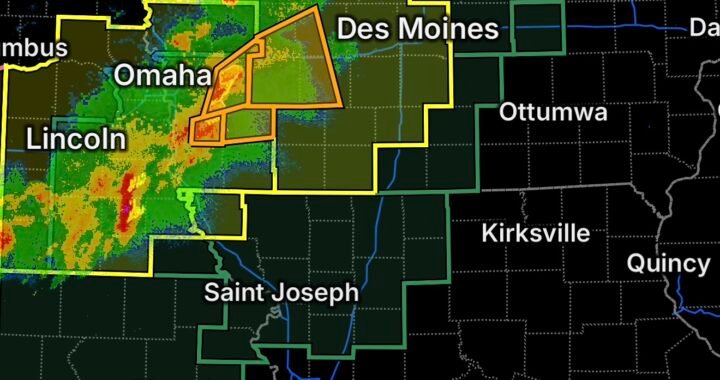
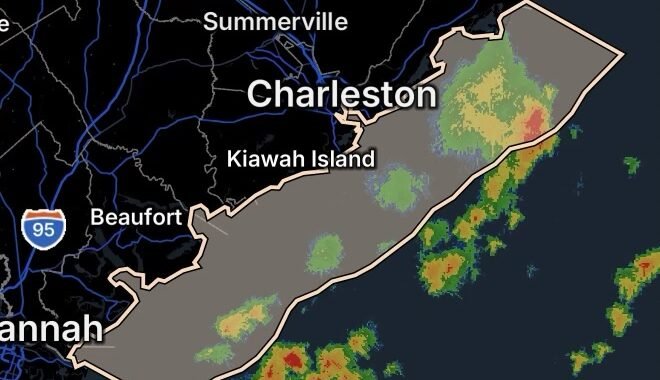
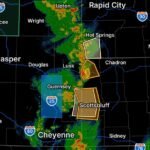
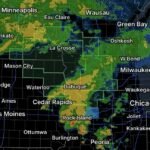
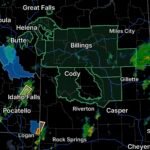
Recent storms have created a complicated weather pattern across the country.
Heavy Rainfall Brings Short-Term Relief
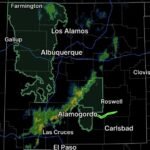
Strong thunderstorms and monsoon moisture have helped increase soil moisture in parts of the Southwest and interior West. However, rainfall does not always eliminate wildfire risk.
Heavy rain can:
- Increase grass and vegetation growth
- Create additional fuels
- Leave behind dry material once temperatures rise again
- Produce lightning that can ignite new fires
Some areas receiving summer storms may experience a temporary decrease in fire danger, but conditions can quickly change during periods of heat, wind, and low humidity.
Western U.S. Fire Weather Threat Remains Elevated
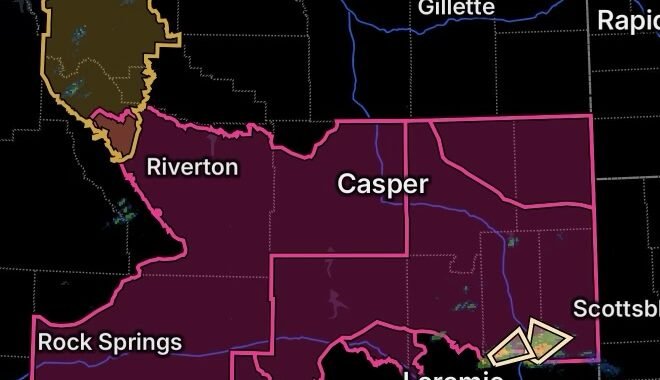
The western United States continues to face dangerous fire weather conditions as heat waves, dry fuels, and drought stress increase wildfire potential.
Recent extreme heat across the West has pushed temperatures to dangerous levels while worsening evaporation and drying vegetation. These conditions have contributed to increased wildfire concerns across parts of the region.
Fire weather risks are especially influenced by:
- High temperatures
- Strong winds
- Low humidity
- Dry grasses and forests
- Lightning from thunderstorms
Seasonal outlooks continue to show above-normal significant fire potential in portions of the western U.S., including areas where dry conditions remain a concern.
Lightning Storms Add Another Layer of Fire Danger
Summer thunderstorms can create a dangerous combination:
- Dry lightning strikes
- Gusty outflow winds
- Rapid fire spread
- Difficult firefighting conditions
In drought-affected areas, a single lightning strike can start a wildfire in remote terrain where detection and response may take longer.
The Connection Between Severe Weather and Wildfire Risk
Extreme weather patterns are creating a cycle where storms and drought can both influence fire danger.
A region may experience:
- A period of heavy storms
- Rapid vegetation growth
- Hot, dry weather returning
- Vegetation drying into wildfire fuel
This pattern has become a growing challenge for wildfire officials managing changing summer conditions.
Fire Weather Safety Tips
Residents in wildfire-prone areas should:
- Avoid outdoor burning during dry and windy conditions
- Secure trailers, vehicles, and equipment that may create sparks
- Clear dry vegetation around homes
- Monitor local fire weather alerts
- Prepare evacuation plans before fires threaten communities
During thunderstorms in dry regions, remain alert for possible lightning-caused fires.
August 2026 Fire Weather Outlook
As August continues, fire weather conditions will depend on the balance between rainfall, heat, drought recovery, and storm activity.
Some locations may see improvement from recent rainfall, while drought-stricken areas remain vulnerable to rapid fire growth.
Radar Watch HQ will continue monitoring:
- Fire weather alerts
- Drought expansion and improvement
- Severe thunderstorms
- Lightning threats
- Wildfire conditions across the United States
Stay weather aware as summer heat and changing storm patterns continue to shape the nation’s fire weather risk.