
Air Quality Across the U.S. Shows Mixed Conditions on August 5, 2026
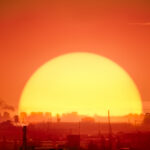
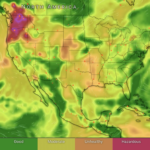
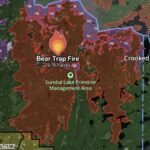
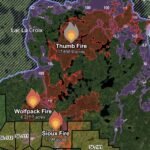
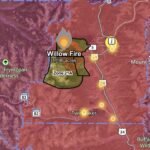
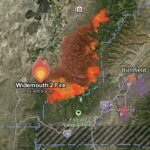
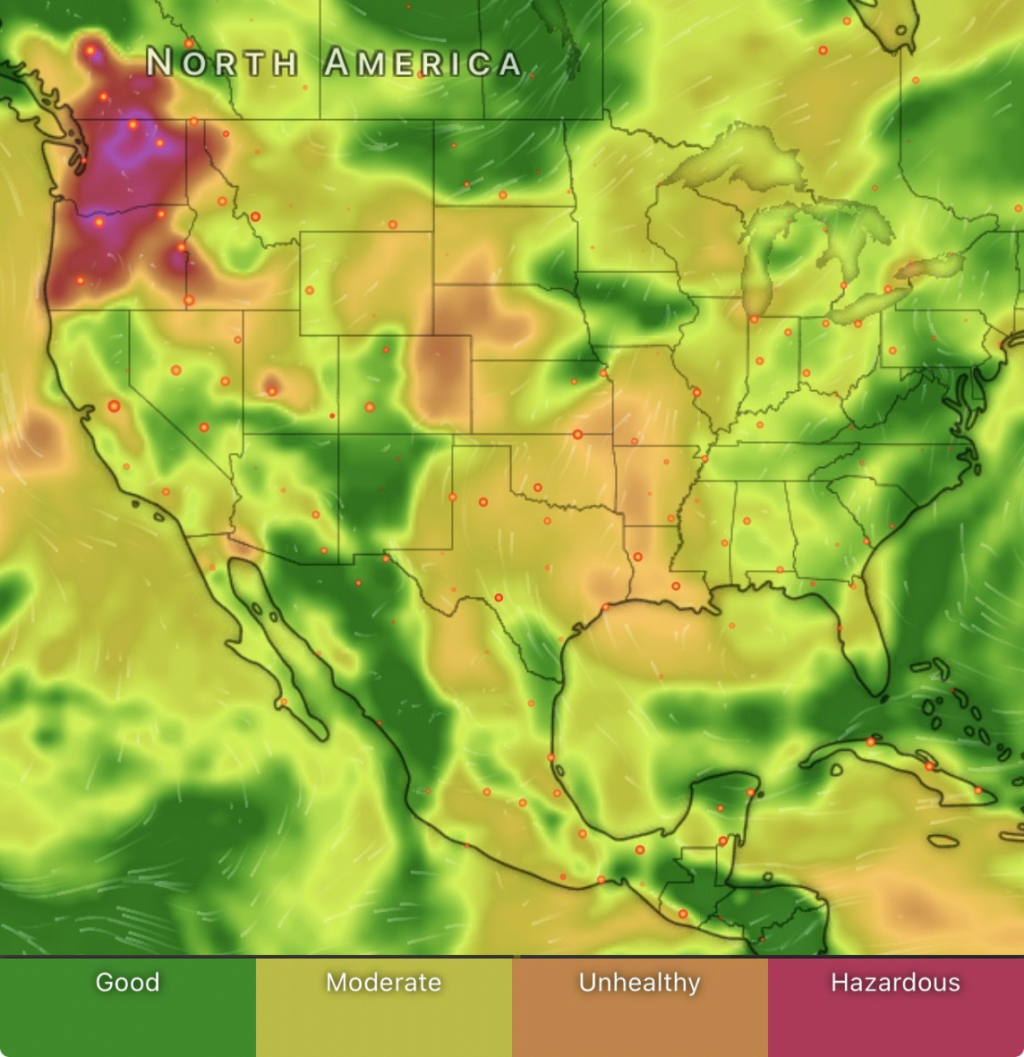
Air quality conditions across the United States are improving in several regions as weather patterns help disperse lingering pollution and smoke. However, millions of Americans in parts of the West, Upper Midwest, and Northern Plains continue to experience reduced air quality due to smoke from active wildfires burning across multiple states and Canada.
Changing wind patterns have allowed cleaner air to return to portions of the Northeast, Mid-Atlantic, and Southeast, while wildfire smoke remains a significant concern farther west and across sections of the northern United States.
Where Air Quality Is Improving
Many communities are seeing healthier air compared to previous days thanks to shifting weather systems and improved atmospheric mixing. Areas experiencing improved conditions include:
- Portions of the Northeast
- Mid-Atlantic states
- Southeast
- Parts of the Ohio Valley
Residents in these regions may notice clearer skies and lower concentrations of fine particulate matter (PM2.5), resulting in healthier outdoor conditions for most people.
Regions Still Impacted by Wildfire Smoke
Wildfire smoke continues to affect air quality across several parts of the country, including:
- Northern Rockies
- Pacific Northwest
- Northern California
- Portions of the Great Basin
- Upper Midwest
- Northern Plains
Smoke can travel hundreds or even thousands of miles, meaning areas far from active fires may still experience hazy skies and elevated pollution levels.
Fine smoke particles (PM2.5) are small enough to penetrate deep into the lungs and may worsen respiratory and cardiovascular conditions, especially among sensitive populations.
Who Is Most at Risk?
Poor air quality poses the greatest health risk for:
- Children
- Older adults
- Pregnant women
- People with asthma or COPD
- Individuals with heart disease
- Outdoor workers
Even healthy individuals may experience eye irritation, coughing, sore throat, or shortness of breath during periods of elevated smoke.
How to Protect Yourself During Smoke Events
If smoke affects your area:
- Check your local Air Quality Index (AQI) before spending extended time outdoors.
- Limit strenuous outdoor activities when air quality reaches unhealthy levels.
- Keep windows and doors closed when smoke is present.
- Run an air purifier or use a clean HVAC filter if available.
- Wear a properly fitted N95 respirator if prolonged outdoor exposure is unavoidable.
- Stay hydrated and monitor symptoms if you have respiratory or heart conditions.
Looking Ahead
Forecast models indicate air quality will continue to fluctuate over the coming days as wildfire activity, wind direction, and weather systems evolve. Areas currently experiencing cleaner air could see changing conditions if smoke plumes shift, while rainfall and stronger winds may improve air quality in smoke-affected regions.
Residents are encouraged to stay informed through local forecasts and air quality updates, particularly if they live near active wildfire regions or are sensitive to smoke.
As wildfire season continues, changing weather patterns will play a major role in determining where smoke travels next. Staying informed and taking precautions can help reduce health risks during periods of poor air quality.
Radar Watch HQ Air Quality Essentials
Affiliate Disclosure: As an Amazon Associate, Radar Watch HQ earns from qualifying purchases.
- HEPA Air Purifier – Helps remove smoke, dust, pollen, and fine particulate matter (PM2.5) from indoor air.
- N95 Respirator Masks – Provides added protection when outdoor air quality reaches unhealthy levels.
- Portable Air Quality Monitor – Tracks indoor PM2.5, AQI, temperature, and humidity in real time.
- Replacement HEPA Air Filters – Keep home HVAC systems and air purifiers operating efficiently during extended air quality events.
- Portable Battery Power Station – Keeps air purifiers, fans, phones, and other essential devices powered during outages caused by severe weather or wildfire-related emergencies.