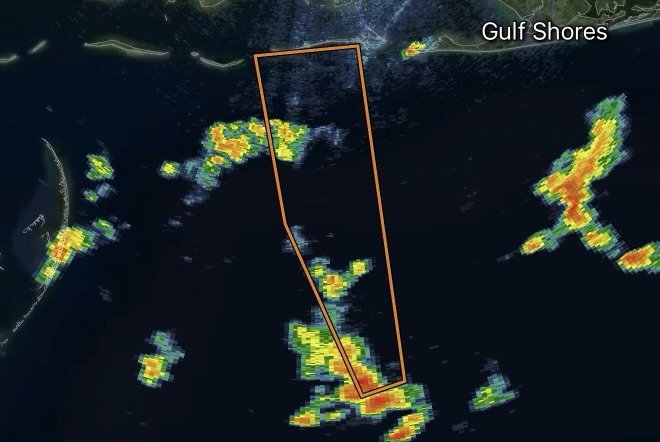
Dangerous Thunderstorms Threaten Gulf Coast Boaters
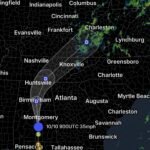
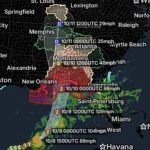
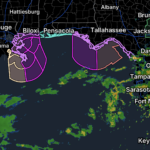
A Special Marine Warning has been issued for the Gulf Coast waters extending from Pensacola, Florida, to Pascagoula, Mississippi, including the coastal waters out to 20 nautical miles. Strong thunderstorms moving across the northern Gulf of Mexico are capable of producing hazardous conditions that pose a serious risk to anyone on the water.
Boaters, anglers, commercial vessels, and recreational watercraft should closely monitor weather conditions and be prepared to seek safe harbor immediately as storms approach.
Areas Included in the Warning
The Special Marine Warning includes:
- Coastal waters from Pensacola, Florida, to Pascagoula, Mississippi, out to 20 nautical miles
- Nearshore Gulf waters along the western Florida Panhandle
- Alabama Gulf coastal waters
- Mississippi coastal waters extending into the Gulf of Mexico
These waters may experience rapidly changing weather conditions with little warning.
Primary Hazards
Thunderstorms moving through the area may produce:
Strong Wind Gusts
Powerful thunderstorm winds can quickly create dangerous wave conditions capable of overturning smaller vessels.
Frequent Lightning
Lightning remains one of the greatest hazards over open water and can strike well ahead of heavy rainfall.
Torrential Rain
Heavy rain may dramatically reduce visibility, making navigation difficult and increasing the risk of marine accidents.
Rough Seas
Strong winds may rapidly build waves, creating hazardous conditions for both recreational and commercial marine traffic.
Isolated Waterspouts
Some stronger storms may briefly produce waterspouts capable of creating localized dangerous conditions.
Why Gulf Coast Storms Develop So Quickly
During August, extremely warm Gulf waters provide abundant moisture and energy for thunderstorm development. Sea breeze boundaries interacting with unstable air frequently generate rapidly intensifying storms capable of producing severe marine weather within a short period.
Because these storms often strengthen quickly, boaters should never rely solely on visible skies when planning activities.
Marine Safety Tips
If you’re on the water:
- Return to port immediately if storms are approaching.
- Continuously monitor NOAA Weather Radio or trusted marine weather sources.
- Stay off open decks during lightning.
- Secure loose equipment before strong winds arrive.
- Always wear a properly fitted life jacket.
- Avoid navigating through thunderstorms or waterspouts.
Even experienced boaters can encounter dangerous conditions when storms rapidly intensify.
Continue Monitoring Weather Conditions
Additional marine warnings may be issued if thunderstorms strengthen or expand across the northern Gulf Coast. Residents and visitors should continue monitoring updated forecasts, marine radar, and official weather information throughout the day.
Conditions over the Gulf can deteriorate rapidly, making early action the safest choice.
Stay Weather Ready with Radar Watch HQ
Radar Watch HQ provides timely updates on severe weather, marine warnings, tropical systems, flash flooding, hurricanes, and other hazardous conditions affecting communities across the United States.
Follow Radar Watch HQ for the latest marine weather updates, severe storm coverage, and real-time Gulf Coast forecasts.
Radar Watch HQ Top 5 Marine Essentials
Affiliate Disclosure: As an Amazon Associate, Radar Watch HQ earns from qualifying purchases.
🌊 1. U.S. Coast Guard-Approved Life Jacket
A properly fitted life jacket is the most important piece of safety equipment for every passenger onboard.
Best for: Recreational boaters, anglers, kayakers, and paddleboarders.
⚓ 2. Marine Emergency Radio (NOAA Weather Radio)
Receive real-time NOAA Weather Radio alerts, marine forecasts, and emergency warnings—even when cell service is unavailable.
Best for: Offshore and coastal boating.
🔦 3. Rechargeable Waterproof LED Flashlight
A bright waterproof flashlight is essential for emergencies, low visibility, nighttime navigation, and signaling for help.
Best for: Every boat emergency kit.
🧰 4. Marine First Aid Kit
A waterproof first aid kit stocked with bandages, antiseptic, medications, and emergency supplies for injuries on the water.
Best for: Every vessel, regardless of size.
🧭 5. Waterproof Dry Bag
Protect phones, wallets, charts, keys, electronics, and emergency supplies from water damage during storms or rough seas.
Best for: Boaters, kayakers, paddleboarders, and beachgoers.
🛒 Radar Watch HQ Marine Safety Picks
Prepare before you head out on the water. Our recommended marine safety essentials can help keep you and your crew safe during changing weather conditions.