
Severe Weather Moves Into Tooele County
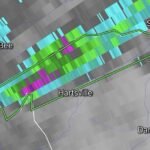
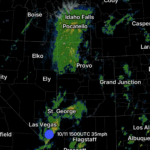
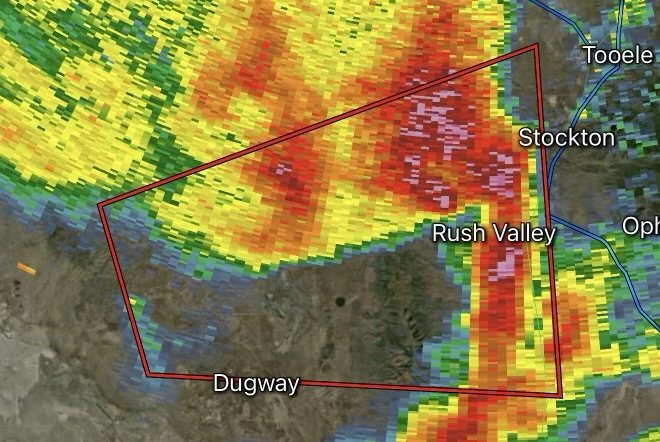
A Tornado Warning for Tooele County, Utah, highlights the potential for rapidly changing conditions as powerful thunderstorms move through the region. While the immediate tornado threat requires residents to seek sturdy shelter, another concern deserves attention: the impact that recent wildfire scars can have when intense thunderstorms bring heavy rain and strong runoff.
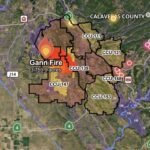
Tooele County has experienced significant wildfire activity in recent years, including areas affected by the Jacob City Fire. Burned landscapes can remain vulnerable long after flames are gone because vegetation and soil structure may take years to recover. Utah flood officials warn that areas below relatively recent burn scars can face dramatically increased risks of flooding and debris flows when heavy rainfall occurs. (Utah Flood Hazards)
What a Tornado Warning Means for Residents
A Tornado Warning means a tornado has been detected or indicated by weather radar and residents in the warned area should take immediate protective action.
Residents should move indoors immediately and shelter in a basement, storm shelter, or small interior room on the lowest possible floor. Stay away from windows and protect your head and neck with your arms, a helmet, or sturdy blankets and cushions.
Do not wait outside to watch the storm develop. Tornadoes can be accompanied by destructive straight-line winds, hail, intense lightning and extremely heavy rainfall.
Why Wildfire Scars Increase the Flood Threat
Wildfires dramatically change the landscape. Vegetation that once slowed rainfall and helped stabilize hillsides can be removed, while heat from the fire can alter the soil’s ability to absorb water.
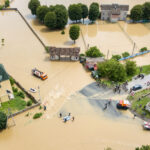
When thunderstorms produce intense rainfall over these areas, water can move rapidly downhill. That runoff can pick up loose soil, rocks, burned vegetation and other debris, creating dangerous debris flows.
Utah’s flood-hazard officials specifically note that burned watersheds can produce increased mud and debris-flow risks, with elevated hazards potentially continuing for years while vegetation and soils recover. (Utah Flood Hazards)
The Jacob City Burn Scar Is an Important Example
Eastern Tooele County has previously experienced dangerous flooding associated with the Jacob City Burn Scar.
During a 2025 storm, the National Weather Service reported heavy rainfall over the burn scar and warned that debris flows could move through Soldier Canyon and downstream toward Soldier Creek, SR-36 and nearby infrastructure. Stockton was among the communities identified as potentially affected. (Iowa Mesonet)
That history demonstrates why residents should not view a thunderstorm solely as a wind or tornado threat. In areas below burn scars, heavy rainfall can create a second hazard that develops quickly—even after the most intense part of the storm appears to have passed.
Roads, Canyons and Low-Lying Areas Can Become Dangerous
Thunderstorms over or near wildfire scars can rapidly increase runoff into canyons, washes, drainage channels and low-lying areas.
Residents should be particularly cautious around:
- Canyon roads
- Creeks and drainage channels
- Low-water crossings
- Areas below steep burned slopes
- Roads near known burn scars
- Bridges and culverts
- Homes and businesses located downstream from burned terrain
Never drive through water covering a roadway. Floodwater may hide washed-out pavement, debris, damaged bridges or rapidly moving currents.
Multiple Hazards Can Occur at the Same Time
A severe thunderstorm can create several hazards simultaneously. In Tooele County, residents may need to respond to:
- Tornadoes
- Destructive wind gusts
- Large hail
- Frequent lightning
- Torrential rainfall
- Flash flooding
- Mud and debris flows
- Reduced visibility
- Dangerous road conditions
A tornado threat does not eliminate the flooding threat. Likewise, moving away from a flooded area does not mean it is safe to return while a tornado or severe thunderstorm warning remains active.
How Residents Can Stay Safe
During an active Tornado Warning, shelter first. Once safely inside, continue monitoring official warnings and emergency information.
If flooding or debris-flow warnings are issued, move away from drainage areas and follow evacuation instructions immediately.
Tooele County Emergency Services provides multiple warning methods, including Emergency Alert System broadcasts, outdoor warning sirens, Wireless Emergency Alerts and Tooele Alerts. Residents can use these systems to receive emergency information and protective-action instructions. (Tooele County Emergency Management)
Residents should also remember that a burn scar can remain hazardous even when the sky appears to be clearing. Heavy rainfall upstream can send water and debris downstream with little warning.
The Bigger Weather Picture
Utah’s summer thunderstorm environment can produce intense rainfall over short periods. Recent Utah events have demonstrated how quickly thunderstorms can interact with wildfire scars to produce dangerous flooding and debris flows. State officials have also emphasized the heightened flood risk created by extensive wildfire burn scars across Utah following the state’s severe 2026 wildfire season. (Utah Governor’s Office)
For Tooele County residents, the combination of severe thunderstorms and recovering wildfire landscapes means preparedness must account for both wind and water.
Stay Alert, Stay Sheltered and Know Your Terrain
When a Tornado Warning is issued, get inside and protect yourself from flying debris. If heavy rain begins falling over or upstream from a wildfire burn scar, be prepared for rapidly rising water and debris flows.
Do not wait for water to reach your property before taking action.
For Radar Watch HQ weather coverage, continue monitoring official weather alerts and local emergency instructions as conditions evolve.
Affiliate Disclosure: As an Amazon Associate, Radar Watch HQ earns from qualifying purchases.
Radar Watch HQ Top 5 Essential Emergency Preparedness Picks
Whether you’re preparing for severe thunderstorms, flash flooding, hurricanes, wildfires, or extended power outages, these five emergency essentials can help keep your household safer when severe weather strikes.
A portable power station provides reliable backup electricity during outages, allowing you to power phones, medical devices, laptops, lights, small appliances, and communication equipment without fuel.
Best for:
- Extended power outages
- Severe thunderstorms
- Hurricanes
- Winter storms
- Wildfires
2. Flood Protection Barriers & Sandless Flood Bags
Flood barriers help divert or absorb water before it enters garages, doorways, and low-lying areas. They deploy quickly and can help reduce property damage during flash flooding.
Best for:
- Flash Flood Warnings
- Heavy rainfall
- River flooding
- Coastal flooding
3. Rechargeable LED Flashlights
Bright, dependable flashlights are essential when the power goes out. Rechargeable or solar-powered models provide long-lasting illumination for navigating safely indoors and outdoors.
Best for:
- Overnight power outages
- Emergency evacuations
- Storm damage inspections
Keep phones, tablets, weather radios, and USB-powered devices charged when the electrical grid is unavailable. A solar power bank offers an additional charging option during prolonged emergencies.
Best for:
- Communication during outages
- Emergency weather alerts
- Travel and evacuation
A NOAA Weather Radio delivers official weather alerts directly from the National Weather Service, even when cellular networks or internet service are unavailable. It remains one of the most dependable ways to receive life-saving warnings.
Best for:
- Tornado warnings
- Severe thunderstorm warnings
- Flash flood warnings
- Hurricane alerts
- Winter storm emergencies
Why Radar Watch HQ Recommends These Essentials
At Radar Watch HQ, preparedness is just as important as staying informed. These five emergency essentials can help you stay connected, protect your property, and safely navigate severe weather events. Having supplies ready before storms arrive allows you to respond quickly when warnings are issued and conditions begin to deteriorate.