





Dangerous Heat Spreads Across the Southwest
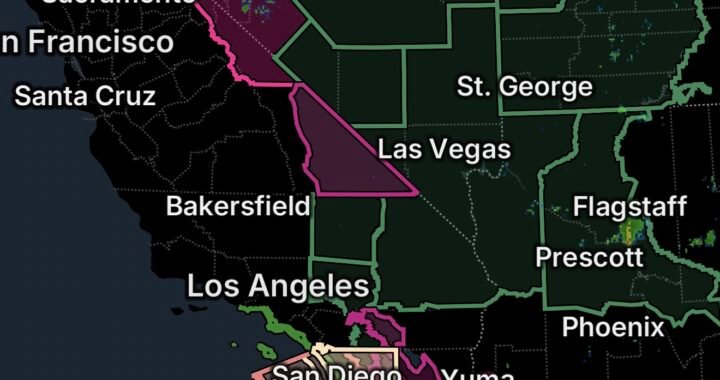
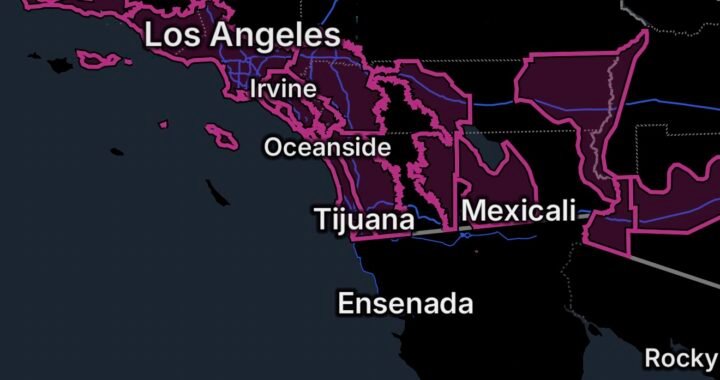
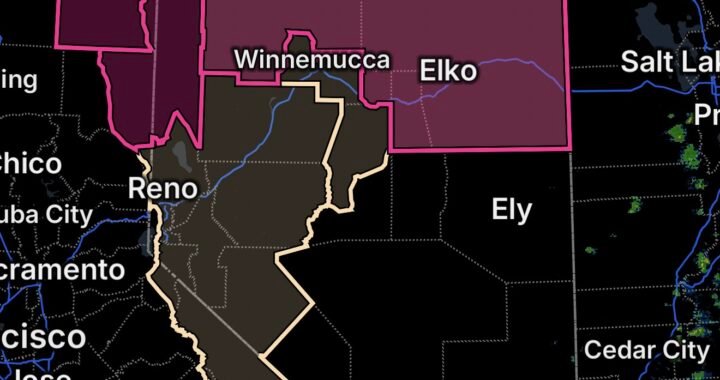
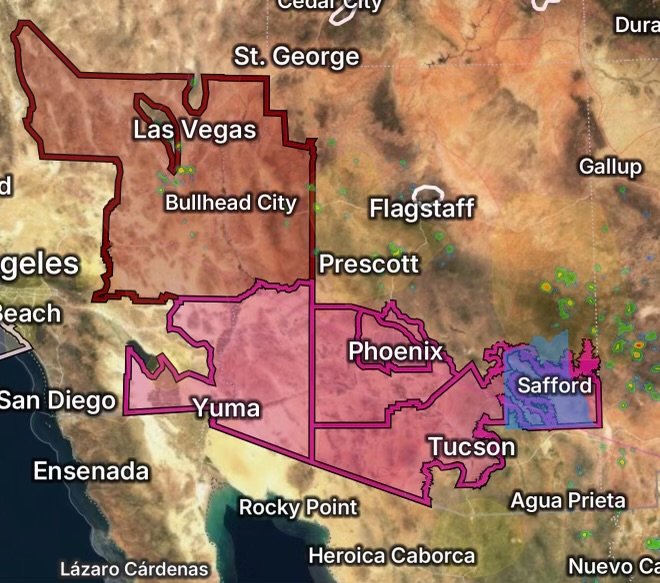
An intense and potentially dangerous heat episode is affecting portions of Arizona, southeast California and southern Nevada, with areas under either an Extreme Heat Watch or Extreme Heat Warning.
The greatest concern is prolonged exposure to dangerously high temperatures. Moreover, overnight temperatures may remain elevated, giving the body less opportunity to recover from daytime heat.
For residents, outdoor workers, travelers and anyone without reliable air conditioning, this type of heat can become hazardous quickly.
Where Extreme Heat Is Expected
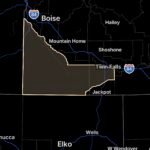
Extreme Heat Watch Areas
The Extreme Heat Watch covers portions of:
- Northwest Arizona
- Southeast California
- Southern Nevada
A watch means conditions could become dangerous enough to produce significant heat-related impacts. Therefore, residents should use the time before peak heat arrives to prepare cooling plans, check on vulnerable people and make sure they have adequate water.
Extreme Heat Warning Areas
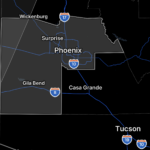
An Extreme Heat Warning is in effect across portions of southwest Arizona and southeast California, where dangerous heat is expected or occurring.
Additional Arizona communities and regions identified with extreme heat concerns include:
- Aguila Valley
- Apache Junction/Gold Canyon
- Cave Creek/New River
- Fountain Hills/East Mesa
- Gila Bend
- Northwest Pinal County
- Sonoran Desert National Monument
- Tonopah Desert
- West Pinal County
- South Central Pinal County
- Southeast Pinal County
- Tohono O’odham Nation
- Tucson Metro Area
- Upper Gila River Valley
- Western Pima County
Why Extreme Heat Is So Dangerous
Extreme heat places significant stress on the human body. Normally, the body cools itself through sweating and increased blood flow near the skin. However, when temperatures become exceptionally high, those cooling mechanisms may not be enough.
Heat exhaustion can develop with symptoms such as heavy sweating, weakness, dizziness, headache, nausea and muscle cramps. If the body temperature continues rising, heat stroke can become life-threatening.
Urban Areas Can Stay Hotter Overnight
Cities and developed communities can experience an urban heat-island effect. Roads, buildings and pavement absorb heat during the day and release it slowly after sunset.
Consequently, communities such as the Tucson Metro Area, Phoenix-area communities and other heavily developed portions of southern Arizona may experience limited overnight relief.
Arizona Communities Facing Elevated Heat Risk
Pinal County
Extreme heat concerns extend across several portions of Pinal County, including Northwest Pinal County, West Pinal County, South Central Pinal County and Southeast Pinal County.
Residents should limit strenuous outdoor activity during the hottest portion of the day and make sure pets and livestock have access to shade and water.
Pima County and Tucson
The Tucson Metro Area and Western Pima County are among the areas facing significant heat concerns.
In addition, the Tohono O’odham Nation and Upper Gila River Valley are included among the affected areas. Rural locations can face additional challenges because long travel distances may separate residents from cooling centers, medical services and other resources.
Maricopa County and Surrounding Communities
The heat threat also encompasses communities such as Aguila Valley, Cave Creek/New River, Fountain Hills/East Mesa and Apache Junction/Gold Canyon.
Meanwhile, Gila Bend and the Tonopah Desert can experience especially harsh conditions because of their desert environment and limited shade.
Graham County Power Outage Adds to Heat Concerns
A power outage in Graham County creates an additional concern during extreme heat.
When electricity is unavailable, indoor temperatures can rise rapidly, particularly in homes without functioning air conditioning. Therefore, residents experiencing an outage should monitor conditions closely and identify a safe cooling location if their home becomes dangerously hot.
Check on neighbors, older adults and anyone who may have difficulty staying cool. Never use a gasoline-powered generator indoors or in an enclosed garage because of the risk of deadly carbon monoxide exposure.
Extreme Heat Safety: What Residents Should Do
Stay Hydrated
Drink water regularly rather than waiting until you feel thirsty. During prolonged outdoor activity, follow appropriate hydration practices and take frequent breaks.
Avoid the Hottest Part of the Day
Whenever possible, schedule outdoor work and exercise for the early morning or evening.
If you must be outside, take frequent breaks in air conditioning or shade.
Never Leave People or Pets in Vehicles
Vehicles can become dangerously hot within minutes, even when windows are cracked.
Never leave children, older adults, disabled individuals or pets unattended inside a vehicle.
Watch for Heat Illness
Warning signs can include:
- Heavy sweating
- Headache
- Dizziness
- Weakness
- Nausea
- Muscle cramps
- Confusion
- Fainting
Confusion, loss of consciousness, seizures or extremely hot skin can indicate a medical emergency. Call 911 immediately and begin cooling the person while waiting for emergency assistance.
Protecting Vulnerable Residents
Extreme heat does not affect everyone equally. Older adults, young children, outdoor workers and people without reliable air conditioning can face greater risks.
Additionally, people who live alone may not recognize how quickly heat illness is developing. Checking on family members and neighbors can make an important difference during prolonged heat events.
Travel and Outdoor Recreation
Anyone traveling through Arizona, California or Nevada should prepare for extreme temperatures before leaving.
Carry plenty of drinking water, keep vehicles maintained and avoid unnecessary stops in exposed desert areas. Hikers and outdoor recreationists should carefully consider whether conditions are safe enough for strenuous activity.
The desert landscape can appear deceptively manageable while temperatures reach dangerous levels.
The Bigger Southwest Heat Picture
This heat event demonstrates why extreme heat can be just as dangerous as other severe-weather hazards.
Unlike a thunderstorm or tornado, extreme heat can persist for days and affect large geographic areas simultaneously. Furthermore, repeated days of excessive heat can compound the danger because nighttime recovery may be limited.
For that reason, residents should treat an Extreme Heat Warning seriously and continue monitoring conditions even after sunset.
Radar Watch HQ Final Thoughts
The combination of widespread extreme heat across the Southwest and a power outage in Graham County makes preparation especially important.
From the deserts of southern California and Nevada to communities across Arizona, residents should prioritize hydration, cooling, frequent breaks and regular wellness checks. If you are under an Extreme Heat Warning, take action now rather than waiting for symptoms of heat illness to develop.
Stay weather aware, check on those around you and keep monitoring Radar Watch HQ for continuing coverage of major weather threats across the United States.
Stay alert. Stay prepared. Stay safe with Radar Watch HQ.

Radar Watch HQ Top 5 Essentials for Extreme Heat
Affiliate Disclosure: As an Amazon Associate, Radar Watch HQ earns from qualifying purchases.
When an Extreme Heat Watch or Heat Advisory is in effect, having the right gear can help you stay safer and more comfortable.
A compact, battery-powered fan provides cooling while traveling, working outdoors, waiting at events, or during power outages.
2. Insulated Water Bottle or Tumbler
A high-quality insulated bottle or cup keeps water cold for hours, making it easier to stay hydrated throughout the day.
A handheld misting fan or spray bottle delivers instant cooling by combining fine water mist with airflow.
Portable air conditioners, evaporative coolers (where appropriate), or high-performance tower fans can help reduce indoor temperatures during dangerous heat.
5. Electrolyte Hydration Packets or Drinks
Electrolyte supplements help replace minerals lost through heavy sweating and support hydration during prolonged heat exposure.