




Dangerous Heat Targets Communities Across Central and Southern Arizona
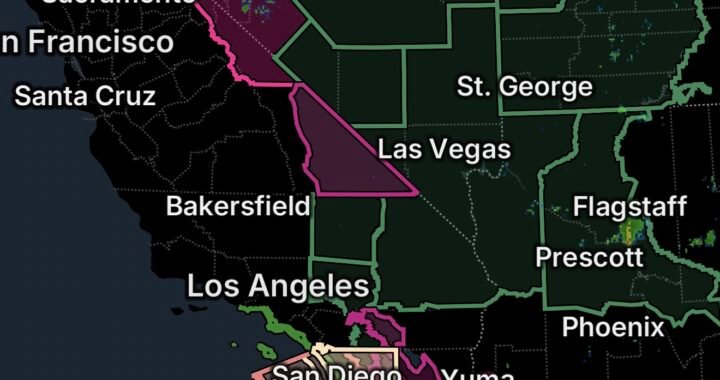
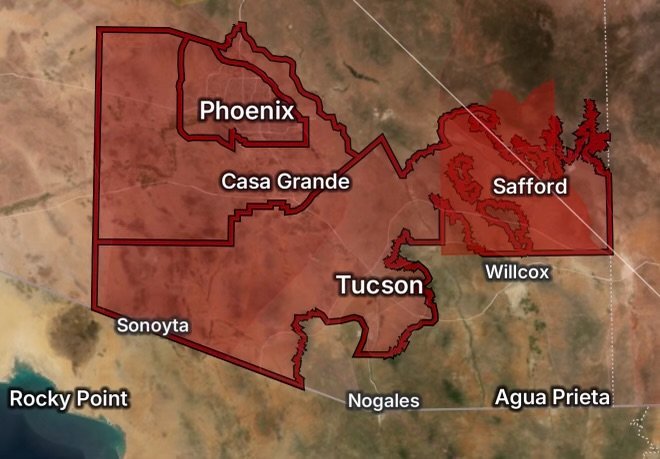
An Extreme Heat Watch is putting much of central and southern Arizona on alert as another period of dangerous heat develops across the desert Southwest. The National Weather Service Phoenix office says hotter conditions are expected as high pressure strengthens over the Desert Southwest, with the Phoenix area forecast reaching the triple digits and temperatures climbing into the 110s early next week. (National Weather Service)
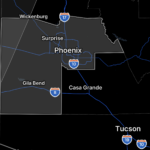
The watch covers a broad area stretching from the Phoenix metropolitan area and Maricopa County into Pinal County, while southern Arizona communities monitored by the Tucson forecast office are also facing significant heat concerns.
This prolonged heat can become especially dangerous because nighttime temperatures may remain elevated, limiting the body’s ability to recover from daytime exposure.
Phoenix Metropolitan Area and Maricopa County
The Phoenix metropolitan area is one of the largest population centers affected by the heat threat. Phoenix temperatures are expected to rise sharply over the coming days, with the National Weather Service Phoenix forecast showing highs climbing from around 101°F Friday to approximately 111°F Monday and Tuesday. (National Weather Service)
Communities including Aguila Valley, Apache Junction/Gold Canyon, Cave Creek/New River, Fountain Hills/East Mesa, Gila Bend, Tonopah Desert and surrounding desert communities should prepare for dangerous afternoon conditions.
The combination of extreme daytime temperatures and warm overnight conditions can increase the risk of heat exhaustion and heat stroke, particularly for people spending extended periods outdoors.
Aguila Valley
Aguila Valley’s remote desert setting can increase exposure to extreme heat. Outdoor workers, agricultural employees, hikers and motorists traveling through isolated areas should plan activities around the hottest portion of the day.
Access to shade, water and reliable transportation becomes especially important when temperatures surge.
Apache Junction and Gold Canyon
The communities around Apache Junction and Gold Canyon can experience intense heat due to their desert environment and proximity to the Superstition Mountains.
Outdoor recreation should be approached cautiously during extreme heat. Hiking during the afternoon can become dangerous quickly, particularly when temperatures remain high and dehydration develops faster than expected.
Cave Creek and New River
Cave Creek and New River are also vulnerable to extreme heat, especially for residents living in more rural or semi-rural areas.
People working outdoors should take frequent cooling breaks, drink water regularly and avoid prolonged exposure during peak afternoon temperatures.
Fountain Hills and East Mesa
Heat across Fountain Hills and East Mesa can create significant stress for residents, pets, outdoor workers and people without reliable air conditioning.
Residents should check on older adults and neighbors who may need assistance keeping their homes cool.
Gila Bend and the Western Desert
The extreme heat threat also extends into Gila Bend and the surrounding western desert. These areas can experience some of the harshest daytime conditions in Arizona.
Drivers crossing remote stretches should carry sufficient drinking water and avoid unnecessary travel during the hottest part of the day.
Pinal County: Widespread Heat Concerns
The heat threat extends across multiple parts of Pinal County, including:
- Northwest Pinal County
- South Central Pinal County
- Southeast Pinal County
- Western Pinal County
- Apache Junction/Gold Canyon areas
- Communities near the Superstition Mountains
The National Weather Service’s Arizona heat planning information identifies Northwest/North-Central Pinal County and Southeast Pinal County among the state’s recognized heat forecast areas. (South Tucson AZ)
Residents should not assume that a short break in the heat means conditions are safe. Prolonged heat exposure can accumulate over several days.
Sonoran Desert National Monument
The Sonoran Desert National Monument remains particularly vulnerable because of its remote desert terrain.
Visitors should avoid strenuous activity during the hottest hours, carry more water than they expect to need and have a reliable communication plan.
Extreme heat can become life-threatening far from immediate medical assistance.
Tonopah Desert
The Tonopah Desert faces similar risks, with wide-open terrain offering limited natural shade.
Travelers should make sure vehicles are properly maintained and carry emergency water supplies. Never leave children or pets inside a parked vehicle, even briefly.
Tohono O’odham Nation and Western Pima County
Extreme heat concerns extend into Western Pima County and the Tohono O’odham Nation, where remote desert communities can face additional challenges because of distance from major population centers.
Residents should prepare for extended periods of heat and make sure cooling systems, water supplies, phones and backup power sources are functioning before the hottest conditions arrive.
Tucson Metro Area
The Tucson metropolitan area is also expected to experience significant heat as high pressure strengthens across the region.
The heat can affect commuters, construction workers, delivery personnel, athletes and anyone spending prolonged periods outdoors.
The National Weather Service Tucson office continues to provide local hazardous-weather information for southern Arizona. (National Weather Service)
Upper Gila River Valley and Graham County
The Upper Gila River Valley, including portions of Graham County, can experience dangerous heat while also dealing with potential infrastructure challenges.
Graham County Power Outage Concern
Power reliability becomes especially important during extreme heat because air conditioning is a critical safety resource.
Current publicly available outage information does not confirm a widespread Graham County outage at the time of this report. Available outage data recently showed no tracked customers without power in Graham County, although outage information can change rapidly. (PowerOutage.us)
Residents experiencing an outage should check directly with their electricity provider and local emergency officials rather than relying on older outage reports.
Tucson Electric Power notes that outage maps can be delayed during periods of widespread weather activity and that restoration estimates may not be available until crews identify the cause of an outage. (Tucson Electric Power)
Why Extreme Heat Can Become Dangerous
Extreme heat is more than a high thermometer reading. The danger increases when temperatures remain elevated for multiple days and overnight lows fail to provide meaningful relief.
The National Weather Service’s HeatRisk approach considers temperature departures from normal, heat duration and humidity, along with other factors associated with heat-related illness. (National Weather Service)
That means people who normally tolerate Arizona heat can still become vulnerable during prolonged extreme events.
How Arizona Residents Can Stay Safe
During the Extreme Heat Watch:
- Drink water regularly before becoming thirsty.
- Limit strenuous outdoor activity during the afternoon.
- Wear lightweight, loose-fitting clothing.
- Take frequent breaks in air-conditioned or shaded locations.
- Never leave children or pets inside a vehicle.
- Check on older adults, neighbors and people who may need assistance.
- Bring pets indoors and provide plenty of fresh water.
- Make sure air conditioners and fans are working before temperatures peak.
- Keep phones, batteries and backup power sources charged.
- If the power goes out, move to a safe, cooler location if your home becomes dangerously hot.
For residents experiencing a power outage, Tucson Electric Power recommends staying hydrated, wearing breathable clothing and considering cooling centers or hydration stations during prolonged outages. (Tucson Electric Power)
Radar Watch HQ Weather Alert
The August 14, 2026 Extreme Heat Watch is a reminder that Arizona’s desert heat can become dangerous quickly, particularly when extreme temperatures stretch across multiple communities and several consecutive days.
From the Phoenix metropolitan area and Sonoran Desert to Pinal County, the Tohono O’odham Nation, Tucson and the Upper Gila River Valley, residents should prepare before the most dangerous heat arrives.
Stay weather-aware, stay hydrated and never underestimate extreme desert heat. Follow Radar Watch HQ for continuing severe-weather alerts, heat updates and developing conditions across Arizona.

Radar Watch HQ Top 5 Essentials for Extreme Heat
Affiliate Disclosure: As an Amazon Associate, Radar Watch HQ earns from qualifying purchases.
When an Extreme Heat Watch or Heat Advisory is in effect, having the right gear can help you stay safer and more comfortable.
A compact, battery-powered fan provides cooling while traveling, working outdoors, waiting at events, or during power outages.
2. Insulated Water Bottle or Tumbler
A high-quality insulated bottle or cup keeps water cold for hours, making it easier to stay hydrated throughout the day.
A handheld misting fan or spray bottle delivers instant cooling by combining fine water mist with airflow.
Portable air conditioners, evaporative coolers (where appropriate), or high-performance tower fans can help reduce indoor temperatures during dangerous heat.
5. Electrolyte Hydration Packets or Drinks
Electrolyte supplements help replace minerals lost through heavy sweating and support hydration during prolonged heat exposure.