





Major Hurricane Lala Strengthens Far West of Hawaii
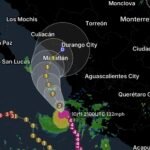
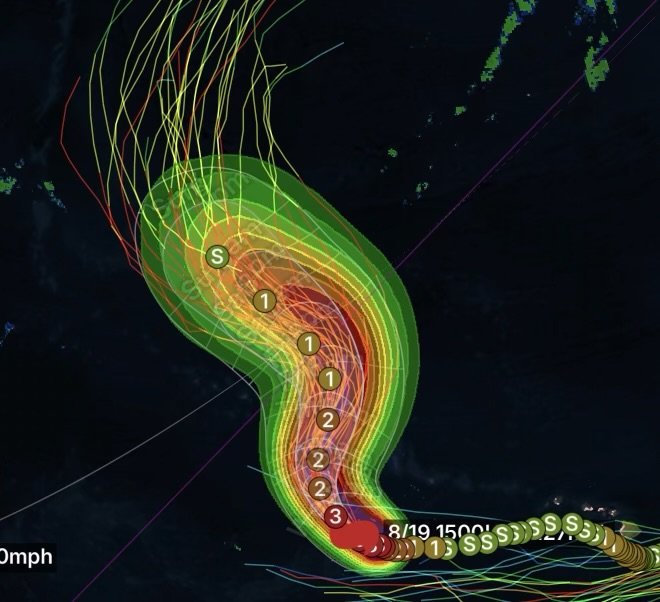
Hurricane Lala has rapidly strengthened into a Category 3 major hurricane as it moves west-northwestward away from the main Hawaiian Islands. According to the National Hurricane Center, Lala had maximum sustained winds of 125 mph, with a minimum central pressure near 953 millibars. The hurricane was located approximately 335 miles south-southeast of Maro Reef and was moving west-northwest at about 9 mph. (National Hurricane Center)
Lala’s renewed strengthening comes after the storm affected Hawaii over the weekend, bringing destructive flooding, powerful winds, infrastructure damage and widespread power outages. Although the populated Hawaiian Islands are no longer facing the storm’s immediate core threat, recovery efforts continue across parts of the state. (The Guardian)
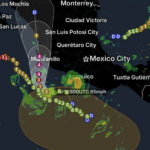
Hurricane Lala August 19 Status
A Major Hurricane in the Central Pacific
Lala is now classified as a Category 3 hurricane on the Saffir-Simpson Hurricane Wind Scale, making it the first major hurricane of the 2026 Central Pacific hurricane season. Forecasters expect Lala to remain a hurricane for several days while it travels farther into the Pacific. (National Hurricane Center)
The storm’s current strength is particularly notable because Lala previously weakened while passing near Hawaii before undergoing another period of rapid intensification over the open Pacific.
Northwestern Hawaiian Islands Face the Greatest Concern
A hurricane warning has been issued for portions of the Northwestern Hawaiian Islands, including the area from Lisianski Island to Maro Reef. These islands are largely uninhabited, but the region contains fragile ecosystems and protected areas within the Papahānaumokuākea Marine National Monument.
Hurricane-force conditions are expected to affect portions of the Northwestern Hawaiian Islands as Lala moves through the region. Large and dangerous surf, coastal inundation and damaging winds remain major concerns. (San Francisco Chronicle)
Why Is Hurricane Lala Strengthening Again?
Lala’s intensification is unusual because the Central Pacific generally contains less favorable conditions for powerful hurricanes farther north and west.
However, unusually warm ocean waters are providing additional energy for the storm. Meteorologists have also noted that the current Pacific climate pattern is contributing to an environment capable of supporting stronger tropical systems. (San Francisco Chronicle)
Warm ocean water allows a hurricane to continually transfer heat and moisture into its circulation. When atmospheric conditions cooperate, that energy can lead to rapid strengthening.
Hawaii Is Now in Recovery Mode
While Hurricane Lala is moving away from the populated Hawaiian Islands, the impacts from its earlier passage are still being addressed.
The storm caused:
- Major flooding across portions of Hawaii
- Extensive power outages
- Downed trees and power lines
- Road and bridge damage
- Damage to homes and businesses
- Communication disruptions
- Difficulties accessing some remote communities
More than 100,000 Hawaiian Electric customers were without power at points during the recovery effort, with crews working to restore service and clear damaged infrastructure. (Reuters)
Big Island Impacts
Hawaii Island experienced some of the most significant impacts from Lala. Heavy rainfall produced destructive flooding, while strong winds damaged homes, roads, bridges and utility infrastructure.
Some locations received extraordinarily high rainfall totals, with reports of more than three feet of rain in isolated areas. (The Guardian)
What Happens Next?
Lala is expected to continue moving generally west-northwestward before eventually turning more northward over the Pacific. The hurricane could remain a significant tropical cyclone for several days, although gradual weakening is expected later in its forecast period. (SRN News)
For the main Hawaiian Islands, the primary concern has shifted from immediate hurricane conditions to recovery, flooding aftermath, damaged infrastructure and utility restoration.
Meanwhile, residents and officials in the Northwestern Hawaiian Islands and protected marine areas should continue monitoring official forecasts as Lala approaches.
Radar Watch HQ Final Thoughts
Hurricane Lala’s evolution is a reminder that tropical systems can change dramatically even after passing a populated area. The storm’s rapid strengthening over the open Pacific demonstrates why meteorologists continue monitoring hurricanes long after their initial land-area impacts have ended.
For Hawaii, the focus now turns toward recovery and rebuilding. For the Northwestern Hawaiian Islands, dangerous hurricane conditions remain possible as Lala moves through the region.
Stay weather-aware and continue following Radar Watch HQ for developing tropical weather coverage, storm updates and major changes across the Pacific.