Hawaii Waters Face Hazardous Marine Conditions
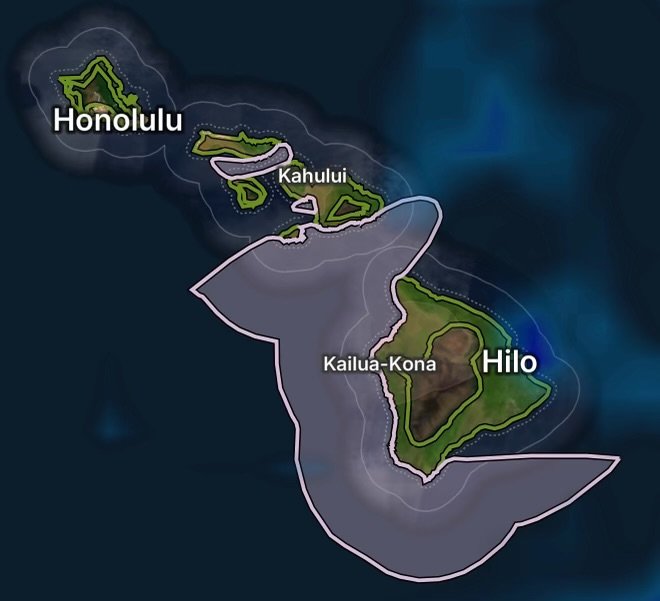
Boaters and coastal communities across Hawaii should remain weather-aware today as marine conditions become hazardous in several areas. A Small Craft Advisory is in effect for portions of the waters surrounding Maui and the Big Island, while a Coastal Flood Statement highlights the potential for coastal impacts.
🚤 Small Craft Advisory for Maui and Big Island Waters
The advisory covers several important marine zones, including:
- Maalaea Bay
- Pailolo Channel
- Alenuihaha Channel
- Big Island Leeward Waters
- Big Island Southeast Waters
These areas can experience conditions that are difficult for smaller vessels, including stronger winds, elevated waves and choppy seas.
🌊 Maalaea Bay and Pailolo Channel
Maalaea Bay and the Pailolo Channel are particularly important areas for recreational boaters traveling between Maui and neighboring islands. Wind and wave conditions can change quickly, creating challenging conditions for smaller boats.
Boaters should check the latest marine forecast before departing and be prepared for deteriorating conditions.
🌬️ Alenuihaha Channel and Big Island Waters
The Alenuihaha Channel can develop rough conditions because of strong winds funneled between Maui and the Big Island. Similar conditions may affect the Big Island Leeward Waters and Big Island Southeast Waters.
Anyone operating a smaller vessel should use extra caution and consider postponing travel if conditions become too rough.
⚠️ Coastal Flood Statement: Stay Alert Near Shorelines
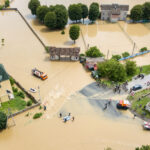
A Coastal Flood Statement also calls attention to possible coastal impacts. While a statement does not necessarily indicate widespread flooding, vulnerable shoreline locations can experience water reaching areas that normally remain dry.
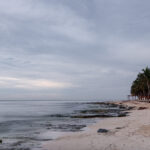
Residents and visitors near beaches, low-lying coastal roads, harbors and vulnerable waterfront properties should monitor conditions.
🏖️ Coastal Areas to Watch
Potential impacts may include:
- Minor coastal flooding
- Water pushing farther inland than usual
- Splashover along exposed shorelines
- Temporary impacts to coastal roads and walkways
- Hazardous conditions near rocks, jetties and seawalls
Never attempt to cross a flooded coastal roadway if water is moving across it.
🚨 What Boaters Should Do
If you’re heading onto the water, make safety the priority:
- Check the latest marine forecast before leaving.
- Secure loose equipment aboard your vessel.
- Wear a properly fitted life jacket.
- Be prepared for stronger winds and rougher seas.
- Maintain a safe distance from exposed shorelines.
- Consider postponing smaller-vessel trips if conditions worsen.
📅 August 10, 2026 Weather Reminder
Today’s marine conditions serve as an important reminder that Hawaii’s channels and coastal waters can become hazardous even when conditions on land appear relatively calm.
Radar Watch HQ recommends staying informed, checking updated forecasts and using extra caution whenever a marine advisory or coastal flooding message is active.
Stay Weather-Ready With Radar Watch HQ
Follow Radar Watch HQ for the latest severe weather alerts, marine conditions, coastal threats and weather developments across Hawaii and around the country.
Stay alert. Stay informed. Stay weather-ready.
Radar Watch HQ Top 5 Marine Essentials
Affiliate Disclosure: As an Amazon Associate, Radar Watch HQ earns from qualifying purchases.
🌊 1. U.S. Coast Guard-Approved Life Jacket
A properly fitted life jacket is the most important piece of safety equipment for every passenger onboard.
Best for: Recreational boaters, anglers, kayakers, and paddleboarders.
⚓ 2. Marine Emergency Radio (NOAA Weather Radio)
Receive real-time NOAA Weather Radio alerts, marine forecasts, and emergency warnings—even when cell service is unavailable.
Best for: Offshore and coastal boating.
🔦 3. Rechargeable Waterproof LED Flashlight
A bright waterproof flashlight is essential for emergencies, low visibility, nighttime navigation, and signaling for help.
Best for: Every boat emergency kit.
🧰 4. Marine First Aid Kit
A waterproof first aid kit stocked with bandages, antiseptic, medications, and emergency supplies for injuries on the water.
Best for: Every vessel, regardless of size.
🧭 5. Waterproof Dry Bag
Protect phones, wallets, charts, keys, electronics, and emergency supplies from water damage during storms or rough seas.
Best for: Boaters, kayakers, paddleboarders, and beachgoers.
🛒 Radar Watch HQ Marine Safety Picks
Prepare before you head out on the water. Our recommended marine safety essentials can help keep you and your crew safe during changing weather conditions.