


Flash flooding threatens slot canyons, dry washes and recreation areas across southern Utah
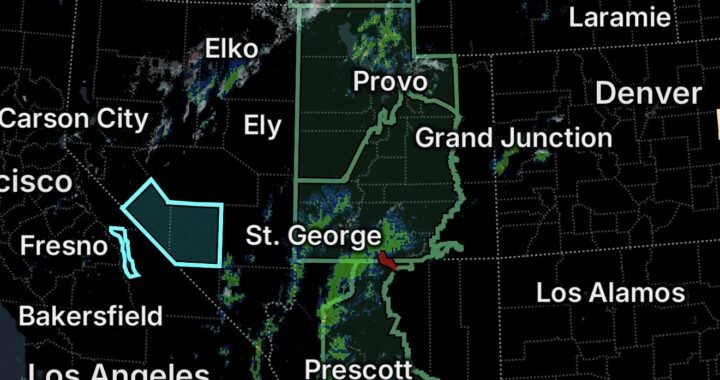
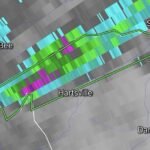
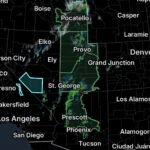
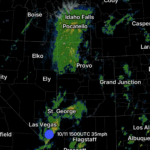
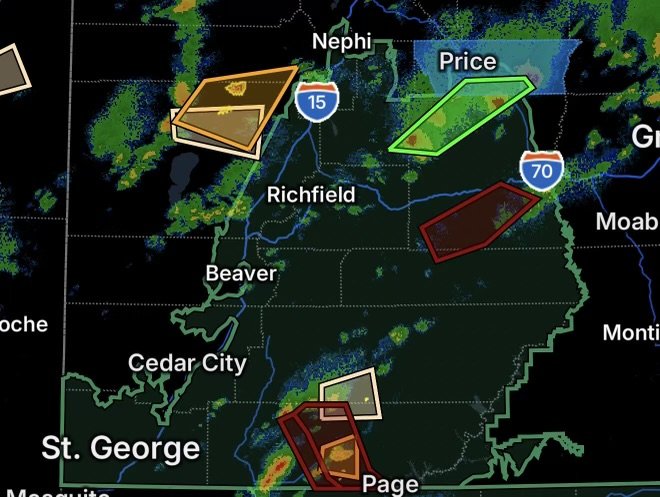
Southern Utah is facing a heightened risk of flash flooding as thunderstorms produce intense rainfall across portions of the region. A Flash Flood Warning is in effect for Central Kane County, while another Flash Flood Warning covers Goblin Valley, Little Wildhorse, Crack, Chute, Ding, Dang, Muddy Creek, and slot canyons and dry washes in and near southern Emery County and north-central Wayne County.
At the same time, a Severe Thunderstorm Warning remains over mainly rural areas of south-central Kane County, while a broader Flood Watch covers a large portion of southern and central Utah.
The National Weather Service emphasizes that slot canyons, dry washes and small streams can experience dangerous flash flooding even when rainfall is occurring some distance away.
Flash Flood Warning for Central Kane County
The Flash Flood Warning for Central Kane County, Utah, means dangerous flooding is occurring or imminent in the warned area.
Thunderstorms can release very heavy rainfall over a short period. Because southern Utah contains steep terrain, narrow canyons and normally dry washes, water can quickly concentrate into fast-moving flows.
Areas at particular risk
Residents, hikers, campers and travelers should be especially alert around:
- Central Kane County
- Slot canyons
- Dry washes
- Low-water crossings
- Canyons and narrow drainages
- Areas downstream from thunderstorms
Do not enter or remain inside a slot canyon when thunderstorms are nearby. A storm several miles away can send a sudden wall of water downstream.
Flash Flood Warning for Goblin Valley and Surrounding Canyons
Another significant flash flood threat includes Goblin Valley, Little Wildhorse, Crack, Chute, Ding, Dang, Muddy Creek and all slot canyons and dry washes in and near southern Emery County and north-central Wayne County.
This area is particularly vulnerable because recreational trails frequently follow canyon bottoms and drainage channels.
Little Wildhorse and nearby slot canyons
Visitors exploring Little Wildhorse Canyon and nearby canyon systems should take the warning seriously. Narrow canyon walls can prevent hikers from quickly escaping rising water.
The National Weather Service’s southern Utah flash-flood resources specifically monitor recreational locations around Goblin Valley State Park and the Little Wildhorse/Bell Canyon area, underscoring the importance of checking conditions before entering canyon terrain.
Severe Thunderstorm Warning Continues in South-Central Kane County
Meanwhile, a Severe Thunderstorm Warning remains over mainly rural areas of south-central Kane County.
Severe thunderstorms can produce:
- Damaging wind gusts
- Frequent lightning
- Torrential rainfall
- Small hail or larger hail in stronger storms
- Rapidly developing flash flooding
Even where the strongest winds remain over rural areas, heavy rainfall can create flooding downstream and outside the core of a thunderstorm.
Flood Watch Covers a Large Portion of Utah
The broader Flood Watch includes the following areas:
- Castle Country
- Central Mountains
- Eastern Juab/Millard Counties
- San Rafael Swell
- Sanpete Valley
- Sevier Valley
- Bryce Canyon Country
- Capitol Reef National Park and Vicinity
- Glen Canyon Recreation Area/Lake Powell
- South Central Utah
- Southern Mountains
- Upper Sevier River Valleys
- Western Canyonlands
- Lower Washington County
- Zion National Park
This widespread watch means conditions are favorable for flooding, particularly as thunderstorms repeatedly develop over the same areas.
Why Southern Utah Can Flood So Quickly
Southern Utah’s terrain makes flash flooding especially dangerous.
Thunderstorms can dump intense rainfall over relatively small areas. Water then runs rapidly down steep slopes and into normally dry channels. Once that water enters a canyon or wash, it can accelerate and become extremely difficult to escape.
Importantly, blue skies overhead do not necessarily mean a canyon is safe. Rainfall upstream can produce flooding downstream.
National Parks and Recreation Areas Face Added Risk
Visitors to Zion National Park, Bryce Canyon Country, Capitol Reef National Park, Glen Canyon Recreation Area/Lake Powell, Goblin Valley and the San Rafael Swell should closely monitor weather conditions before and during outdoor activities.
The National Weather Service maintains flash-flood information and location-specific resources for several southern Utah recreation areas, including Zion, Capitol Reef, Glen Canyon and the San Rafael Swell.
If you’re hiking or camping
If thunderstorms are developing:
- Leave slot canyons immediately.
- Move toward higher ground when it is safe to do so.
- Never camp in a wash or low-lying drainage.
- Avoid crossing flooded roads or streams.
- Do not attempt to drive through moving water.
- Follow instructions from park officials and emergency personnel.
- Keep monitoring weather alerts because conditions can change rapidly.
Never Drive Through Floodwater
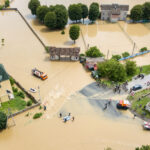
One of the most dangerous mistakes during flash flooding is attempting to cross a flooded roadway.
Water can hide damaged pavement, washouts and debris. Even shallow moving water can affect vehicle control, while deeper water can sweep vehicles downstream.
Turn around, don’t drown.
Radar Watch HQ Final Thoughts
The combination of Flash Flood Warnings, a Severe Thunderstorm Warning and a broad Flood Watch makes this an important weather situation across southern Utah today.
The greatest concern is not simply rainfall in populated areas. Slot canyons, dry washes, recreation areas and normally dry drainage channels can become dangerous very quickly.
If you are anywhere near Kane County, the San Rafael Swell, Goblin Valley, Little Wildhorse Canyon, Zion National Park, Capitol Reef or other canyon country, take flood warnings seriously and be prepared to change plans quickly.
Stay weather-aware, avoid flooded areas and never enter a slot canyon when thunderstorms threaten upstream.
Stay alert. Stay informed. Stay safe with Radar Watch HQ.
Affiliate Disclosure: As an Amazon Associate, Radar Watch HQ earns from qualifying purchases.
Radar Watch HQ Top 5 Essential Emergency Preparedness Picks
Whether you’re preparing for severe thunderstorms, flash flooding, hurricanes, wildfires, or extended power outages, these five emergency essentials can help keep your household safer when severe weather strikes.
A portable power station provides reliable backup electricity during outages, allowing you to power phones, medical devices, laptops, lights, small appliances, and communication equipment without fuel.
Best for:
- Extended power outages
- Severe thunderstorms
- Hurricanes
- Winter storms
- Wildfires
2. Flood Protection Barriers & Sandless Flood Bags
Flood barriers help divert or absorb water before it enters garages, doorways, and low-lying areas. They deploy quickly and can help reduce property damage during flash flooding.
Best for:
- Flash Flood Warnings
- Heavy rainfall
- River flooding
- Coastal flooding
3. Rechargeable LED Flashlights
Bright, dependable flashlights are essential when the power goes out. Rechargeable or solar-powered models provide long-lasting illumination for navigating safely indoors and outdoors.
Best for:
- Overnight power outages
- Emergency evacuations
- Storm damage inspections
Keep phones, tablets, weather radios, and USB-powered devices charged when the electrical grid is unavailable. A solar power bank offers an additional charging option during prolonged emergencies.
Best for:
- Communication during outages
- Emergency weather alerts
- Travel and evacuation
A NOAA Weather Radio delivers official weather alerts directly from the National Weather Service, even when cellular networks or internet service are unavailable. It remains one of the most dependable ways to receive life-saving warnings.
Best for:
- Tornado warnings
- Severe thunderstorm warnings
- Flash flood warnings
- Hurricane alerts
- Winter storm emergencies
Why Radar Watch HQ Recommends These Essentials
At Radar Watch HQ, preparedness is just as important as staying informed. These five emergency essentials can help you stay connected, protect your property, and safely navigate severe weather events. Having supplies ready before storms arrive allows you to respond quickly when warnings are issued and conditions begin to deteriorate.