



















Dangerous Rip Currents Threaten Florida Beaches
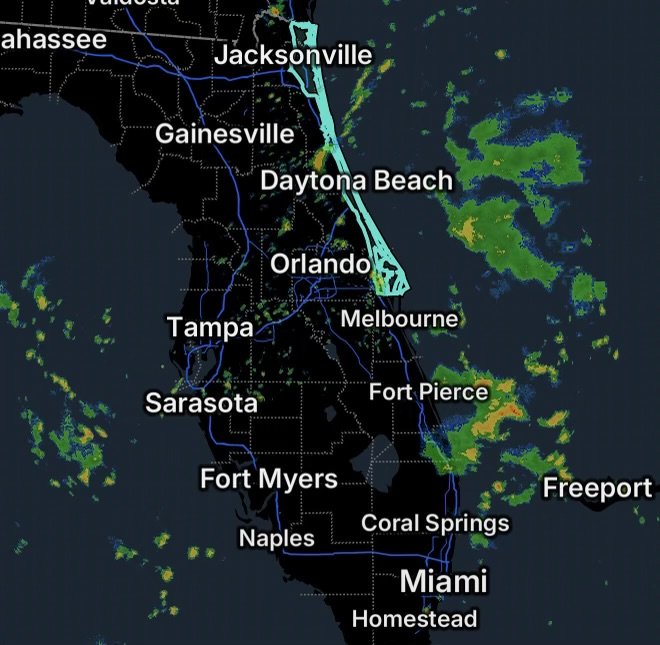
Beachgoers across parts of Florida should use extra caution in the surf today as Rip Current Statements highlight dangerous water conditions along the Volusia and Northern Brevard beaches and Northeast Florida beaches.
The National Weather Service is reporting a High Risk of dangerous rip currents at the Volusia and Northern Brevard beaches. Meanwhile, a separate Rip Current Statement places the Northeast Florida beaches under a High Rip Current Risk through Thursday evening.
Even experienced swimmers can be swept away by a strong rip current. Because conditions can change quickly, checking local beach conditions and talking with lifeguards before entering the water is especially important.
Volusia and Northern Brevard Beaches Face High Risk
The National Weather Service Melbourne office reports a High Risk of dangerous rip currents today along the Volusia and Northern Brevard beaches.
The risk is part of an active coastal pattern across east-central Florida. Onshore winds and ocean conditions can contribute to stronger currents capable of carrying swimmers away from shore.
The National Weather Service also notes that a Moderate Risk continues farther south along the Treasure Coast and Southern Brevard beaches.
Areas to Watch
Beachgoers should exercise particular caution along:
- Volusia beaches
- Northern Brevard beaches
- Northeast Florida beaches
- Other nearby Atlantic beaches where lifeguards are reporting hazardous surf conditions
Northeast Florida Beaches Under High Rip Current Risk
A separate Rip Current Statement from the National Weather Service Jacksonville office places the Northeast Florida beaches under a High Rip Current Risk through Thursday evening.
The affected coastal areas include Coastal Nassau, Coastal Duval, Coastal Flagler, Northeast Coastal St. Johns, and Southeast Coastal St. Johns.
Rip currents can pull swimmers away from the shoreline into deeper water, and the National Weather Service warns that even strong swimmers can be overcome by these currents.
Why Rip Currents Are Dangerous
A rip current is a narrow, fast-moving channel of water flowing away from the beach.
These currents commonly develop where waves break over sandbars or around structures such as piers and jetties. They can vary in strength and may become dangerous even when the overall weather appears pleasant.
That is why blue skies and warm temperatures do not necessarily mean the ocean is safe.
What to Do If You Get Caught in a Rip Current
If you are pulled into a rip current, the most important thing is not to panic.
Follow These Steps
- Stay calm and float or tread water.
- Do not swim directly against the current.
- Swim parallel to the shoreline to move out of the current.
- Once free of the current, swim toward shore at an angle.
- If you cannot escape, face the beach and wave and call for help.
- If possible, stay near a lifeguard-protected beach.
The National Weather Service specifically recommends relaxing, floating and avoiding attempts to fight the current directly.
Never Attempt a Water Rescue Without Flotation
If another swimmer is caught in a rip current, do not automatically jump into the water after them. A person attempting an unprepared rescue can quickly become another victim.
Instead, alert a lifeguard or call 911, and if possible throw the person a flotation device while professional help responds.
Beachgoers Should Check Conditions Before Swimming
Before entering the Atlantic, check the latest beach forecast, look for warning flags and speak with lifeguards.
The National Weather Service recommends swimming at beaches with lifeguards and emphasizes that rip currents can occur even on calm, sunny days.
If lifeguards advise against entering the water, take that warning seriously.
Radar Watch HQ Final Thoughts
Today’s Rip Current Statement is an important reminder that dangerous beach conditions are not always obvious from the shoreline. With a High Risk of rip currents affecting the Volusia and Northern Brevard beaches and Northeast Florida beaches, swimmers should prioritize safety over entering hazardous surf.
When in doubt, stay out of the water. Check local beach conditions, follow posted warning flags, and swim near lifeguards.
Stay weather-aware, stay water-aware, and stay safe.