














Rip Current Statement Issued for New York Beaches
Beachgoers across parts of New York should use extra caution today as a Rip Current Statement highlights an elevated risk of dangerous currents along portions of the New York coastline.
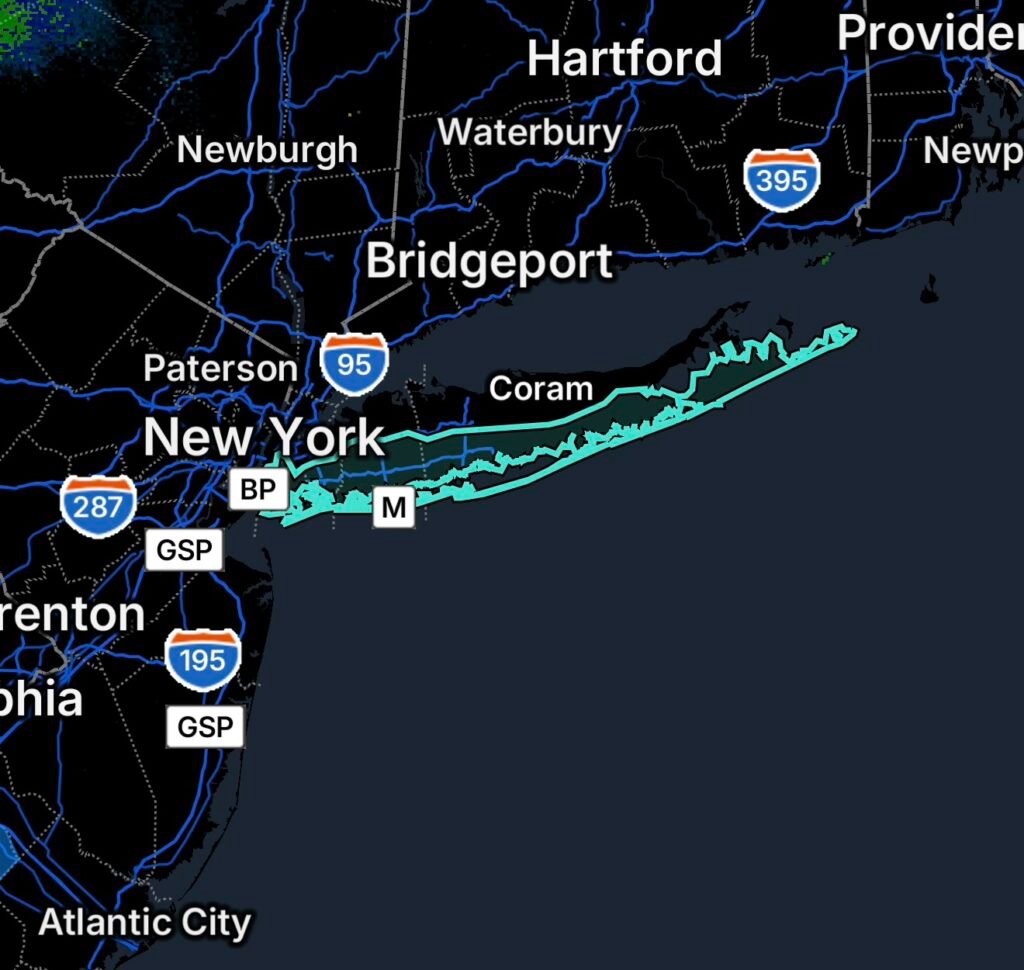
The affected areas include Kings (Brooklyn), Southwest Suffolk, Southeast Suffolk, Southern Queens, and Southern Nassau counties. The National Weather Service reports moderate rip current risk for these beach zones, with surf generally around 2 to 3 feet.
While the waves may not appear unusually large, rip currents can pull swimmers away from shore quickly and become dangerous even for experienced swimmers.
Areas Affected
The Rip Current Statement covers several popular beach areas:
- Kings (Brooklyn) — including Coney Island Beach and Manhattan Beach
- Southwest Suffolk — including Gilgo State Park and Robert Moses State Park
- Southeast Suffolk — including Smith Point, Cupsogue Beach, Hither Hills State Park and Ditch Plains
- Southern Queens — including Jacob Riis Park and Rockaway Beach
- Southern Nassau — including Atlantic Beach, Long Beach, Lido Beach and Jones Beach
These areas could see dangerous currents developing within the surf zone, particularly around beaches, inlets, jetties, groins and other structures.
What a Moderate Rip Current Risk Means
A moderate rip current risk means life-threatening rip currents are possible in the surf zone.
That does not mean every swimmer will encounter a rip current. However, conditions are favorable enough that beachgoers should take precautions before entering the water.
The National Weather Service recommends checking with local beach patrols, swimming within sight of a lifeguard and avoiding swimming alone or at night.
Why Rip Currents Are Dangerous
Rip currents are narrow channels of water that flow away from the shoreline. They can form when waves push water toward the beach and that water needs a pathway back toward deeper water.
The current can move faster than many people can swim.
As a result, trying to swim directly against the current can quickly lead to exhaustion.
If You Get Caught in a Rip Current
Stay calm and do not fight the current by swimming directly toward shore.
Instead:
- Stay calm and float if necessary.
- Do not swim against the current.
- Swim parallel to the shoreline to move out of the current.
- Once free of the current, swim toward shore.
- If you cannot escape, face the shore, wave your arms and call for help.
If you see someone else caught in a rip current, alert a lifeguard rather than entering dangerous surf yourself.
Beach Conditions Today
Current National Weather Service surf forecasts show 2-to-3-foot surf across several affected beach zones. Eastern winds are also present in parts of the region, including winds around 15 to 20 mph across portions of Suffolk County.
Because rip-current conditions can change throughout the day, beachgoers should check the latest local beach conditions before entering the water.
Radar Watch HQ Safety Reminder
A calm-looking beach does not necessarily mean calm water conditions.
If lifeguards advise against swimming, stay out of the water. Children and inexperienced swimmers should receive close supervision, and flotation devices should be used appropriately.
Most importantly, never underestimate a rip current simply because the surf looks manageable.
Radar Watch HQ Final Thoughts
Today’s Rip Current Statement serves as an important reminder that dangerous beach conditions are not always obvious. Moderate rip current risk is present across Kings (Brooklyn), Southwest Suffolk, Southeast Suffolk, Southern Queens, and Southern Nassau counties.
If you’re heading to the beach, choose a lifeguarded area, check conditions before swimming and know how to escape a rip current. A few simple precautions can make the difference between a safe beach day and a life-threatening emergency.
Stay weather-aware. Stay water-aware. Stay safe.