
Marine conditions and weather concerns stretch from coastal Georgia and South Carolina into northeast Florida waters
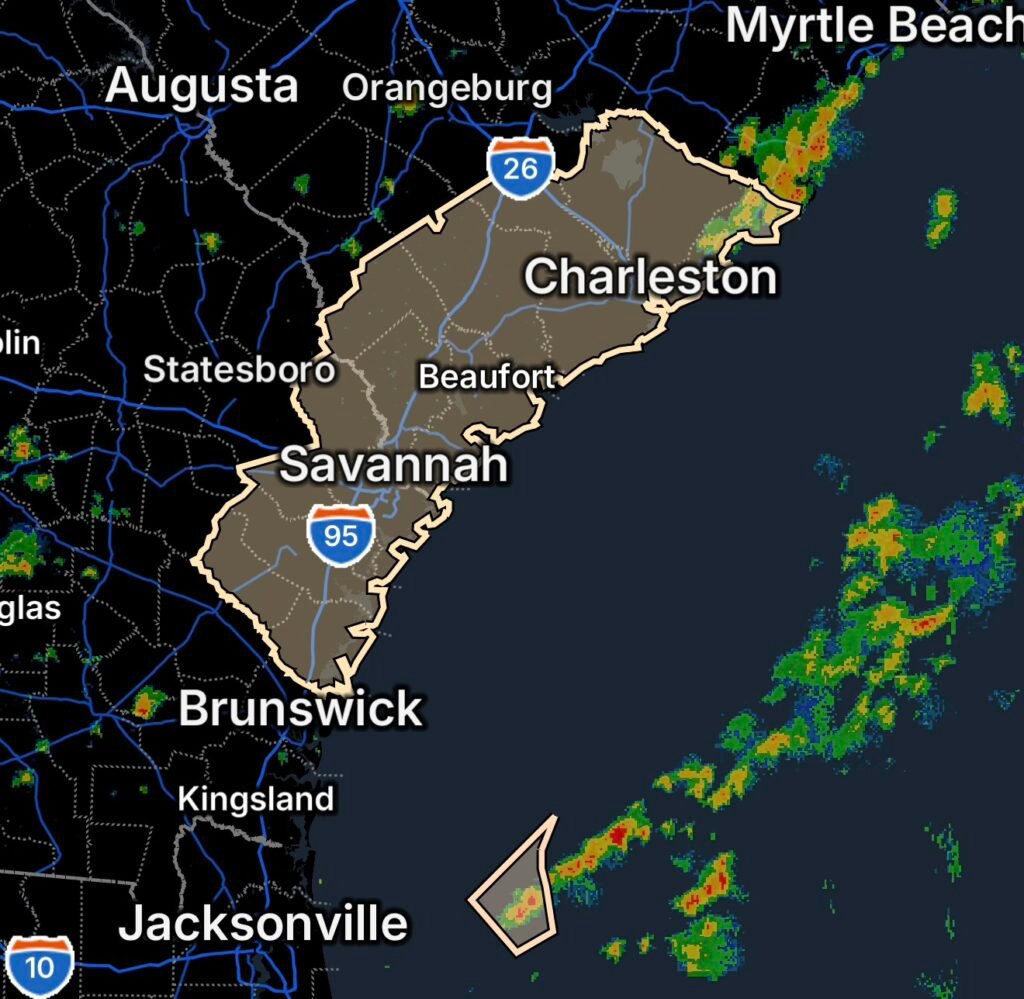
Marine and weather statements are highlighting potentially hazardous conditions across portions of the coastal Southeast, with concerns affecting offshore waters from Georgia into northeast Florida and communities across coastal and inland areas of Georgia and South Carolina.
The marine statement covers offshore waters from Altamaha Sound, Georgia, to Fernandina Beach, Florida, from 20 to 60 nautical miles offshore, as well as waters from Fernandina Beach to St. Augustine, Florida, from 20 to 60 nautical miles offshore. Mariners operating in these areas should remain alert for changing conditions and monitor updated forecasts before and during any trip.
Offshore Waters: Georgia to Northeast Florida
The affected offshore zones extend well beyond the immediate coastline, placing recreational boaters, commercial vessels and offshore fishing operations within the area of concern.
Conditions can change quickly over open water, particularly when thunderstorms or other weather disturbances develop. Visibility can also deteriorate rapidly in heavier precipitation, while stronger winds and higher waves can make navigation more difficult.
Mariners should:
- Check the latest marine forecast before departing.
- Monitor NOAA Weather Radio or another reliable weather source while underway.
- Keep communication and navigation equipment operational.
- Have life jackets readily available for everyone aboard.
- Be prepared to return to port if conditions deteriorate.
- Avoid remaining offshore when thunderstorms or dangerous conditions approach.
Boaters should not rely on clear skies at the departure point as an indication that conditions will remain safe farther offshore.
Special Weather Statement Covers a Large Area
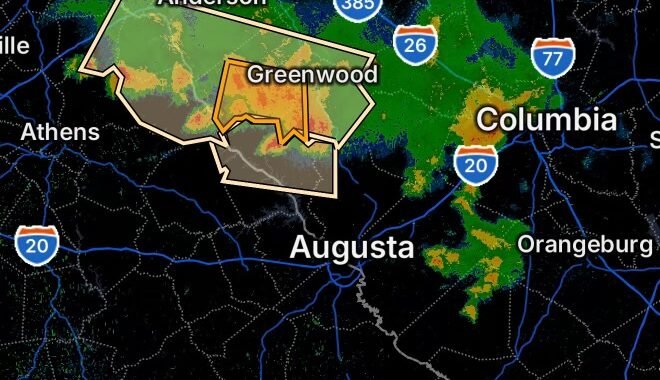
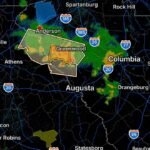
A separate Special Weather Statement encompasses communities across coastal and inland Georgia and South Carolina, including:
Georgia: Coastal McIntosh, Coastal Bryan, Inland McIntosh, Coastal Liberty, Effingham, Inland Liberty, Coastal Chatham, Long, Inland Bryan and Inland Chatham Counties.
South Carolina: Beaufort, Inland Jasper, Tidal Berkeley, Coastal Colleton, Charleston, Inland Berkeley, Dorchester, Hampton, Inland Colleton and Coastal Jasper Counties.
The broad geographic coverage means residents, travelers and outdoor interests should pay attention to local weather developments rather than assuming conditions will be identical across the entire region.
Coastal Communities Should Stay Weather-Aware
From the Georgia coast through the South Carolina Lowcountry, weather can vary considerably between inland communities, tidal areas and beaches. Residents and visitors should keep phones capable of receiving emergency alerts and monitor updates from the National Weather Service and local officials.
Those spending time near beaches, waterways, docks or marinas should be particularly attentive to rapidly changing conditions. Water activities can become dangerous when winds, waves, lightning or heavy rainfall develop.
What Mariners and Residents Should Watch For
The most important step is staying informed as conditions evolve. Weather statements can be updated, expanded or replaced as forecasters receive new information.
For mariners, conditions offshore can become hazardous faster than they can on land. Anyone already on the water should continuously monitor weather information and have a plan for reaching a safe harbor.
For residents across Georgia and South Carolina, outdoor plans should remain flexible. If thunderstorms or other hazardous weather develop nearby, move indoors promptly and avoid exposed locations.
Stay Weather-Aware Across the Coastal Southeast
With marine waters from coastal Georgia into northeast Florida included in the statement and numerous counties across Georgia and South Carolina covered by the Special Weather Statement, this is a good time to remain weather-aware.
Monitor the latest forecasts and statements throughout the day, especially if traveling, boating, fishing or participating in outdoor activities. Conditions can change quickly, and having extra time to react can make a significant difference.
Stay informed, stay prepared, and make weather safety a priority whenever conditions begin to deteriorate.
Radar Watch HQ Top 5 Marine Essentials
Affiliate Disclosure: As an Amazon Associate, Radar Watch HQ earns from qualifying purchases.
🌊 1. U.S. Coast Guard-Approved Life Jacket
A properly fitted life jacket is the most important piece of safety equipment for every passenger onboard.
Best for: Recreational boaters, anglers, kayakers, and paddleboarders.
⚓ 2. Marine Emergency Radio (NOAA Weather Radio)
Receive real-time NOAA Weather Radio alerts, marine forecasts, and emergency warnings—even when cell service is unavailable.
Best for: Offshore and coastal boating.
🔦 3. Rechargeable Waterproof LED Flashlight
A bright waterproof flashlight is essential for emergencies, low visibility, nighttime navigation, and signaling for help.
Best for: Every boat emergency kit.
🧰 4. Marine First Aid Kit
A waterproof first aid kit stocked with bandages, antiseptic, medications, and emergency supplies for injuries on the water.
Best for: Every vessel, regardless of size.
🧭 5. Waterproof Dry Bag
Protect phones, wallets, charts, keys, electronics, and emergency supplies from water damage during storms or rough seas.
Best for: Boaters, kayakers, paddleboarders, and beachgoers.
🛒 Radar Watch HQ Marine Safety Picks
Prepare before you head out on the water. Our recommended marine safety essentials can help keep you and your crew safe during changing weather conditions.