





Extreme Heat Puts Desert Communities Across Arizona and California at Risk
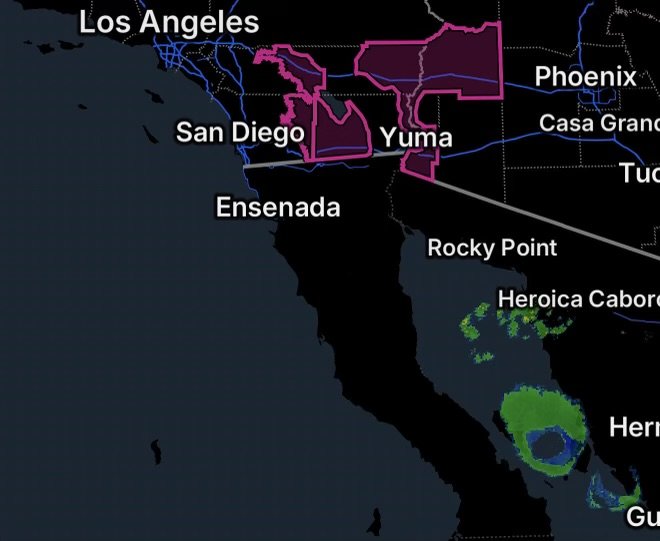
An Extreme Heat Warning is in effect across portions of Arizona and Southern California as dangerous heat continues across several desert regions. The affected areas include communities in western Arizona and multiple desert valleys across Southern California.
Extreme heat can quickly become dangerous, particularly for people spending extended periods outdoors, older adults, young children, people with certain medical conditions, outdoor workers, and anyone without reliable access to air conditioning. The National Weather Service uses an Extreme Heat Warning when dangerously hot conditions are expected to create a significant risk of heat-related illness. (Wikipedia)
Arizona: Central La Paz County and Parker Valley
In Arizona, the warning covers Central La Paz County and the Parker Valley, where intense desert heat can become hazardous during the afternoon and remain dangerous into the evening.
The combination of very high temperatures and prolonged exposure can place significant stress on the body. Outdoor activities should be limited during the hottest part of the day, and residents should prioritize air-conditioned locations whenever possible.
Anyone who must work or spend time outside should take frequent breaks in shaded or cooled areas and drink plenty of water.
California: Chuckwalla and Palo Verde Valleys
Across eastern Southern California, the warning includes the Chuckwalla Valley and Palo Verde Valley.
These desert communities can experience exceptionally hot conditions, with limited relief during the afternoon. People traveling through the region should plan ahead for the heat, carry sufficient water, and avoid unnecessary outdoor activity during peak heating.
Vehicle travelers should also never leave children, pets, or vulnerable individuals inside a parked vehicle. Interior temperatures can rise to dangerous levels rapidly.
Imperial Valley and Portions of Imperial County
An Extreme Heat Warning also covers portions of Imperial County, including the Imperial Valley.
The Imperial Valley is particularly vulnerable to prolonged extreme heat because of its desert environment and very hot summer climate. Residents should take the warning seriously even if they are accustomed to hot weather.
Heat exhaustion can develop when the body loses too much water and salt through sweating. Symptoms can include heavy sweating, weakness, dizziness, headache, nausea, and muscle cramps.
Heat stroke is much more serious and is an emergency. Warning signs can include confusion, loss of consciousness, seizures, or an extremely high body temperature. Call 911 if heat stroke is suspected.
Coachella Valley and San Diego County Deserts
The warning also includes the Coachella Valley and the deserts of San Diego County.
Desert heat can remain dangerous well beyond the peak afternoon hours, making nighttime cooling and access to air conditioning especially important. Residents should check on family members, neighbors, and others who may have difficulty staying cool.
The Coachella Valley’s desert geography contributes to its tendency for extreme summer heat, with portions of the valley floor located below sea level. (Wikipedia)
San Gorgonio Pass Near Banning
The San Gorgonio Pass near Banning is also included in the Extreme Heat Warning.
While the pass sits between mountain ranges, temperatures can still become dangerously high. Travelers crossing the area should be prepared for extreme heat and avoid prolonged outdoor exposure.
How to Stay Safe During Extreme Heat
During an Extreme Heat Warning:
- Stay in an air-conditioned building whenever possible.
- Drink plenty of water throughout the day.
- Avoid strenuous outdoor activities during the hottest hours.
- Wear lightweight, loose-fitting clothing.
- Take frequent breaks in shaded or cooled locations if working outside.
- Check on older adults, children, neighbors, and others who may be especially vulnerable.
- Never leave children or pets unattended in a vehicle.
- Know the symptoms of heat exhaustion and heat stroke.
- Follow updates from the National Weather Service and local officials.
Outdoor workers should be especially cautious. Frequent cooling breaks and access to water can reduce the risk of heat-related illness.
Extreme Heat Requires Preparation
The ongoing Extreme Heat Warning highlights the serious hazards that can accompany desert temperatures across Arizona and Southern California. From the Colorado River communities of western Arizona to the Imperial, Coachella, Chuckwalla, and Palo Verde valleys, residents and travelers should limit exposure and make cooling a priority.
Stay hydrated, stay cool, check on those around you, and take extreme heat warnings seriously.

Radar Watch HQ Top 5 Essentials for Extreme Heat
Affiliate Disclosure: As an Amazon Associate, Radar Watch HQ earns from qualifying purchases.
When an Extreme Heat Watch or Heat Advisory is in effect, having the right gear can help you stay safer and more comfortable.
A compact, battery-powered fan provides cooling while traveling, working outdoors, waiting at events, or during power outages.
2. Insulated Water Bottle or Tumbler
A high-quality insulated bottle or cup keeps water cold for hours, making it easier to stay hydrated throughout the day.
A handheld misting fan or spray bottle delivers instant cooling by combining fine water mist with airflow.
Portable air conditioners, evaporative coolers (where appropriate), or high-performance tower fans can help reduce indoor temperatures during dangerous heat.
5. Electrolyte Hydration Packets or Drinks
Electrolyte supplements help replace minerals lost through heavy sweating and support hydration during prolonged heat exposure.