
Gulf Waters Face Thunderstorm Hazards
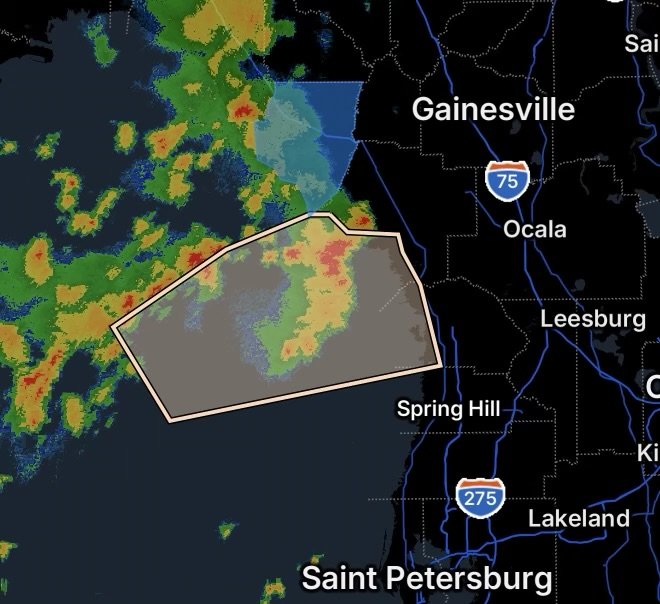
A Marine Weather Statement is highlighting portions of the Gulf waters from Tarpon Springs to the Suwannee River, including waters extending out to 20 nautical miles and offshore waters from 20 to 60 nautical miles.
The National Weather Service marine forecast calls for scattered showers and thunderstorms across the area. While winds and seas may remain relatively light away from storms, conditions can change rapidly when thunderstorms move across the Gulf.
For boaters, the primary concern is that conditions near thunderstorms can become considerably more hazardous than the surrounding forecast suggests. Winds and seas can increase quickly near thunderstorms, with lightning and sudden gusts creating dangerous conditions for anyone on the water.
Coastal Waters From Tarpon Springs to Suwannee River
The nearshore waters extending 20 nautical miles offshore are forecast to have relatively light winds and seas, but scattered thunderstorms remain possible.
The current NWS forecast calls for winds around 5 knots, with seas generally 1 foot or less during the day. However, thunderstorms can produce much stronger and more unpredictable conditions than the background marine forecast.
Offshore Waters 20 to 60 Nautical Miles
Farther offshore, from 20 to 60 nautical miles, scattered thunderstorms are also expected. The broader marine forecast indicates generally light winds and low seas initially, but conditions can deteriorate rapidly around thunderstorms.
Anyone planning an offshore trip should monitor updated marine forecasts and radar before departing and continue checking conditions while underway.
Lightning and Sudden Wind Are Key Concerns
Thunderstorms over the Gulf can develop or intensify quickly. Lightning is especially dangerous for boaters because there is little protection available on open water.
Boaters should:
- Check the latest marine forecast before leaving shore.
- Monitor weather radar and marine alerts.
- Have a reliable way to receive weather updates while underway.
- Move toward safe harbor when thunderstorms approach.
- Avoid remaining on open water beneath developing thunderstorms.
- Secure loose equipment before storms arrive.
- Never assume calm conditions will continue simply because winds are currently light.
The NWS also notes that winds and seas can become higher in and near thunderstorms, making storm avoidance particularly important.
Dixie County Power Outage Concerns
Dixie County is also included in today’s weather concerns because of reported power outage impacts. Residents experiencing an outage should stay away from downed power lines and report outages through their local utility provider.
If severe weather or thunderstorms are affecting the area, residents should be prepared for additional interruptions, particularly if strong wind, lightning or falling trees affect electrical infrastructure.
During an outage:
- Keep refrigerators and freezers closed as much as possible.
- Use flashlights instead of candles.
- Unplug sensitive electronics if electrical fluctuations are occurring.
- Never use a generator inside a home, garage or other enclosed space.
- Keep generators well away from doors, windows and vents.
- Treat every downed power line as energized.
- Check on neighbors who may need assistance, when it is safe to do so.
Weather Awareness Remains Important
Today’s marine conditions may appear relatively calm outside of thunderstorms, but that does not mean conditions are safe everywhere. Thunderstorms can produce abrupt changes in wind, lightning and wave conditions with little warning.
For Gulf boaters from Tarpon Springs to the Suwannee River, staying weather-aware and having an exit plan before storms approach can make the difference between a routine trip and a dangerous situation.
For Dixie County residents, power outage preparedness should remain part of the weather plan while storms continue to move through the region.
Stay weather-aware, monitor official updates, and put safety first whenever thunderstorms approach the Gulf Coast or inland communities.
Radar Watch HQ Top 5 Marine Essentials
Affiliate Disclosure: As an Amazon Associate, Radar Watch HQ earns from qualifying purchases.
🌊 1. U.S. Coast Guard-Approved Life Jacket
A properly fitted life jacket is the most important piece of safety equipment for every passenger onboard.
Best for: Recreational boaters, anglers, kayakers, and paddleboarders.
⚓ 2. Marine Emergency Radio (NOAA Weather Radio)
Receive real-time NOAA Weather Radio alerts, marine forecasts, and emergency warnings—even when cell service is unavailable.
Best for: Offshore and coastal boating.
🔦 3. Rechargeable Waterproof LED Flashlight
A bright waterproof flashlight is essential for emergencies, low visibility, nighttime navigation, and signaling for help.
Best for: Every boat emergency kit.
🧰 4. Marine First Aid Kit
A waterproof first aid kit stocked with bandages, antiseptic, medications, and emergency supplies for injuries on the water.
Best for: Every vessel, regardless of size.
🧭 5. Waterproof Dry Bag
Protect phones, wallets, charts, keys, electronics, and emergency supplies from water damage during storms or rough seas.
Best for: Boaters, kayakers, paddleboarders, and beachgoers.
🛒 Radar Watch HQ Marine Safety Picks
Prepare before you head out on the water. Our recommended marine safety essentials can help keep you and your crew safe during changing weather conditions.