


High Rip Current Risk Across the Gulf Coast
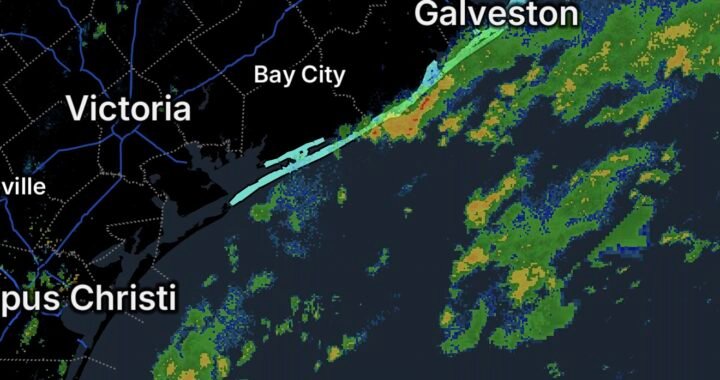
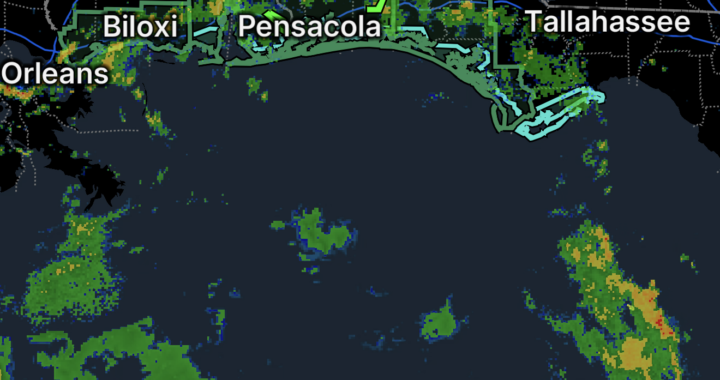
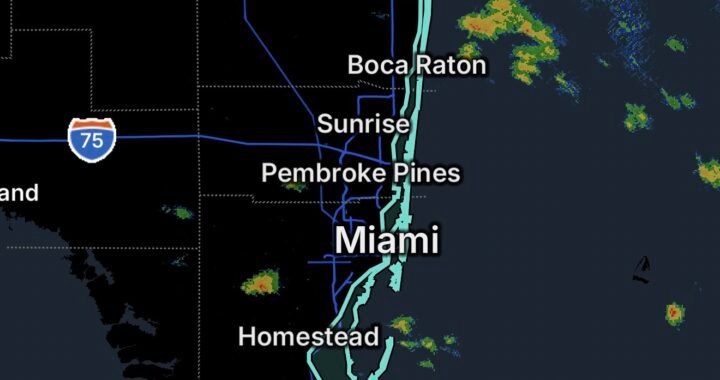
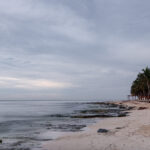
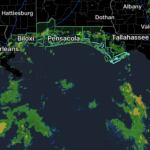
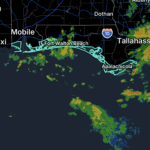
A High Rip Current Risk is in effect across portions of the Alabama and Florida Gulf Coast on October 2, 2026, with dangerous rip currents capable of quickly pulling swimmers away from shore.
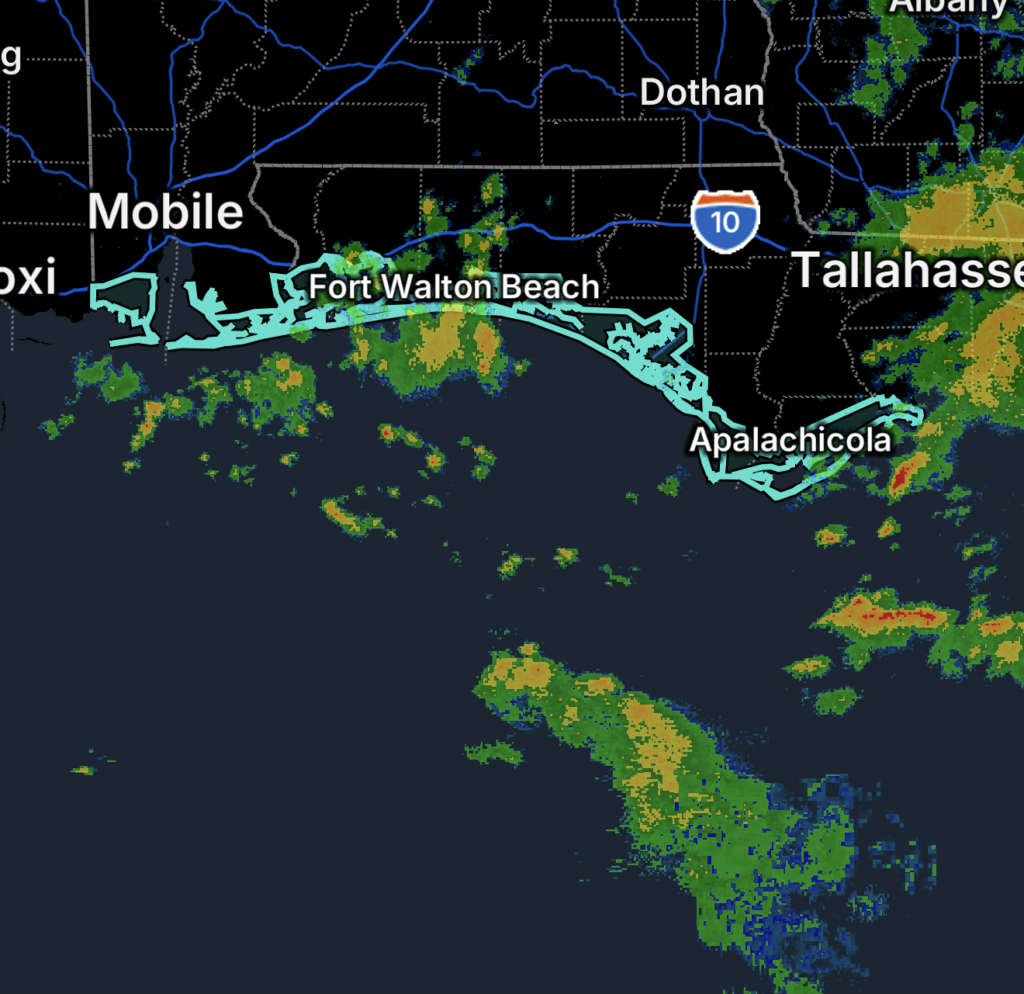
The National Weather Service has issued rip-current statements covering beaches in Franklin and Gulf counties, Walton and Bay counties, and portions of coastal Alabama and northwest Florida. (National Weather Service)
Rip currents can affect even experienced swimmers and may be difficult to identify from the shoreline.
Areas Affected
Florida — Eastern Panhandle
The National Weather Service Tallahassee office reports a High Rip Current Risk through late Saturday night for:
- Franklin County beaches
- South-facing beaches of Gulf County
- State Park beaches of Gulf County
- Walton County beaches
- Bay County beaches
The warning notes that rip currents can sweep even strong swimmers away from shore and into deeper water. (National Weather Service)
Florida — Western Panhandle
A separate High Rip Current Risk covers:
- Escambia Coastal County
- Santa Rosa Coastal County
- Okaloosa Coastal County
The risk is currently expected to continue through Monday evening. The affected coastline includes popular beaches such as Pensacola Beach, Navarre Beach, Fort Walton Beach and Destin. (National Weather Service)
Alabama
The latest National Weather Service update includes Mobile Coastal County and Baldwin Coastal County in Alabama. The High Rip Current Risk is expected to continue through Monday evening. (National Weather Service)
Why Rip Currents Are Dangerous
Rip currents are powerful channels of water flowing away from the shoreline. They can develop in the surf zone and carry swimmers away from shallow water surprisingly quickly.
A person caught in a rip current may panic and try to swim directly back toward shore. However, fighting the current can lead to exhaustion.
The National Weather Service recommends remaining calm, floating and avoiding swimming directly against the current. (National Weather Service)
Beach Conditions Along Northwest Florida
The National Weather Service surf forecast indicates 3- to 4-foot surf along portions of the Escambia, Santa Rosa and Okaloosa County coastline, with southeast winds around 15 mph and a High Rip Current Risk. (National Weather Service)
Beach officials are also reporting red flags across several beaches, including Walton, Bay, Franklin and Gulf County beaches. (National Weather Service)
Beach flag systems can vary by location, so visitors should always check the flags and follow instructions from lifeguards and local beach officials.
What to Do If Caught in a Rip Current
If you are pulled away from shore:
- Stay calm.
- Do not swim directly against the current.
- Float or tread water to conserve energy.
- If able, swim parallel to the shoreline until you are out of the current.
- Once free of the current, swim toward shore at an angle.
- If you cannot escape, face the shore, wave and call for help.
Never attempt to rescue another swimmer by entering a dangerous current without proper training. Instead, alert a lifeguard or call for emergency assistance.
Beach Safety Essentials
Before entering the Gulf:
- 🏖️ Swim near a lifeguard.
- 🚩 Check the beach flag conditions.
- 🌊 Never underestimate a rip current.
- 👀 Keep children within close reach.
- 🚫 Avoid swimming at unguarded beaches when conditions are dangerous.
- 📱 Keep a phone available for emergencies.
- 🆘 If caught in a rip current, float and signal for help if necessary.
The National Weather Service specifically advises beachgoers to swim near a lifeguard and to remain calm and float if caught in a rip current. (National Weather Service)
Timing of the Rip Current Threat
The exact expiration time varies by location.
Franklin and Gulf County beaches: High Risk through late Saturday night.
Walton and Bay County beaches: High Risk through late Saturday night.
Mobile and Baldwin coastal counties, Alabama: High Risk through Monday evening.
Escambia, Santa Rosa and Okaloosa coastal counties, Florida: High Risk through Monday evening. (National Weather Service)
Conditions can change before the statement expires, so beachgoers should check the latest local forecast and beach flag information before entering the water.
Essentials
📅 Date: October 2, 2026
🌊 Hazard: High Rip Current Risk
📍 Alabama: Mobile Coastal and Baldwin Coastal Counties
📍 Florida: Franklin, Gulf, Walton, Bay, Escambia, Santa Rosa and Okaloosa coastal areas
⚠️ Main danger: Dangerous rip currents capable of pulling swimmers into deeper water
🏖️ Safety: Swim near a lifeguard and follow beach flag instructions
⏰ Duration: Varies by location, extending from late Saturday night into Monday evening
Bottom Line
A High Rip Current Risk is affecting beaches along the Alabama and Florida Gulf Coast on October 2, 2026. Dangerous currents can quickly carry swimmers away from shore, even in conditions that may appear manageable from the beach. (National Weather Service)
If you are visiting the Gulf Coast this weekend, check local beach flags, stay near a lifeguard and avoid entering the water when conditions are unsafe.