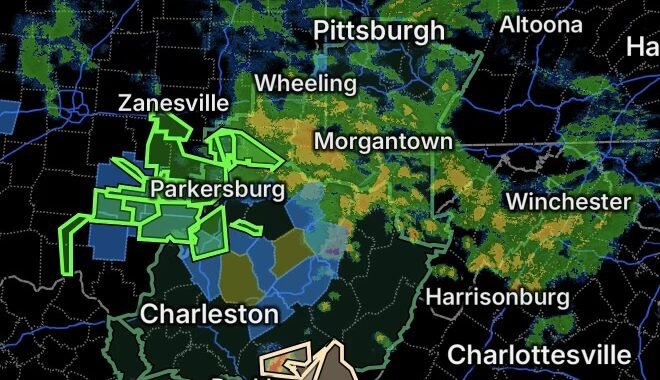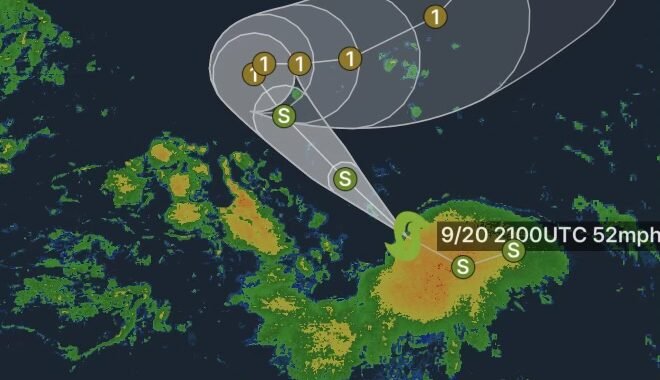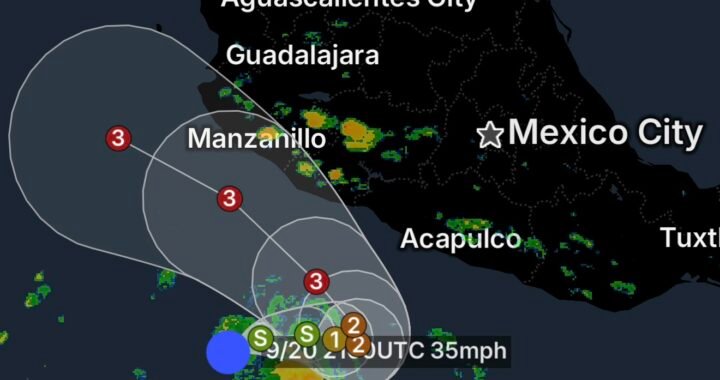






Severe weather can develop quickly, bringing damaging winds, large hail, tornadoes, flash flooding, lightning, and power outages. Having a preparedness plan can help keep you and your family safe when storms threaten.
Before the Storm
Stay Weather Aware
- Monitor forecasts from the National Weather Service.
- Enable Wireless Emergency Alerts on your phone.
- Have multiple ways to receive warnings, especially overnight.
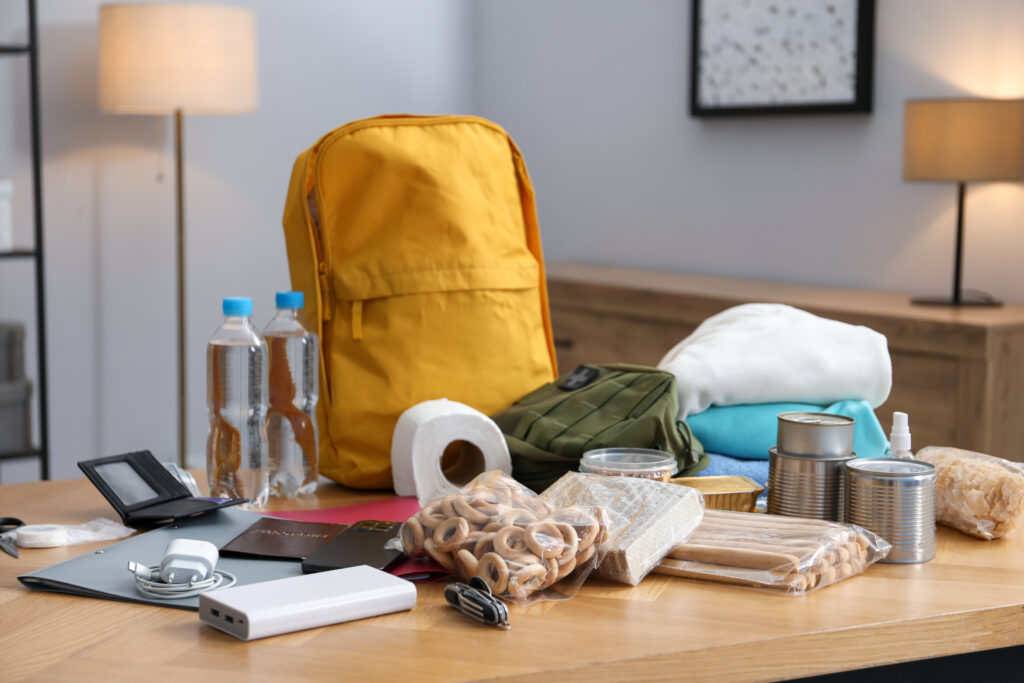
Build an Emergency Kit
Include:
- Flashlights and extra batteries
- Portable phone chargers
- First aid supplies
- Bottled water (at least one gallon per person per day)
- Non-perishable food
- Important medications
- Battery-powered weather radio
- Pet supplies if needed
Prepare Your Home
- Secure outdoor furniture and decorations.
- Trim dead tree branches.
- Clean gutters and storm drains.
- Know where to shut off utilities if necessary.
- Test backup generators and keep them outdoors.
During Severe Thunderstorms
Lightning Safety
- Go indoors immediately when thunder is heard.
- Avoid using corded electronics.
- Stay away from windows and doors.
- Do not shelter under trees.
High Wind Safety
- Move away from windows.
- Take shelter in an interior room.
- Avoid driving during intense storms if possible.
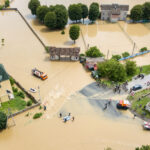
Flash Flood Safety
Remember: Turn Around, Don’t Drown
- Never drive through flooded roadways.
- Just 12 inches of moving water can carry away many vehicles.
- Move to higher ground immediately if flooding develops.
If a Flash Flood Warning Is Issued
- Leave flood-prone areas quickly.
- Avoid walking through floodwaters.
- Stay informed through local emergency alerts.
Tornado Safety
Best Places to Shelter
- Basement or storm shelter
- Small interior room on the lowest floor
- Hallway, bathroom, or closet away from windows
Avoid
- Mobile homes during tornado warnings
- Large open rooms such as gymnasiums
- Vehicles if a sturdy shelter is available nearby
Power Outage Safety
- Keep phones charged before storms arrive.
- Use flashlights instead of candles.
- Keep refrigerator and freezer doors closed.
- Operate generators outdoors and away from windows to prevent carbon monoxide poisoning.
After the Storm
Check for Hazards
- Downed power lines
- Flooded roads
- Structural damage
- Gas leaks
Stay Informed
Continue monitoring local forecasts and emergency management updates, as additional storms or flooding may follow.
Quick Storm Safety Checklist
✅ Emergency kit stocked
✅ Weather alerts enabled
✅ Phones fully charged
✅ Safe shelter identified
✅ Family communication plan established
✅ Outdoor items secured
✅ Vehicles fueled and ready
Preparedness is the best defense against severe weather. Taking a few minutes today to prepare can make a significant difference when dangerous storms threaten your area.